
New Zealand’s commercial property market is set to face renewed pressure as a global oil price shock ripples through the economy, according to the latest monthly research report from the Colliers Research & Economics team.
The sharp rise in oil prices following the escalation of conflict in Iran and the closure of the Strait of Hormuz has triggered a global “risk-off” response in financial markets.
While the geopolitical backdrop is negative, the research suggests the impact on New Zealand’s commercial property markets will be uneven – and partially softened by familiar economic buffers.
Hamish Fitchett, National Director of Research & Economics at Colliers, says the exchange rate is already playing a critical role in absorbing some of the shock.
Start your property search
“The New Zealand dollar has weakened as global capital has flowed towards safe-haven economies, and that acts as an automatic stabiliser for us,” Fitchett says.
“A lower exchange rate helps cushion exporters by making New Zealand goods and services more competitive offshore, which partially offsets weaker global demand.”
However, the same mechanism cuts the other way for businesses reliant on imported inputs, with higher fuel and transportation costs adding to inflationary pressures across parts of the economy.
Fitchett says New Zealand’s seasonal trade patterns are helping to limit the immediate fallout, particularly compared with Northern Hemisphere economies.
“Our peak import and retail periods don’t coincide with the current disruption, which takes some pressure out of the system in the short term.
“That gives the economy, and the property market, a degree of breathing space, even though costs are rising.”
The report examines fuel usage and construction spend by industries to identify potential areas where high oil prices will spill over into the commercial property sector.
Notably, construction and transport and logistics are the most exposed sectors to both oil and commercial property spending.
By contrast, service-based sectors such as financial services, education, and technology have comparatively low direct exposure, insulating large parts of the office market from the immediate effects of an oil shock.
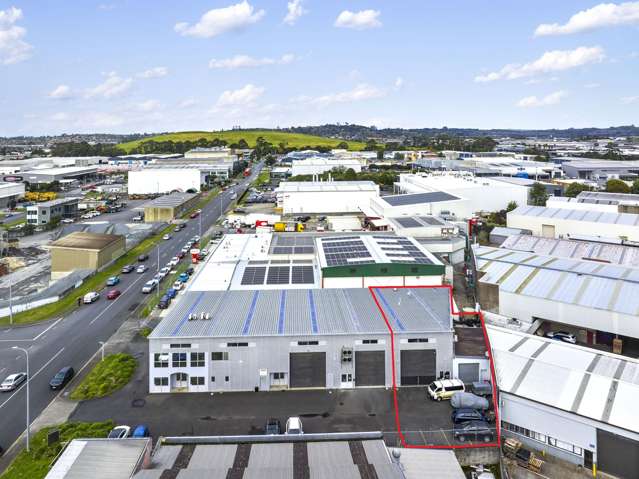
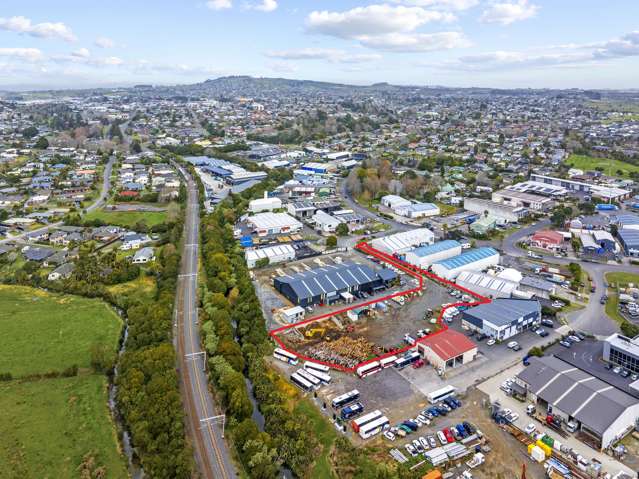
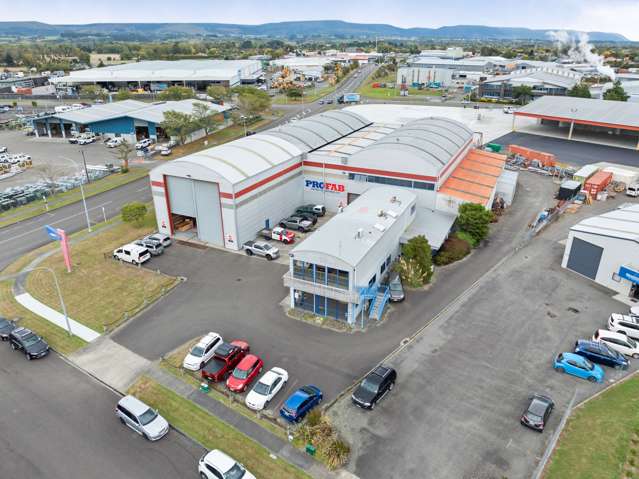
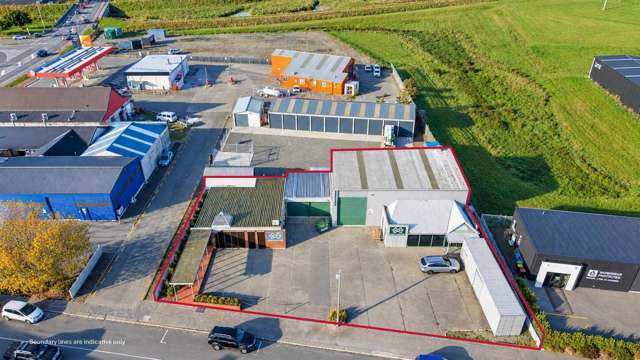
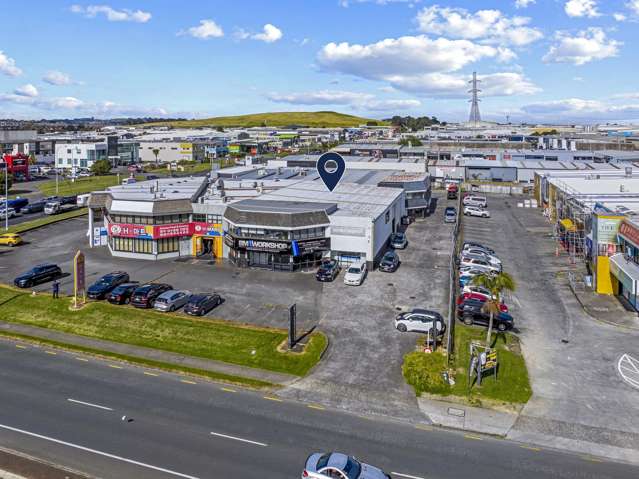
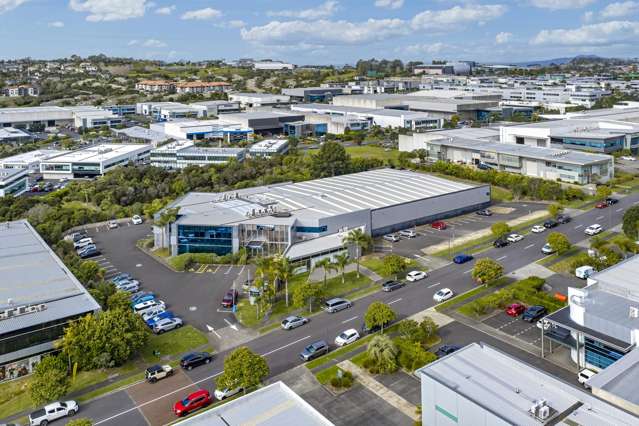
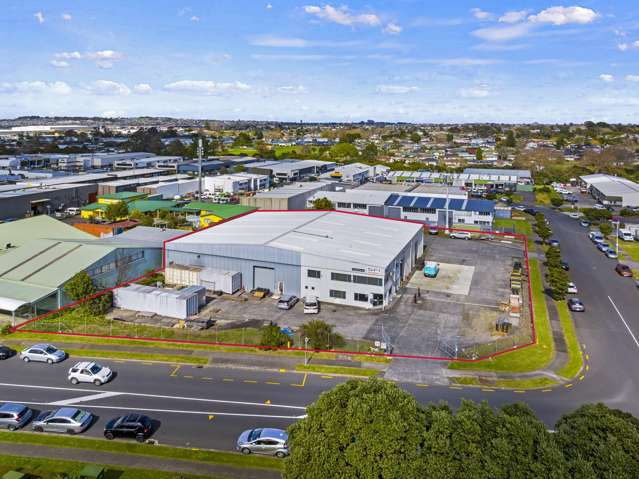
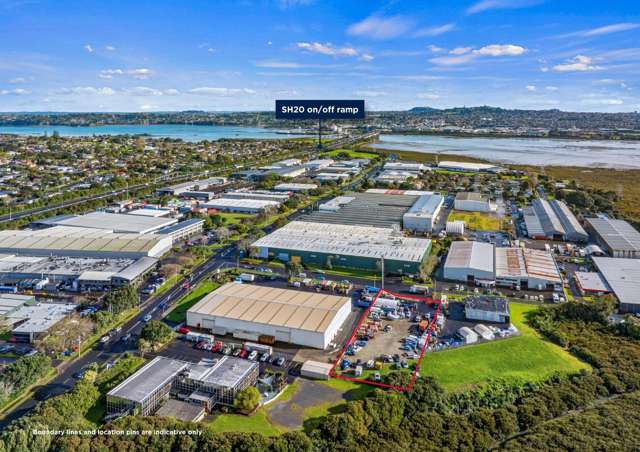
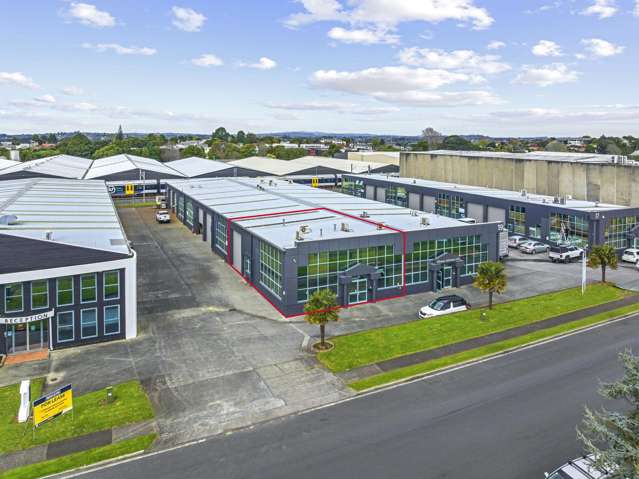
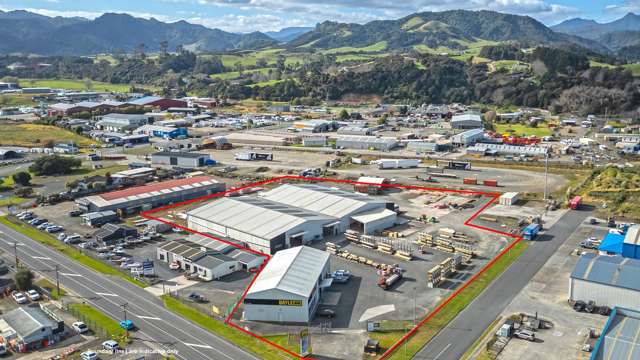
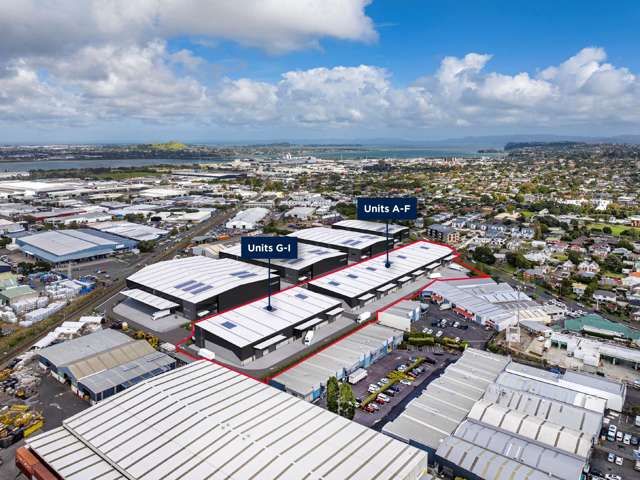
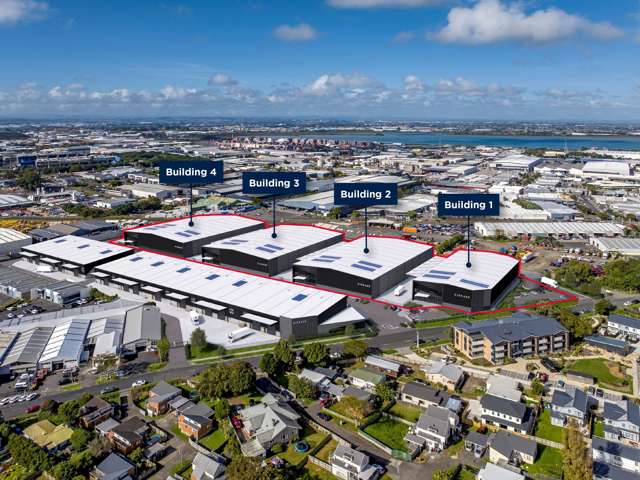
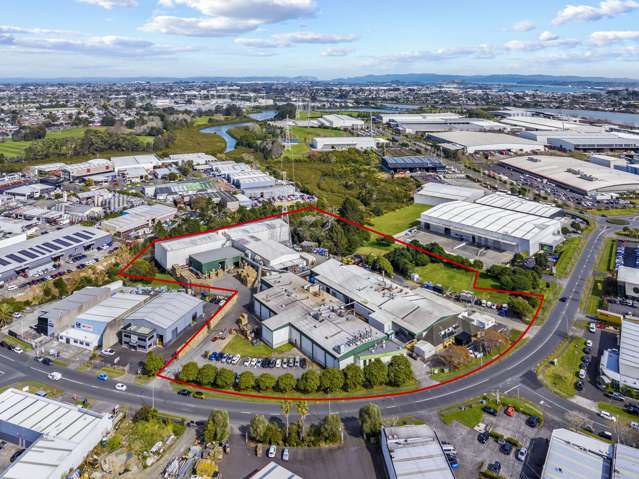
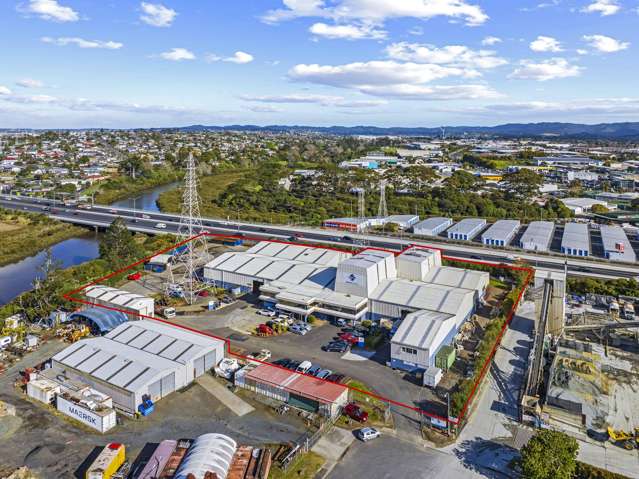
Pritika Chand, Senior Research Analyst at Colliers, says industrial property sits closer to the frontline, given its close ties to energy use and supply chains, but fundamentals remain supportive.
“Auckland’s prime industrial vacancy rate is relatively low compared to other sectors at 2.3 per cent,” she says.
“That tells us the sector starts from a position of strength, even if the pace of recovery slows as businesses reassess costs and expansion plans.”
Construction costs are a key indicator to watch. While domestic supply chains and existing inventories have so far limited cost escalation, sustained disruption to global shipping routes could flow through to higher material prices later this year.
“There’s typically a lag between global supply chain stress and local construction cost inflation.
“At this stage, that lag is working in New Zealand’s favour, but it’s something developers and investors will need to monitor closely.”
Looking ahead, the Colliers Research & Economics team expects the broader economic environment in 2026 to be characterised by softer growth and higher unemployment, tempering rental growth and slowing reductions in vacancy rates.
Leasing decisions may take longer, and capital values are likely to rise more gradually than in earlier recovery phases.
Despite the uncertainty, Fitchett says the market is not entering this period on the back foot.
“This is a test of resilience rather than a structural reset,” he says.
“While higher oil prices and global volatility will weigh on confidence, New Zealand enters this shock with a high employment rate, accommodative interest rates, and a strong rural sector. This makes our market better positioned for this shock than many offshore peers.”
Fitchett says investors and landlords who remain focused on tenant quality, lease flexibility, and sector-specific risk will be best placed to navigate what is shaping up to be a more challenging phase of the cycle.
“When volatility rises, private investors who are active in navigating the market can continue to find strong returns.”
- Supplied by Colliers