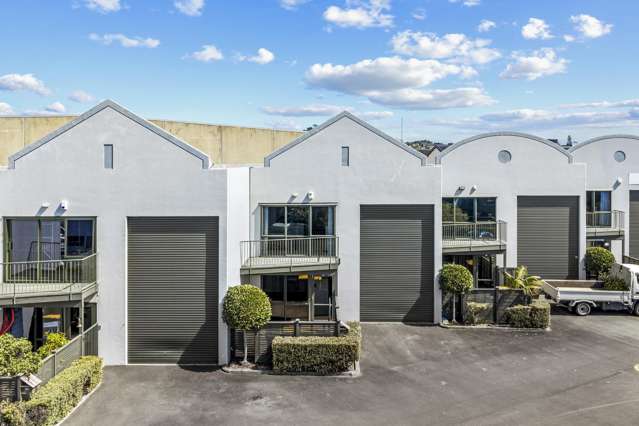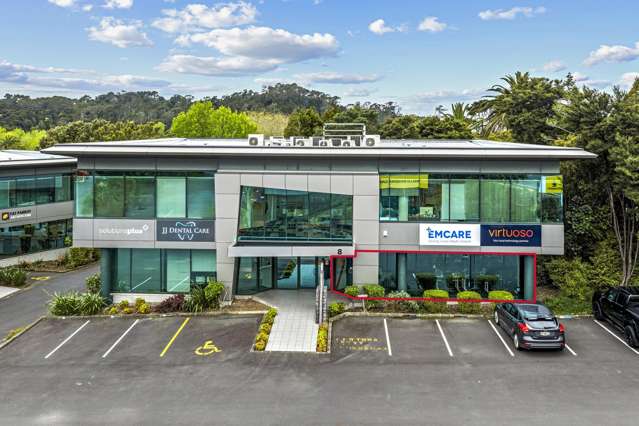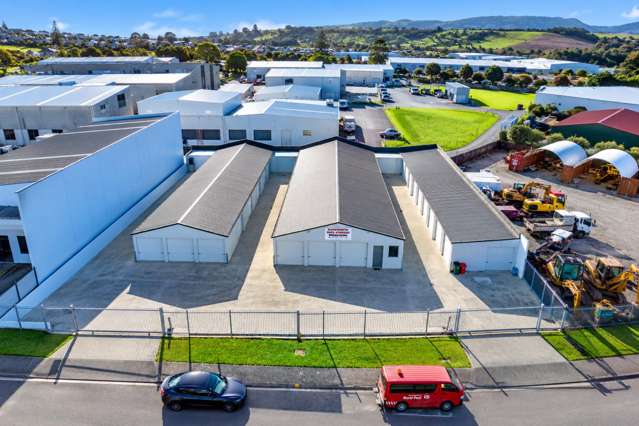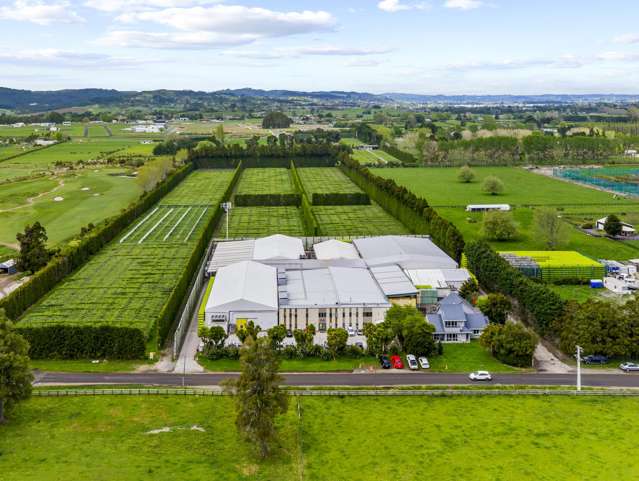

The next development cycle in New Zealand’s commercial property market has begun and the typical cyclical factors are likely to have an overlay of technological change.
The latest monthly report from the Colliers Research & Economics team suggests the changing market forces of artificial intelligence (AI) and advanced robotics have the capability to disrupt long-term trends.
AI and advanced robotics have made significant strides forward in recent years and businesses are now shifting from pilot programs to larger-scale implementation. While it is unclear how our workspaces will need to adapt, it is clear that different occupations face different exposure levels to these new technologies.
Hamish Fitchett, National Director of Research & Economics at Colliers, says AI job exposure is greater in professional services roles, while job exposure to advanced robotics is larger for manufacturing roles.
Start your property search
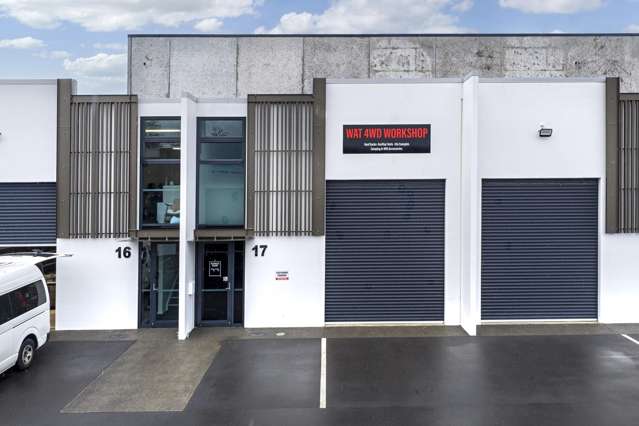
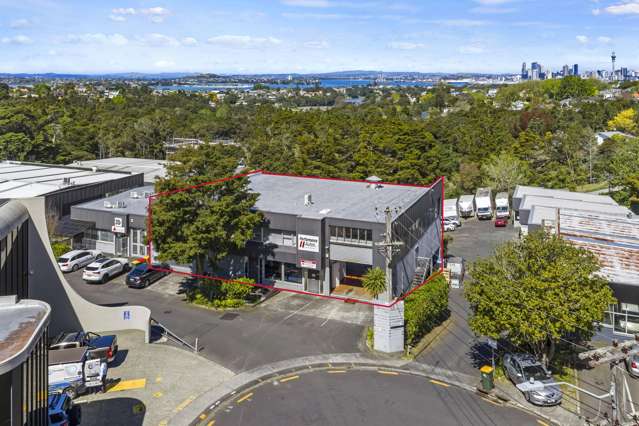
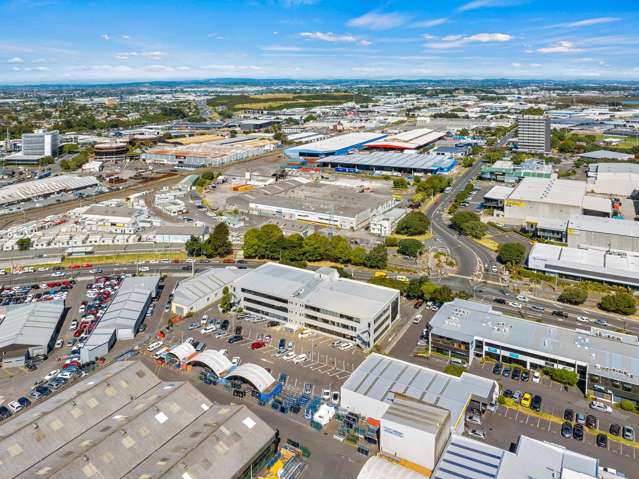
“The different industries across our regions mean that the exposure for commercial property markets will also vary across regions. Auckland has a larger manufacturing sector than Wellington, and industrial property makes up a larger share of Auckland’s total commercial property stock,” Fitchett says.
“More employment in manufacturing means that Auckland is more exposed to advanced robotics than Wellington. This labour force exposure translates to greater commercial property exposure.
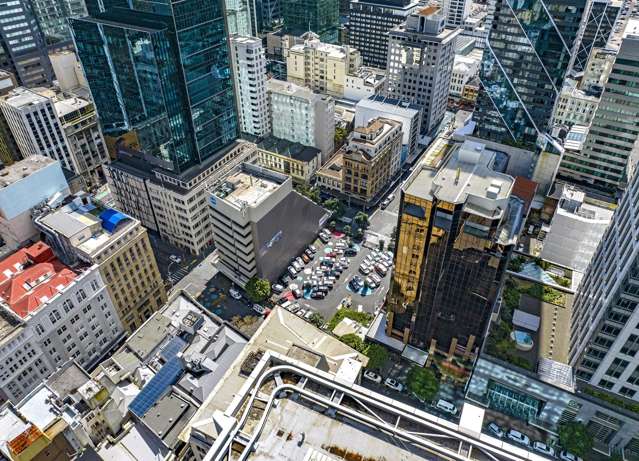
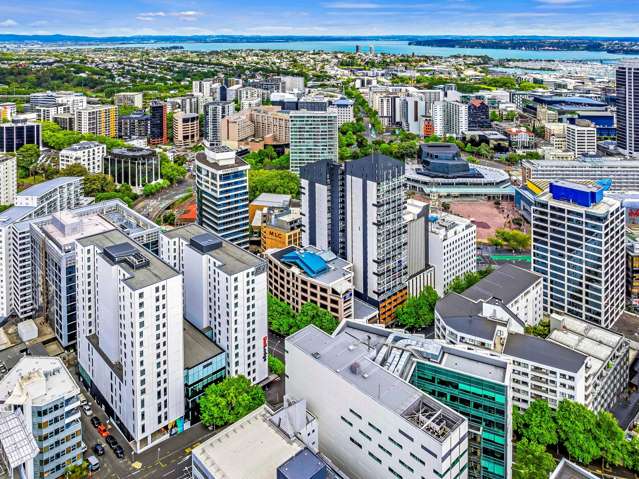
“Conversely, Wellington’s workforce is based around government and office-based jobs. Over 35 per cent of Wellington’s commercial property space is office stock, compared to 18 per cent in Auckland. Wellington and Auckland are the two regions most exposed to AI, but Wellington’s workforce is more exposed than Auckland’s workforce, and so too is Wellington’s office stock.”
The most recent investor confidence survey conducted by Colliers showed improving confidence levels as the country entered 2026. A net 14.2 per cent of respondents expressed confidence in the property sector’s outlook, marking the highest quarterly confidence score since the easing of Covid restrictions in 2021. These confidence scores reflect the strengthening economic fundamentals that were emerging prior to the current oil price shock.
Eunice Tsang, Senior Research Analyst at Colliers, says this improved confidence is partially due to the reduction in sector risks alongside accommodative interest rates and strengthened economic performance.
“The rising level of confidence is contributing to the next development cycle, and it will influence net absorption rates in the market,” Tsang says.
“The net absorption rate increases as new commercial property stock enters the market and is tenanted. Equally, it will dip if there is more untenanted stock in the market. The net absorption rate has typically moved in cycles of about two years between peaks.
“Looking through the lens of the Auckland office market, at the end of 2025, Auckland’s prime office sector had high net absorption rates as new, tenanted space entered the market.
“Changes to workforce dynamics driven by AI and robotics will likely play an important part in driving the next development cycle of our workspaces as organisations look to optimise their footprint.”
Meanwhile, ongoing geopolitical tensions and the war with Iran has the potential to deliver shocks to the broader economy that will eventually reverberate through the commercial property market in New Zealand.
“Given oil is so pivotal to supply chains, the recent price spike is expected to be inflationary and cause interest rates to increase more quickly while also slowing economic activity,” Fitchett says.
“This may keep commercial property yields higher, as elevated interest rates dampen investor activity and slow property price growth.”
- Supplied by Colliers