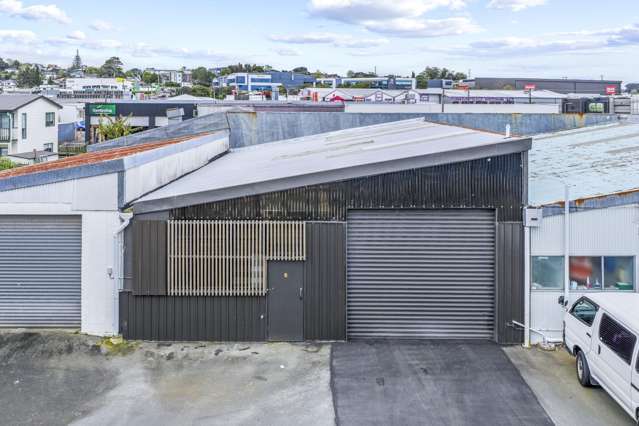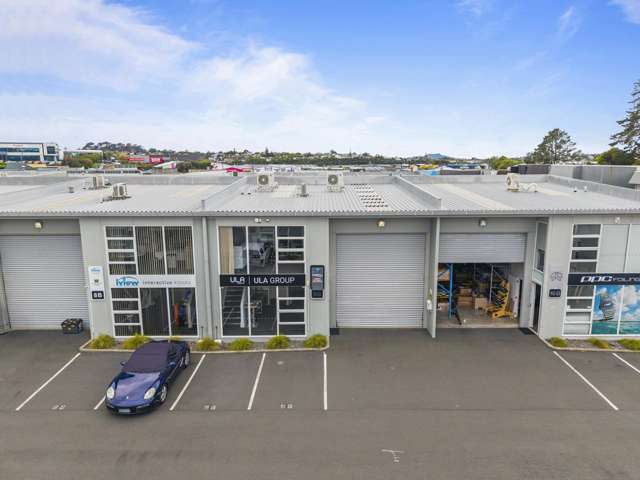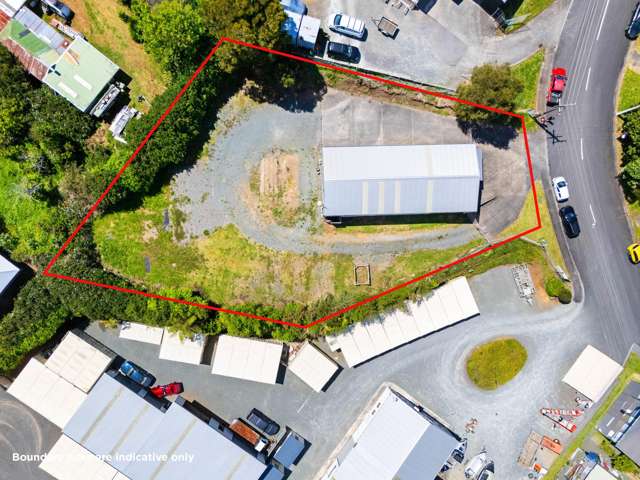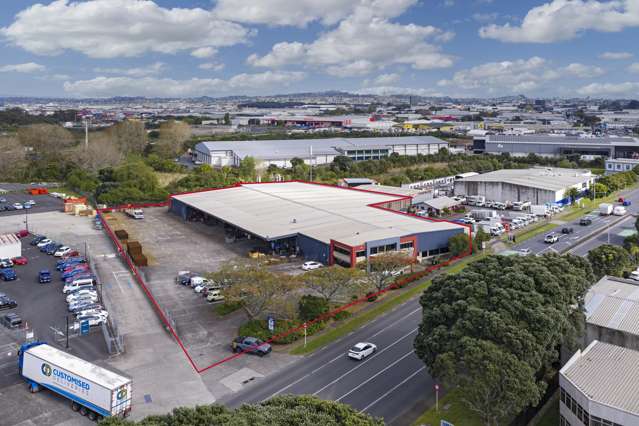
The development pipeline in the commercial property market looks set to stabilise over the next year.
According to the New Zealand Research Report for September from Colliers, the conditions are in place for a period of measured growth following recent spikes of volatility.
A surge of development activity took place in 2021 and 2022 amid a low interest rate environment but when building costs rose, a slowdown took hold.
Now with inflation easing and interest rates falling, developers have begun to re-engage and are eyeing opportunities, given most of the new developments created during the surge a few years ago have been absorbed by the market.
Start your property search
Hamish Fitchett, National Director of Research & Economics at Colliers, says the pieces are in place for a steady flow of development activity in the coming 12 months.
“The return to a low and stable inflationary environment helps boost business confidence and growth prospects for the New Zealand economy. In turn, our labour markets are expected to improve,” Fitchett says.
“The consensus view is that we are currently experiencing the trough in the labour market. From here, employment is expected to rise as economic growth returns to low and stable levels. This means that now is a good time to find workers for development projects.
“We expect to see the development pipeline slowly respond to these factors and begin to strengthen over 2026.”
Data from Stats NZ’s business price indexes show that construction costs and commercial property prices are no longer escalating at the levels previously seen and are now considered more manageable.
One indicator of the current level of development activity is the ready-mix concrete data produced by Stats NZ and that notes a 10.1 per cent drop off in the June 2025 quarter compared to the same quarter from last year.
But consenting numbers have slowly been on an upward trend for the past two quarters, and the combination of moderating construction costs, lower interest rates, and improved financing conditions will likely lead to a further rebound in development consents as we move towards 2026.
“This period of interest rate easing from the Reserve Bank of New Zealand is the largest we have seen since the Global Financial Crisis. These lower interest rates are supporting a return to growth in bank lending for commercial property development, which has averaged annual growth of 2.5 per cent over the past 12 months,” Fitchett says.
“Increased lending for commercial property development will help support a boost in new developments as financing can be secured at favourable rates.
“We expect to see this support a mild recovery in the issuance of consents for the development of commercial and industrial property.”
- Supplied by Colliers