- The housing market is jittery due to rising oil prices, inflation fears and expensive mortgages.
- Auckland and Wellington regions face significant property value drops, with some suburbs below pre-Covid levels.
- South Island regions show resilience, with strong growth in West Coast, Southland, Canterbury and Otago.
The housing market appears to have the jitters, rattled by rising oil prices, inflation fears and the prospect of more expensive mortgages.
Start your property search
The latest OneRoof-Valocity house price figures highlight where property values are most at risk from a deteriorating economic outlook due to the conflict in the Middle East.
It also points to where in New Zealand homeowners are likely to escape the worst of any market downturn.
According to the OneRoof-Valocity House Value Index, the nationwide average property value rose by 0.4% ($4000) to $967,000 in the three months to the end of April.
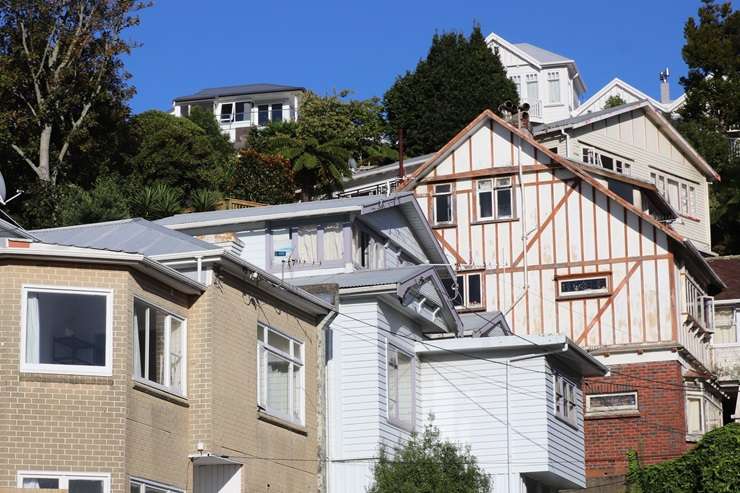
House prices in the capital have fallen hard since market peak, with the average home worth $400,000 less. Photo / Getty Images

OneRoof editor Owen Vaughan: "Most lenders anticipate the Reserve Bank will raise the OCR sooner rather than later." Photo / Fiona Goodall
The marginal uptick reflects the market’s tepid performance in 2026, with the current nationwide value $3000 below where it was a year ago, $10,000 below where it was two years ago, and only $21,000 above where it was five years ago.
House prices in five regions fell over the quarter, with Manawatu-Whanganui recording the biggest loss. Its average property value dropped by 1% (-$6000) to $601,000. Also in the red were Bay of Plenty (-0.3% to $967,000), Hawke’s Bay (-0.3% to $788,000), Auckland (-0.1% to $1.263m) and Taranaki (-0.1% to $713,000).
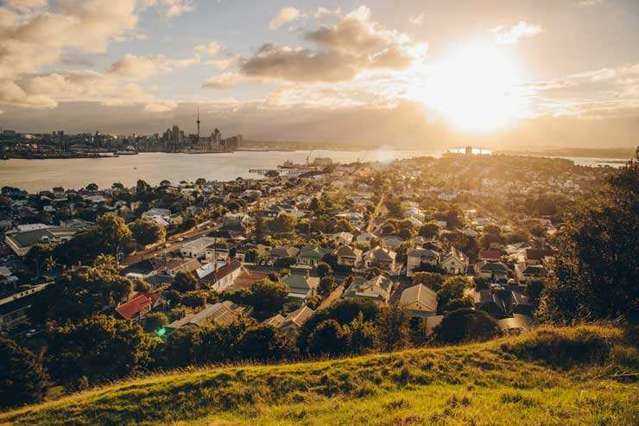
While the continued fall in Auckland house prices is good news for buyers, especially market newbies, it’s putting sellers under pressure. Auckland homeowners have seen the value of their biggest asset tumble an average of 20% (-$316,000) since the market peak four years ago.
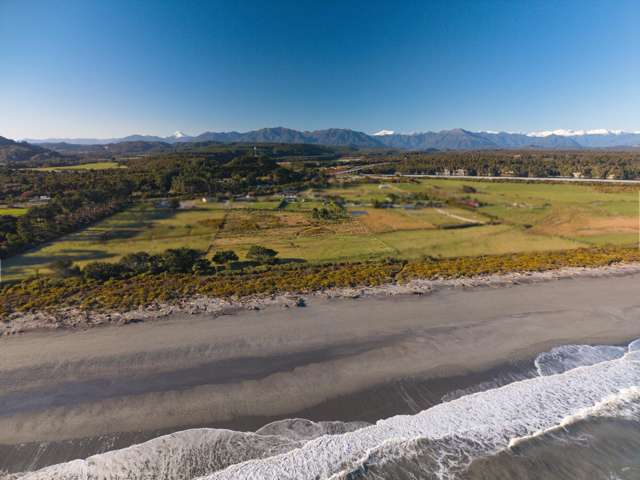
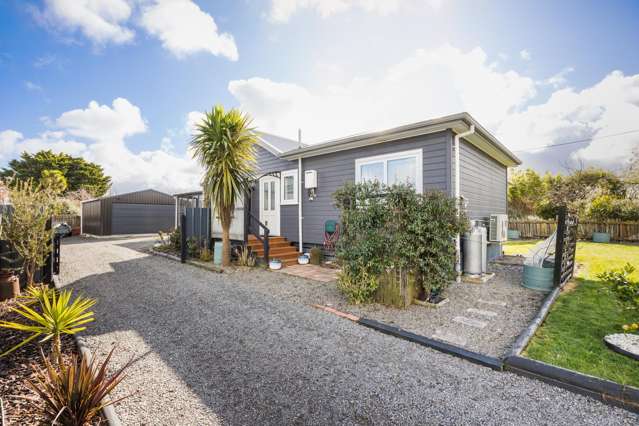
However, the figures also show where the energy is in the market in 2026 - namely, the South Island. Recording strong property value growth over the quarter are West Coast (+3% to $513,000); Southland (+2.8% t0 $589,000); Canterbury (+1.4% to $819,000); and Otago (+1.2% to $1.04m).
House prices in all four regions reached new heights at the end of April and show signs of resilience or further growth, with the South Island’s housing market still benefiting from affordable prices and a booming farming sector.
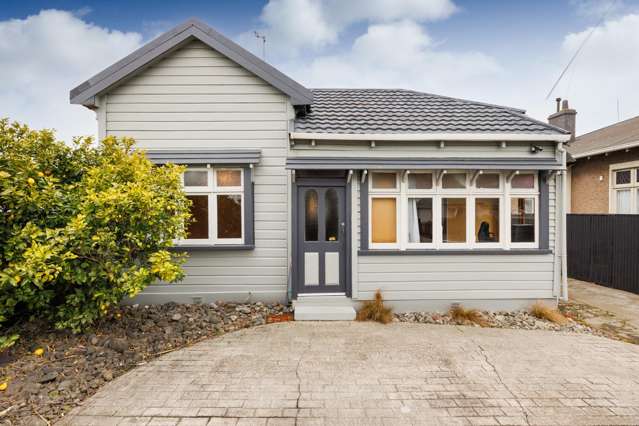
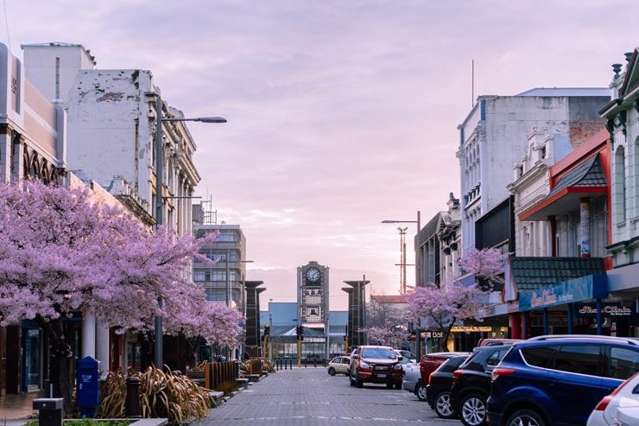
At a major metro level, Christchurch and Dunedin lead the pack, enjoying property value growth of 1.6% over the last three months, with Christchurch’s average property value hitting a new high and Dunedin fast approaching its 2022 peak of $759,000.
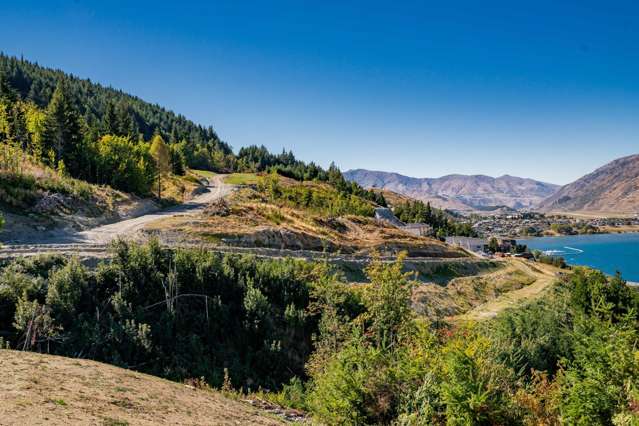
Homeowners in Queenstown-Lakes saw property values edge up by 0.7% over the same period, with the affluent district poised to benefit from the easing of the foreign buyer ban in March. Average values now sit at $2.13m, around 40% higher than five years ago.
Wellington City’s average property value, by contrast, is 19% below where it was five years ago, and frighteningly for homeowners in the capital, only 2% above where it was before the Covid price surge. Those who bought at the height of the market in 2021 and 2022 are essentially stuck in a home worth, on average, $405,000 less than what they paid.
OneRoof analysis shows suburbs in Wellington City and the wider Wellington Region are at risk of further price drops due to the impact of the Iran crisis.
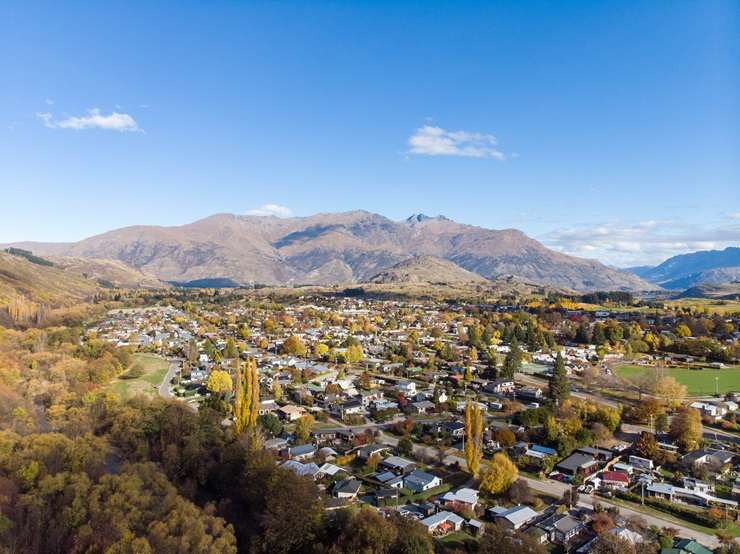
The average property value in Arrowtown has jumped over 75% in the last five years, and is at an all-time high of $3.137m. Photo / Getty Images
The research comes as Kiwi banks lifted their mortgage rates and pulled cheaper deals ahead of this month’s Budget and the Reserve Bank’s Official Cash Rate decision. ASB has lifted some of its rates by as much as 20 basis points, and BNZ hiked its rates for the second time in two weeks.
Most New Zealand lenders anticipate the Reserve Bank will raise the OCR sooner rather than later, with economics forecaster Infometrics predicting three hikes this year.
OneRoof analysed house values in almost 1000 suburbs across the country to see which ones were most vulnerable to economic shocks and which ones stood the best chance of weathering the current crisis. Of the 933 with more than 20 settled sales in the last 12 months, OneRoof identified 106 that have suffered house price falls in the last three months, six months, year, two years, and five years. Most are in the Auckland and Wellington regions, and have seen house prices fall by as much as 3.8% in the last three months.
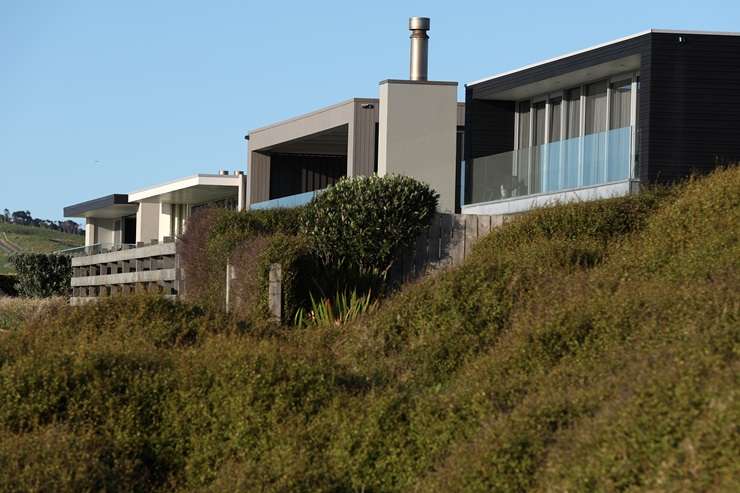
Luxury baches in the wealthy beach town of Omaha, on Auckland’s northern fringe, are in high demand. Photo / Fiona Goodall
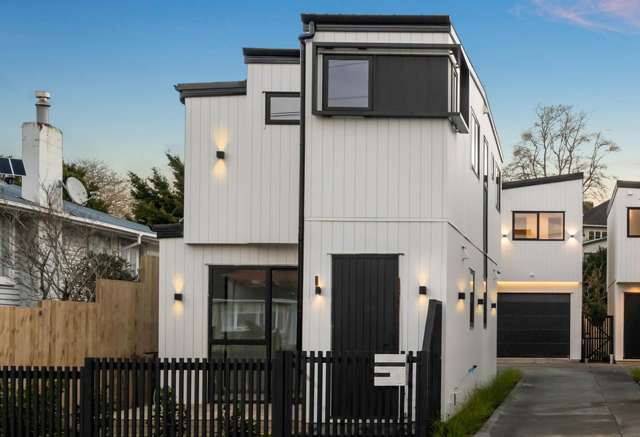
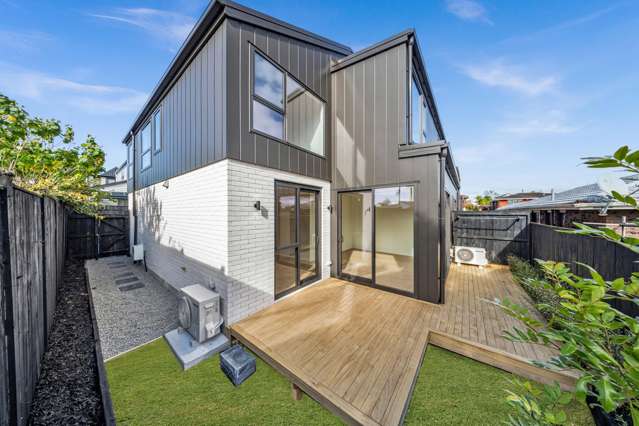
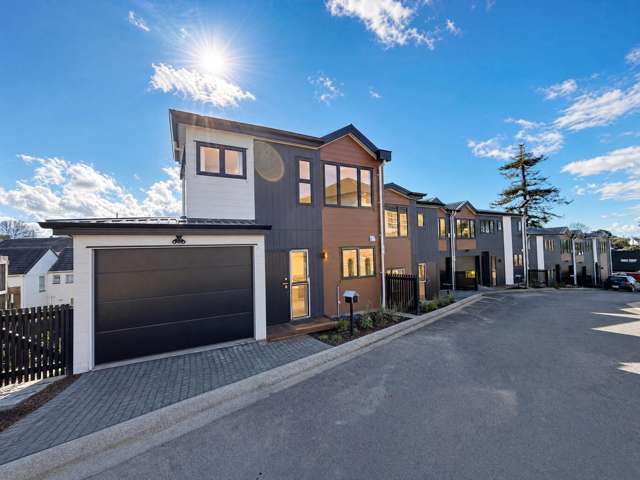
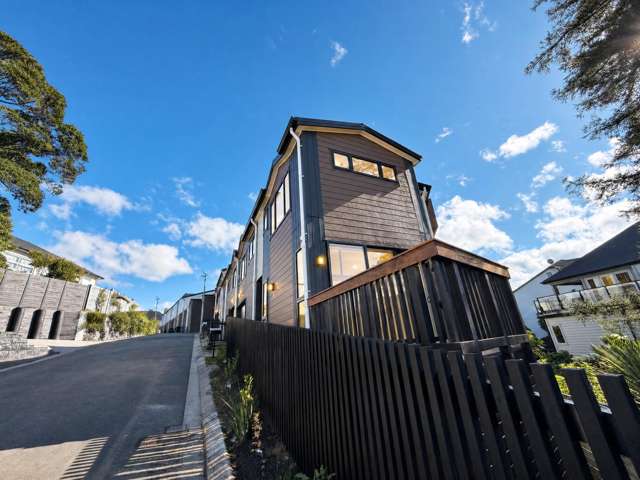
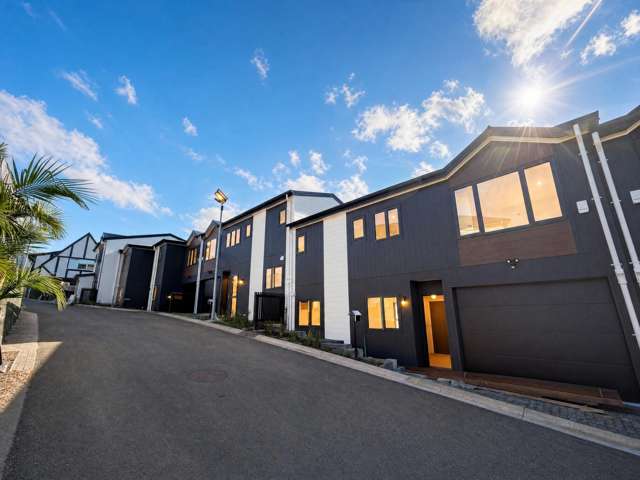
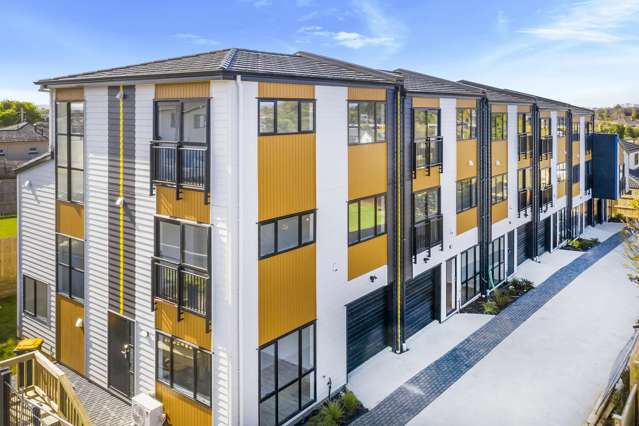
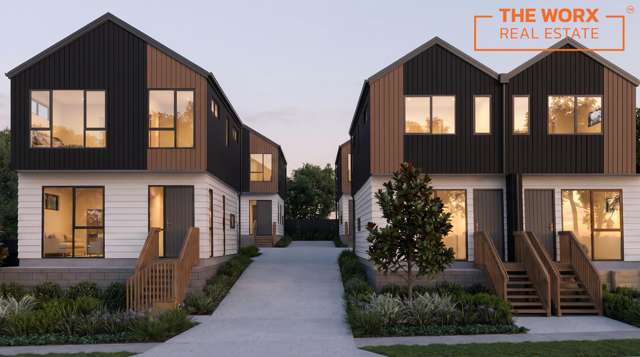
The analysis flagged nine vulnerable suburbs where property values have slipped below pre-Covid levels. In Auckland, homeowners in Point England and Te Atatū Peninsula have borne the brunt, with prices down by about $70,000 compared with February 2020. The falls have largely been driven by a surge of new build townhouses, which developers have struggled to sell in the current market.
Also vulnerable are the Wellington City suburbs of Te Aro, Aro Valley, and Mount Cook, where property values have tumbled $60,000 in the last six years.
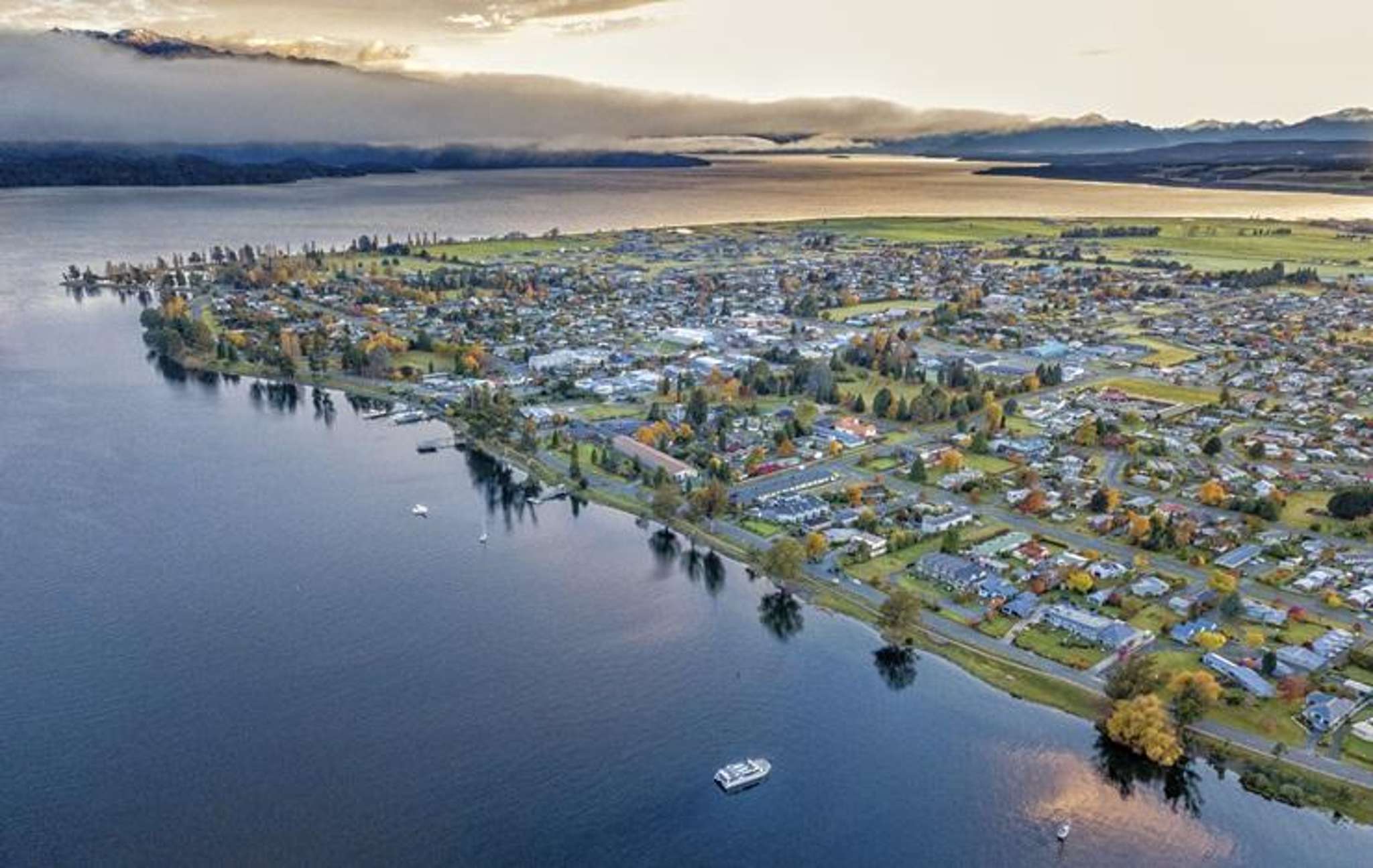
OneRoof’s analysis identified 214 suburbs – most of them in the South Island – where property values have risen consistently over the past three months, six months, one year, two years and five years. Of these, 26 hit new value peaks by the end of April and appear well placed to ride out any market downturn. Seven recorded particularly strong gains in the past quarter, led by Otematata in Waitaki (+6%), Te Anau in Southland (+5%) and Christchurch’s Mairehau (+4.1%). Most of the “safe” suburbs are smaller, more affordable communities, and are less likely to face price declines linked to oversupply.
Demand has also remained consistently strong in the trio of high-value “safe” suburbs. Omaha, a seaside enclave north of Auckland, along with Arrowtown and Lake Hayes in Queenstown-Lakes, continue to attract wealthy buyers competing for a tightly held supply of trophy homes and holiday baches.
- Click here to find properties for sale