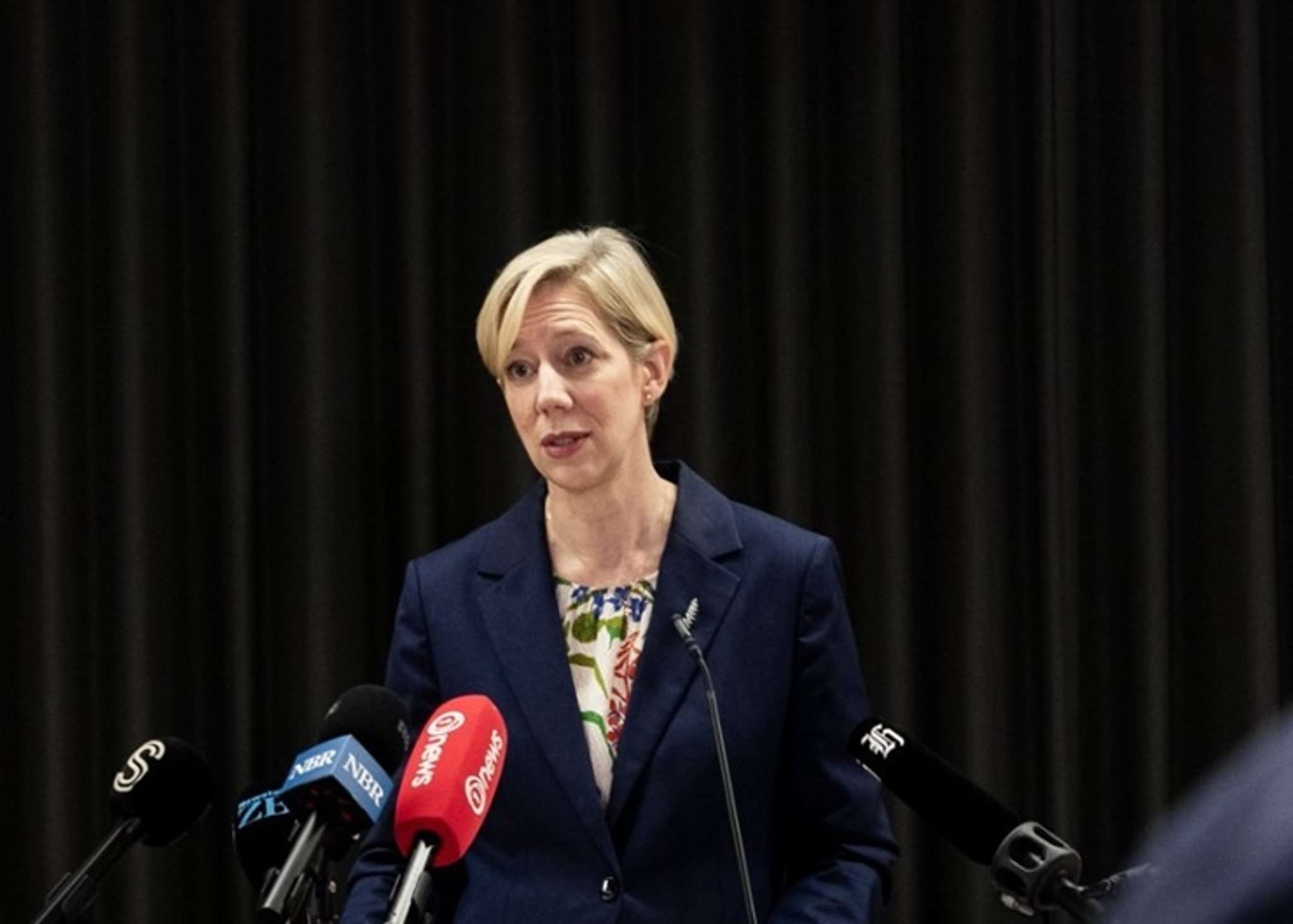
ANALYSIS: Early in October last year, the Reserve Bank cut the Official Cash Rate by a larger-than-usual 0.5%, then cut it again by 0.25% late in November, so it reached the 2.25% level it still sits at. Back when it made its 0.5% cut on October 8, the Reserve Bank predicted that the country’s annual rate of inflation announced this week would be 2.3%. Instead, it is 3.1%.
Over just a six-month period, with very little impact as yet from the Iran war, our central bank has under-predicted inflation by 0.8%. That is a very poor performance.
They did subsequently update their forecast for current inflation to 2.8% in February, with knowledge that they had missed their December quarter pick by 0.4%. Now, their miss is another 0.3% with just 0.1% of that possible to be attributed to the Iran War from a 3.5% rise in petrol prices over the March quarter.
The situation, in fact, is worse than it looks.
Start your property search
Not only did it cut the Official Cash Rate from 3.5% to 2.25% during a period when reported inflation rose from 2.2% to 3%, but it also predicted that inflation would fall to about 2% and stay there as a result of economic growth accelerating from -1% to 3%.
The Reserve Bank no longer has the ability to make reasonably accurate forecasts of where our inflation rate is headed. That is a cause for considerable concern, especially as there is nothing to suggest an investigation will be held into why their competence has disappeared and that means continued mistakes are likely.
That also means accurately predicting monetary policy changes for those of us asked to do such things is impossible. We cannot know how bad the Reserve Bank’s forecasts will continue to be going forward, and we definitely cannot predict when it will react to its lack of competence and make quick catch-up changes in monetary policy.
Borrowers need to take this unpredictability into account when considering how to manage their interest rates exposure. They also need to take into account the ongoing risk of unpredictable changes in energy prices and the extent to which businesses feed higher costs relating to the Iran war into their own selling prices.
Discover more:
- Tony Alexander: Iran war's impact on NZ - who's feeling pain the most?
- House prices rising fast in tiny South Island town with 200 people
- How NZ's oldest pub was saved: Beer fans shelve retirement to buy historic inn
There is value in having a good proportion of one’s debt at a fixed interest rate for periods longer than just one year. That is why I was such a fan of fixing five years late last year when that rate was commonly around 4.99%. It is now mainly near 5.59%.
From where we are now, the situation regarding monetary policy changes is extremely clouded, and much as I find validity in sticking the boot into the central bank at the moment, I do not envy trying to pick optimal rate changes in this current environment.
There is clear upward pressure on our inflation rate yet to come from higher energy prices, which will then feed into higher selling prices. But the growth outlook for our economy has deteriorated, and the Quarterly Survey of Business Opinion just released by NZIER shows businesses now plan to cut staff numbers and pull back on capital spending.
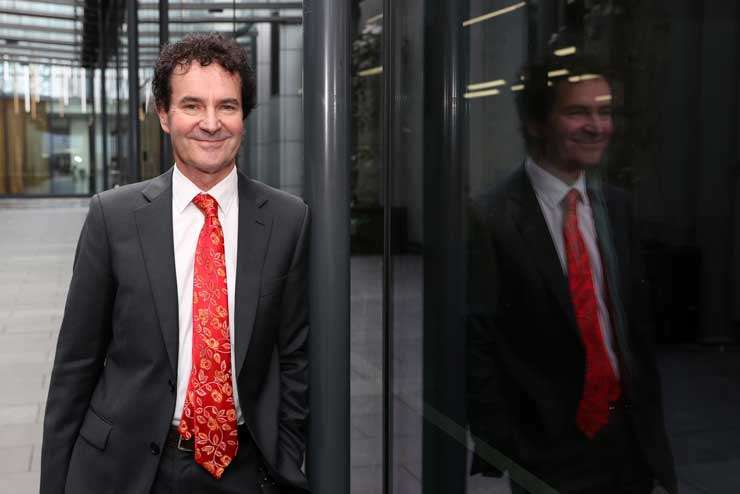
Independent economist Tony Alexander: "The Reserve Bank no longer has the ability to make reasonably accurate forecasts of where our inflation rate is headed." Photo / Fiona Goodall
Slower growth means less upward pressure on pricing changes. But how much is anyone’s guess, and while I am highly critical of the Reserve Bank’s performance last year, its leadership can be forgiven for the mistakes they are likely to make as a result of the Middle East conflict.
Again, for borrowers, explicit acknowledgement of the very uncertain environment we are living through needs to be made when considering what term to fix one’s mortgage interest rate. Personally speaking, I favour fixing three years near 5.29%, but can understand if immediate cash flow considerations mean many people instead opt to fix one year near 4.59%. Good luck. You and our no longer adequate Reserve Bank forecasting team need it.
- Tony Alexander is an independent economics commentator. Additional commentary from him can be found at www.tonyalexander.nz