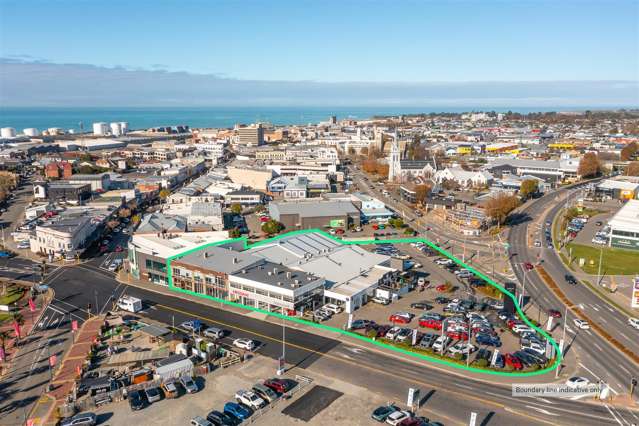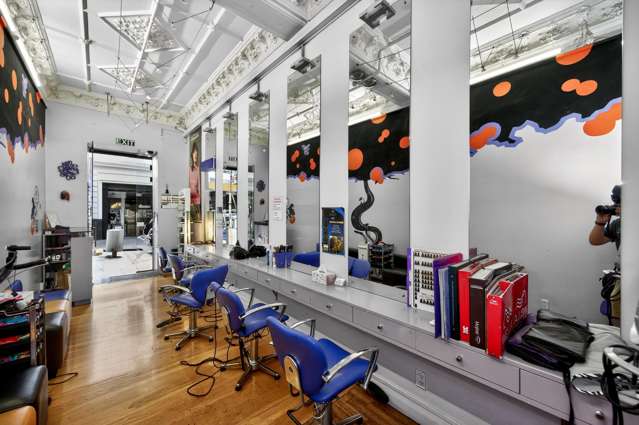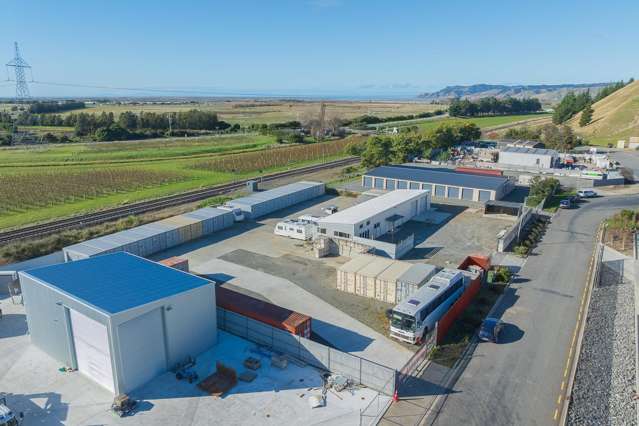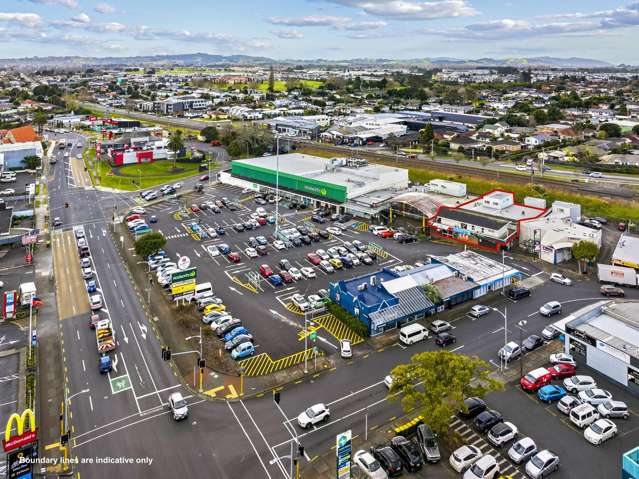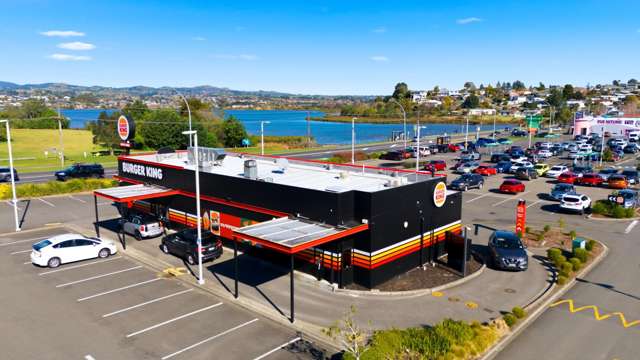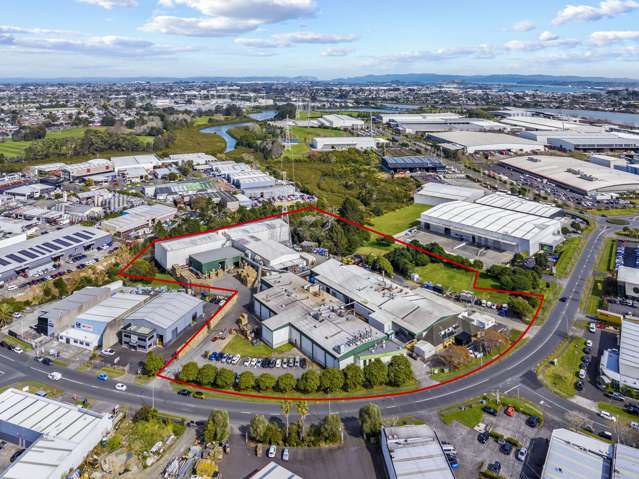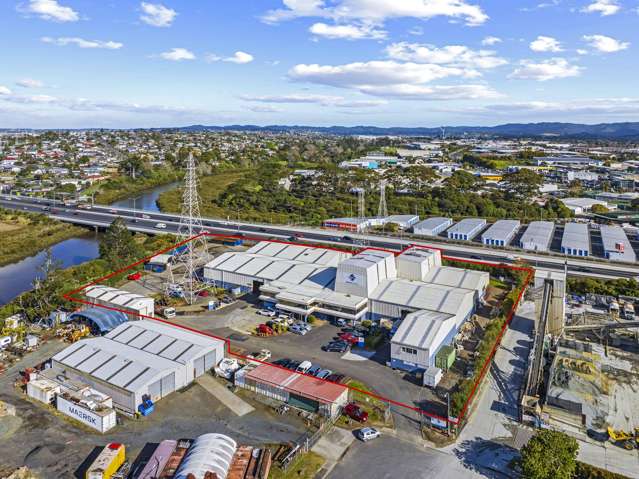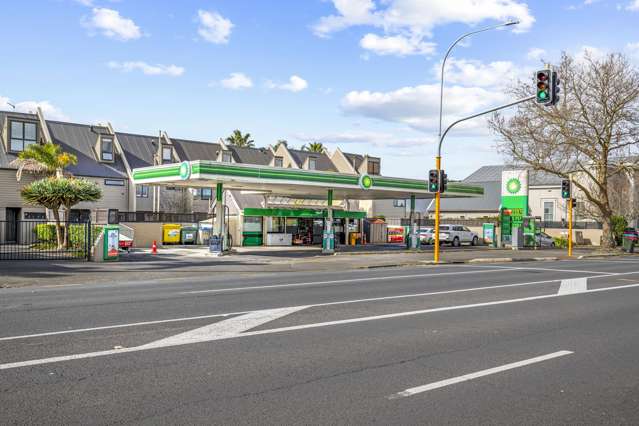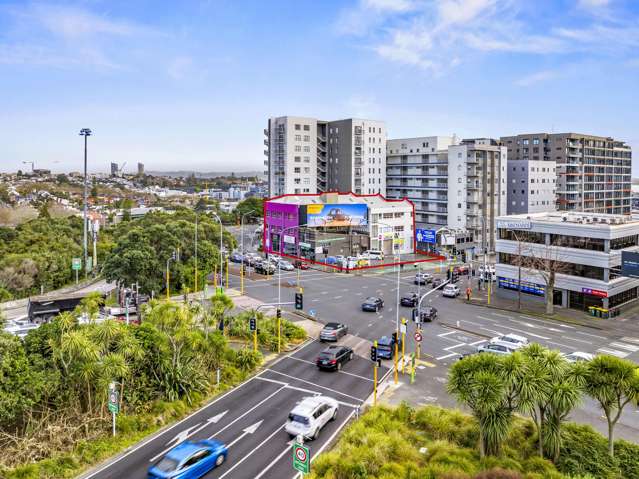
The evolution of e-commerce towards faster delivery models is reinforcing the importance of retail stores as consumers continue to support omnichannel retailing, according to CBRE’s 2026 New Zealand Real Estate Market Outlook.
Omnichannel retail is where customers receive a seamless experience across in-store and online shopping and q-commerce (or quick commerce) is where faster delivery expectations make local retail stores a critical part of the supply chain.
Both are supporting a more positive outlook for retail property, the research shows.
Zoltan Moricz, Head of Research at CBRE New Zealand, said the shift towards omnichannel and q-commerce is increasing the role of bricks-and-mortar retail premises in last-mile fulfilment - further integrating the dual functions of retail and logistics property.
Start your property search
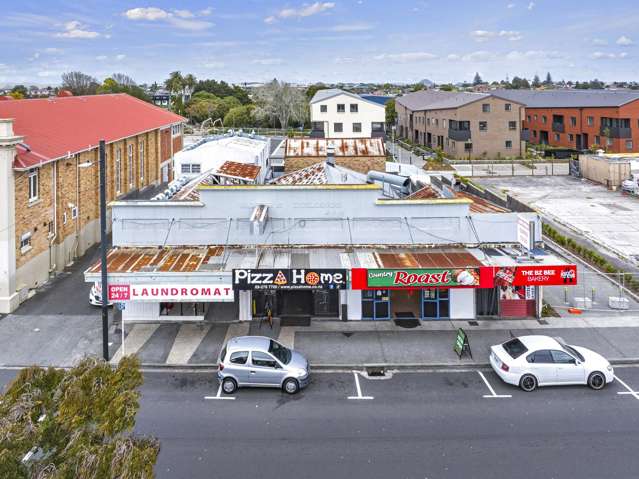
“As delivery timeframes shorten, storefronts, backrooms and well-located retail assets are playing a growing role in supporting rapid response distribution models alongside traditional retailing,” he said.
“Physical retail space is increasingly a key part of retailers’ logistics networks - the faster the delivery expectation, the greater the role of well-located retail premises in the supply chain.”
CBRE’s outlook also highlights the constrained upcoming supply of retail property. Active retail centre development is running well below historic norms, particularly for shopping centre space.
In Auckland, new supply is largely concentrated in large format retail precincts at Westgate and Drury, aligned with rapidly-growing population catchments. These supply dynamics are also expected to underpin performance for retail assets that dominate their catchments.
From an occupier perspective, conditions are stabilising following a period of rental moderation. CBRE expects rental growth to remain subdued through 2026, with an uplift forecast from 2027 to 2029.
Mark Calvert, from CBRE’s retail leasing team, said retailers are increasingly focused on network optimisation rather than contraction.
“Retailers remain disciplined given the ongoing challenging environment for consumers, but the focus has shifted toward securing the right locations rather than reducing space.
"Well-positioned centres and stores that offer strong catchment access and support omnichannel strategies continue to see solid occupier demand.”
Investor sentiment is already responding to this improving outlook. Caiti Morgan, retail capital markets director at CBRE New Zealand, said improving fundamentals are now translating through to completed transactions.
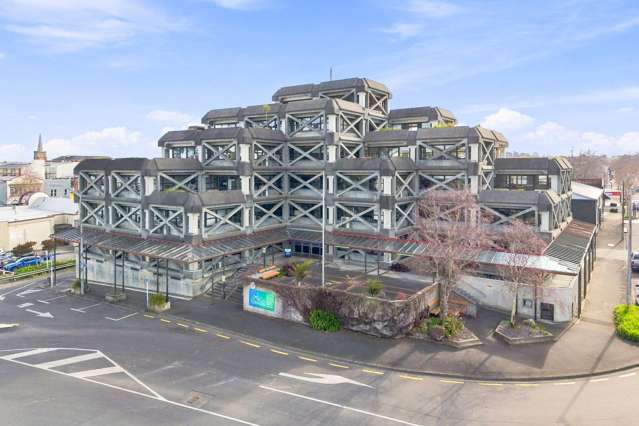
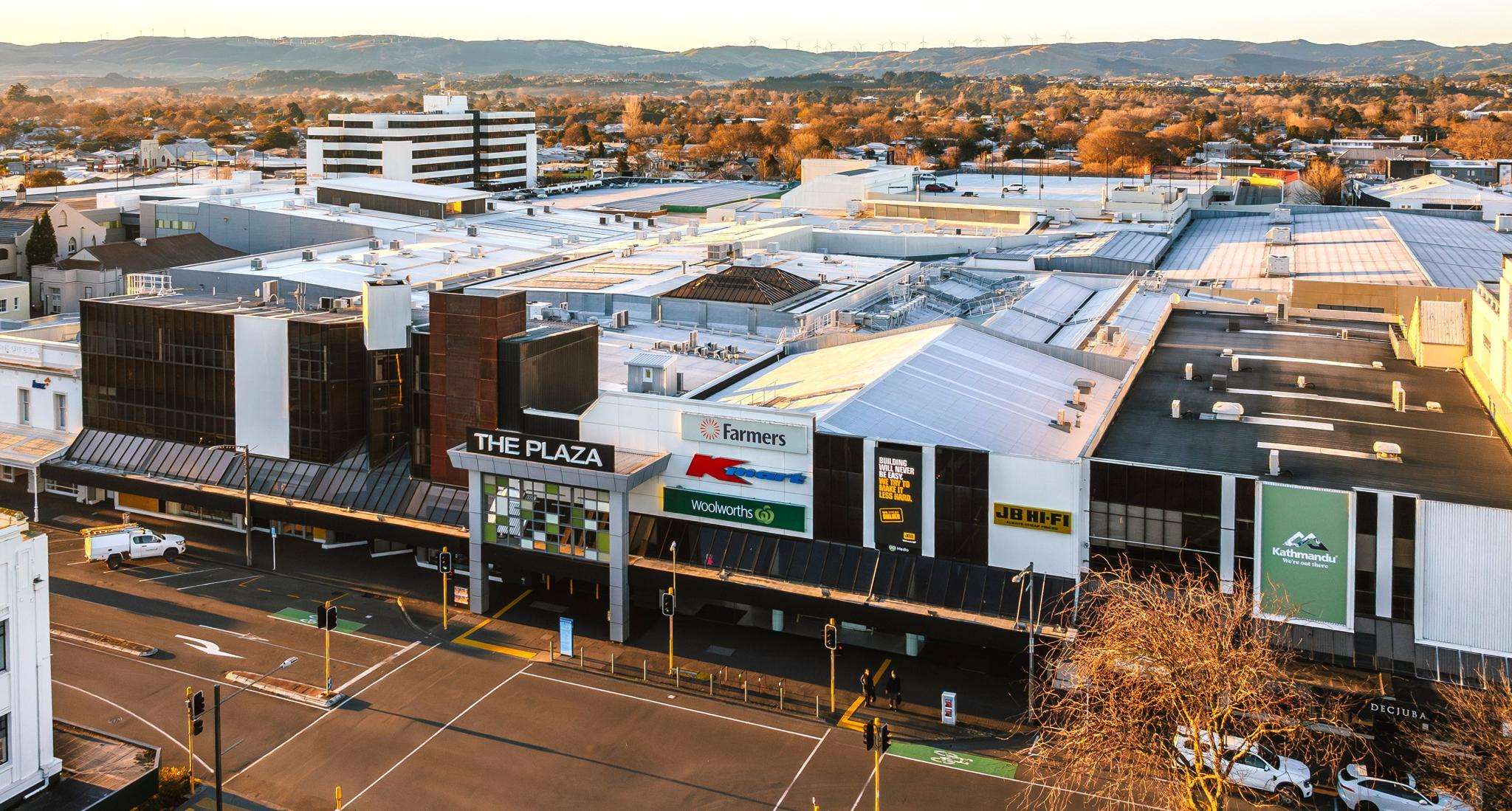
“Investor interest in retail is rebuilding, but it does remain selective. Recent transactions, including CBRE’s sale of The Plaza in Palmerston North, reflect a market where buyers are prepared to engage when pricing, asset quality and catchment fundamentals are right, rather than a broad weight of capital chasing every opportunity.”
The fact that transaction volumes have lifted already as investor confidence continues to improve and interest becomes more broad-based is encouraging, she said.
“Activity across the sector points to retail re-establishing itself as a credible core allocation for investors focused on medium-term total returns.”
The anticipated recovery in rental growth is expected to be sufficient for large format retail and regional shopping centres to deliver one of the strongest total return profiles across the commercial property sectors over the next five years, she added.
In 2025, New Zealand retail investment transactions totalled almost $1.15 billion across 47 sales, representing a 71% increase year on year, underscoring the renewed depth of capital targeting the sector.
- Supplied by CBRE