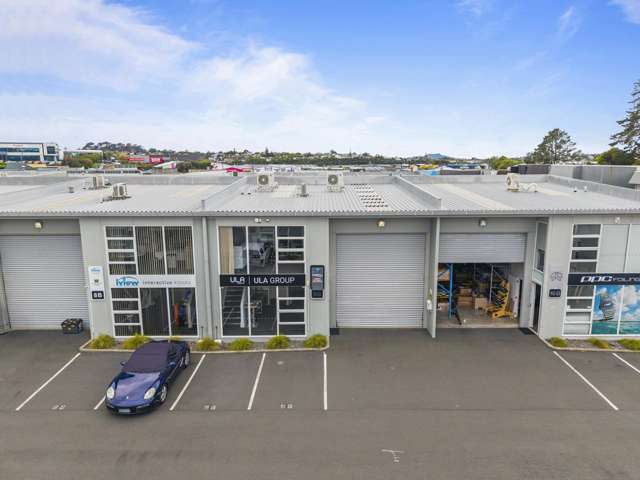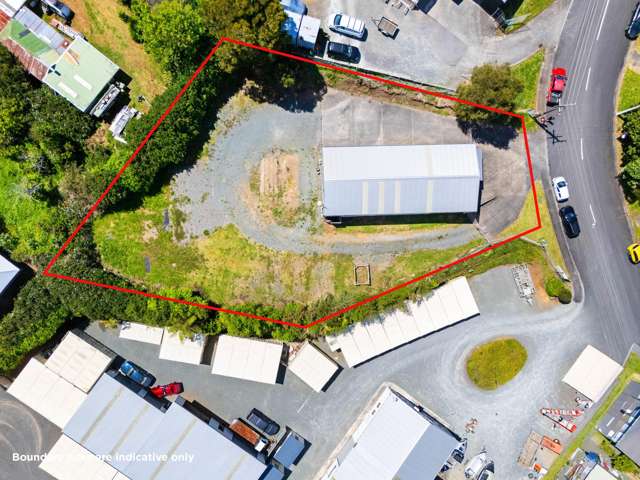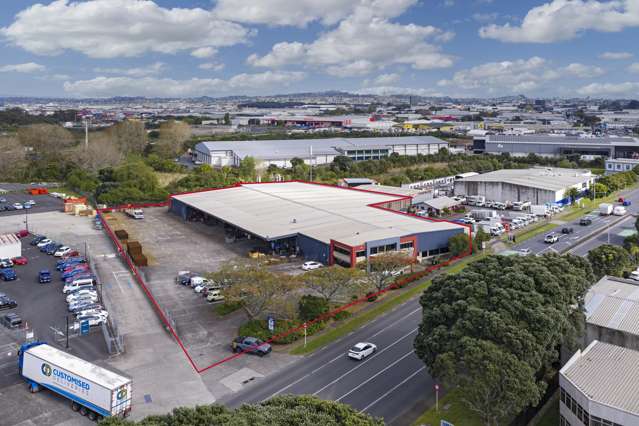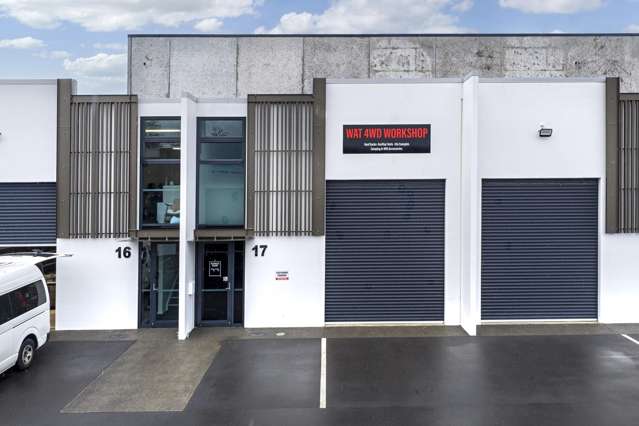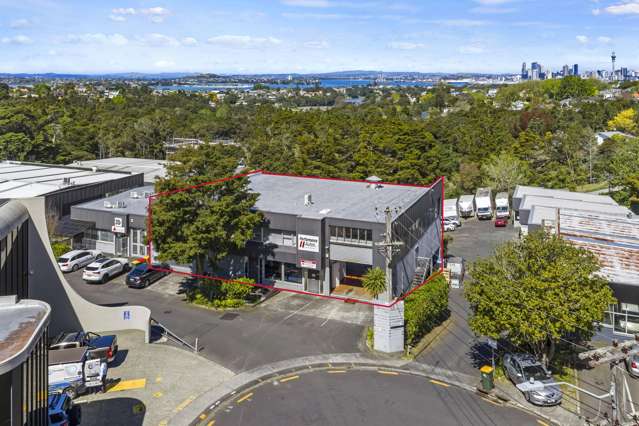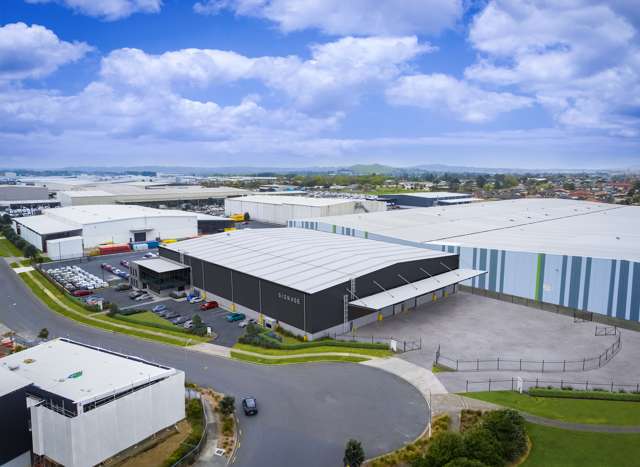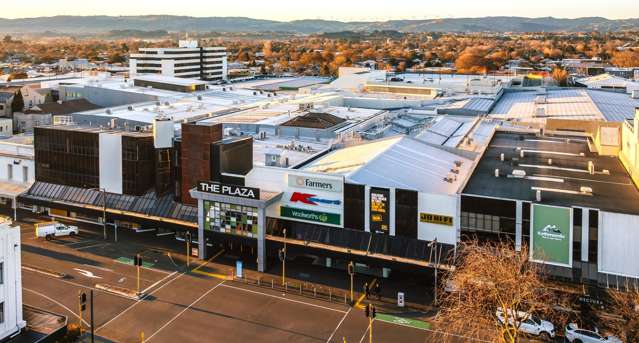
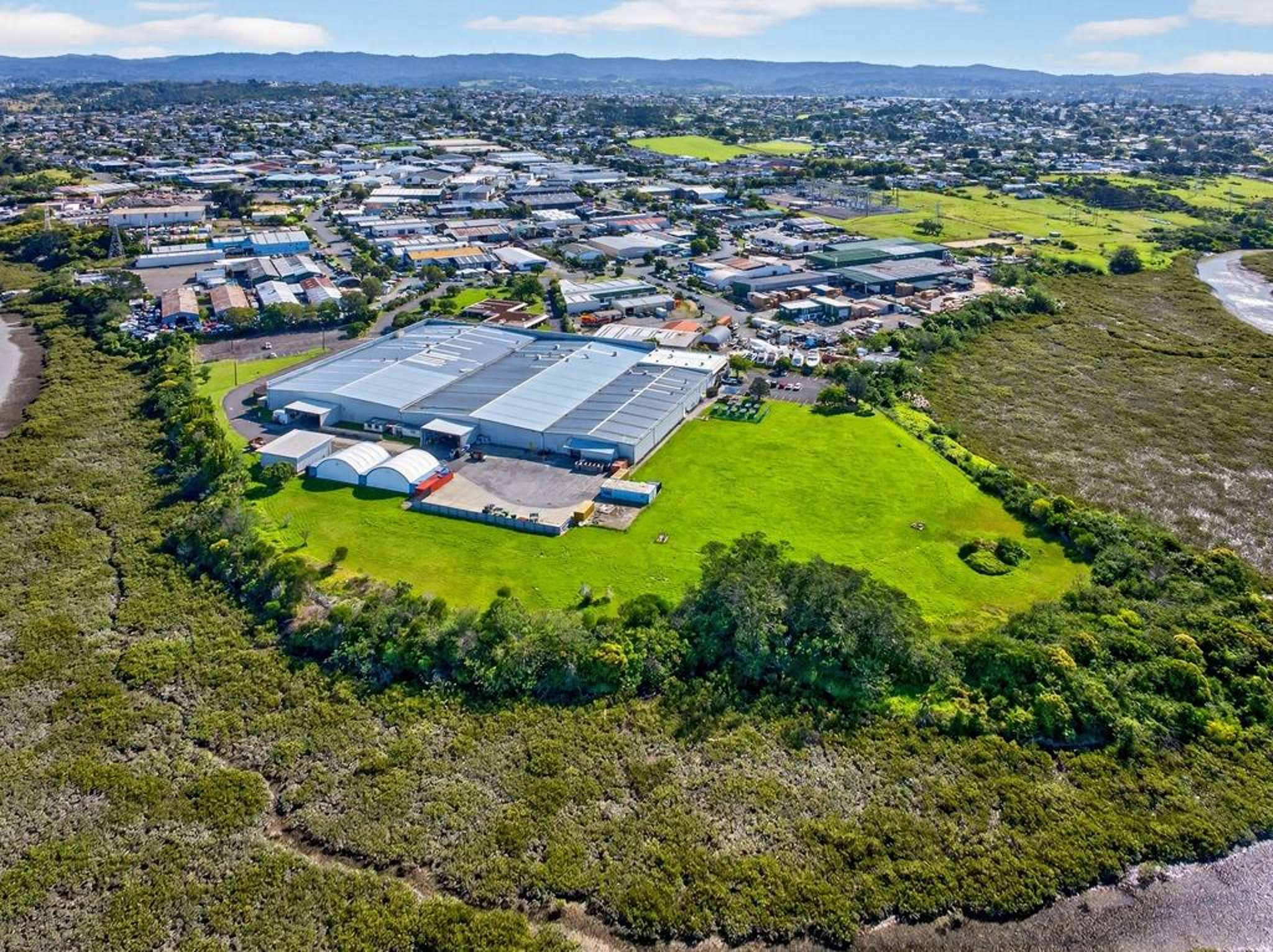
The continued expansion of omnichannel commerce is driving strong demand in the industrial property market and reshaping the logistics sector, according to CBRE’s New Zealand Real Estate Market Outlook 2026.
Omnichannel commerce, where customers receive an integrated shopping experience across a retailer’s physical stores, website and social media, has been embraced by Kiwi consumers, who like to combine in-store browsing with online purchases.
The growth in omnichannel commerce has fundamentally reshaped the role of industrial property.
In the industrial market, outsourced logistics and in-house logistics for the retail industry have a 41% share of the total Auckland prime industrial market occupancy.
Start your property search
This marks a significant increase from 34% in 2019, said Zoltan Moricz, head of research at CBRE New Zealand.
“Between 2019 and 2025, the prime industrial occupier market in Auckland expanded by 1.6 million square metres, with logistics and retail-related occupiers accounting for more than half of that growth. This reflects both the scale and durability of demand coming from these sectors.”
Claus Brewer, head of industrial & logistics at CBRE New Zealand, said occupier preferences are becoming more selective.
However, the leasing market remains well supported as demand from online spending growth and broader supply-chain investment feeds through, even as the market absorbs the elevated supply of warehousing delivered over recent years.
“We’re seeing occupiers remain active but highly disciplined in their decision making. Supply chain reliability, proximity to population centres and operational efficiency are front of mind, particularly in an environment where global uncertainty continues to influence freight costs, lead times and risk management.”
Despite these challenges, well located and functional industrial assets continue to attract strong interest, he said.
“Occupiers are making longer term decisions around network optimisation, which is supporting leasing activity even as businesses factor in external volatility. That dynamic is expected to carry through 2026 as confidence gradually improves.”
On the supply side, industrial development pipelines are beginning to moderate.
While the amount of Auckland prime industrial stock expanded significantly between 2020 and 2025, future supply growth of new property is forecast to slow materially.
Vacancy is expected to peak below 3%, with improving supply?demand dynamics forecast from 2027 as new stock additions taper off.
Rental conditions remain soft in the near term, particularly in Auckland, with CBRE expecting some ongoing weakness through the first half of 2026.
However, improving demand is forecast to support a return to modest rental growth by the end of the year.
From an investment perspective, secondary-grade industrial assets are well positioned in the current cycle, said Bruce Catley, head of industrial & logistics capital markets at CBRE New Zealand.
“Secondary industrial is expected to perform better than the broader market on a total return basis, driven by stronger capital growth relative to income returns.
"Prime industrial will also deliver solid capital returns, but at lower income yields, reflecting its pricing, preferred investment and defensive characteristics.”
Sustainability is emerging as a key structural theme within the industrial sector, with CBRE identifying a gap between occupiers’ environmental targets and the buildings they currently occupy.
Only a small portion of industrial occupiers with net zero or emissions reduction aspirations are currently located in formally sustainable buildings, indicating potential unmet demand for higher-rated industrial stock over time.
- Supplied by CBRE