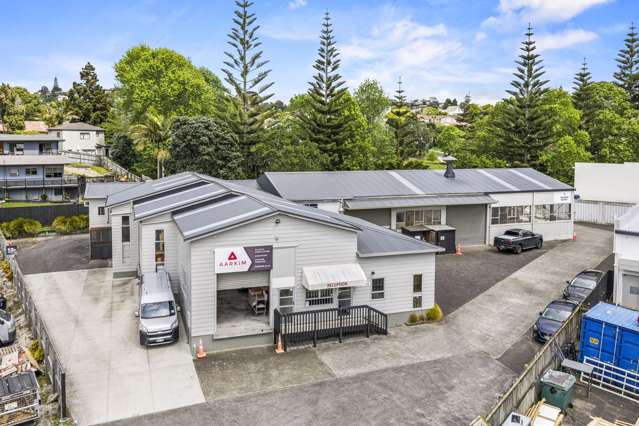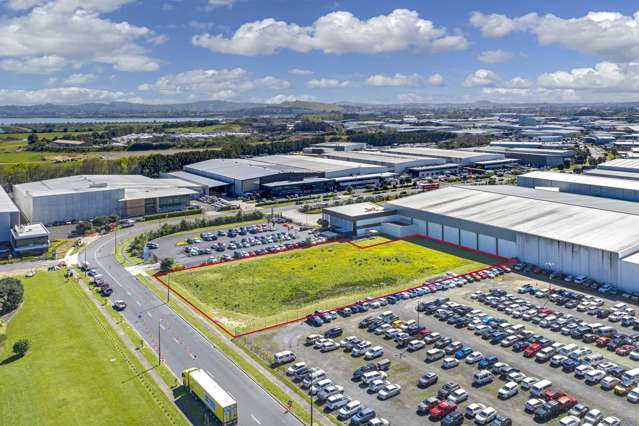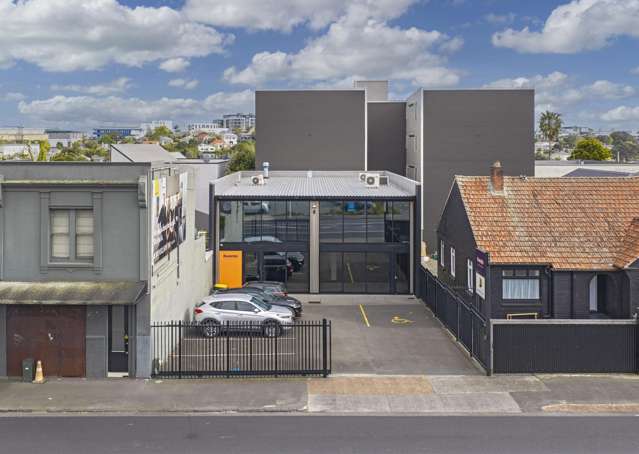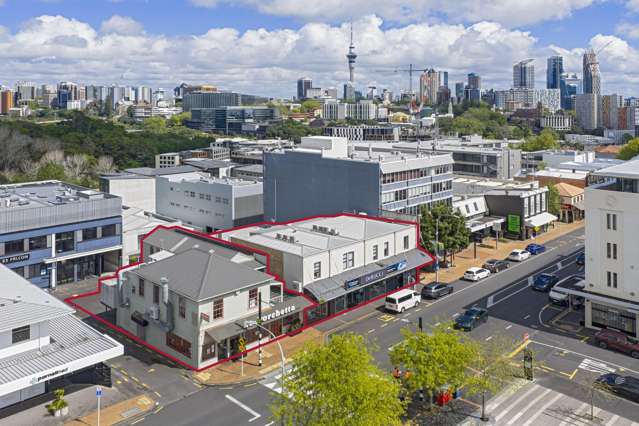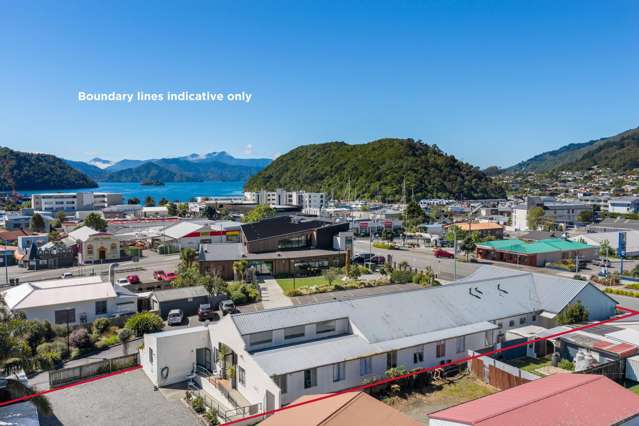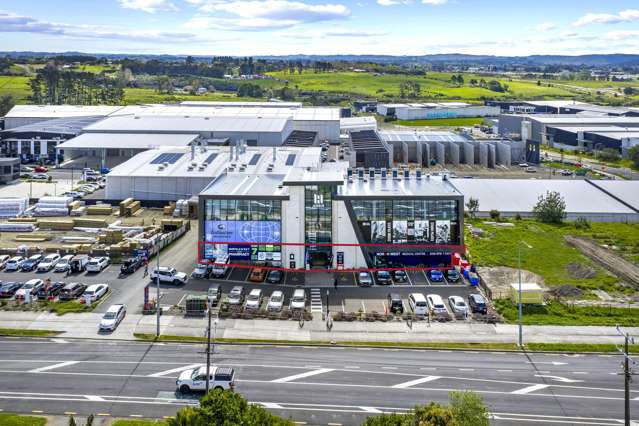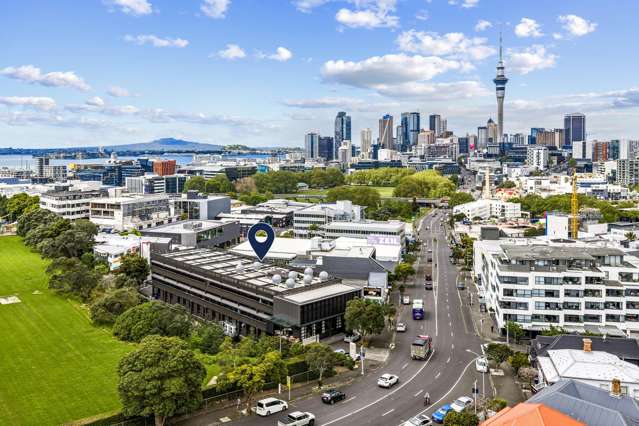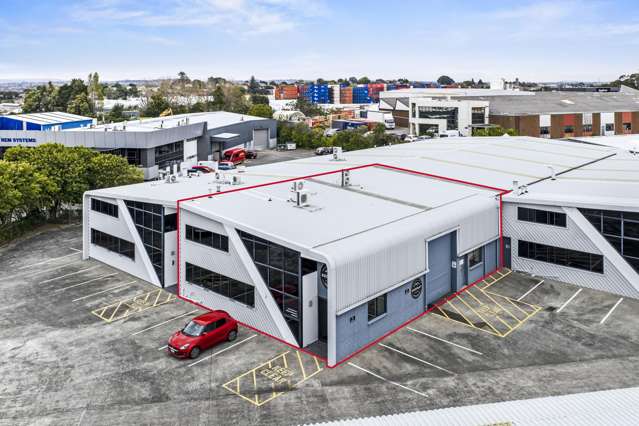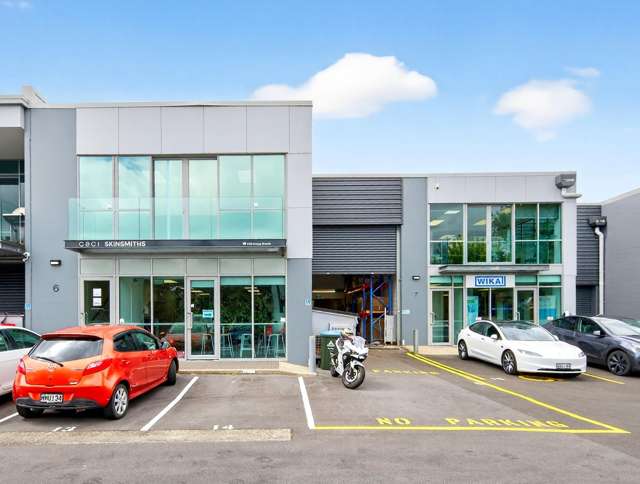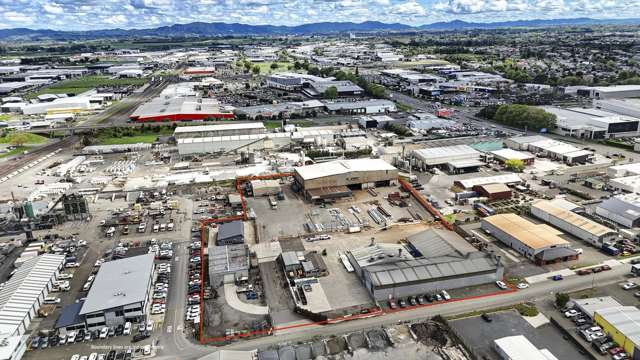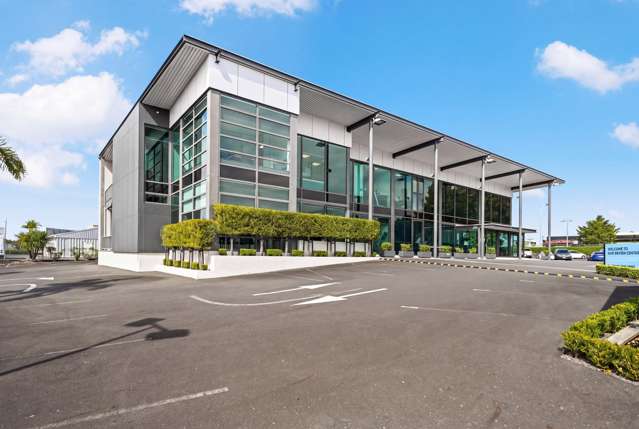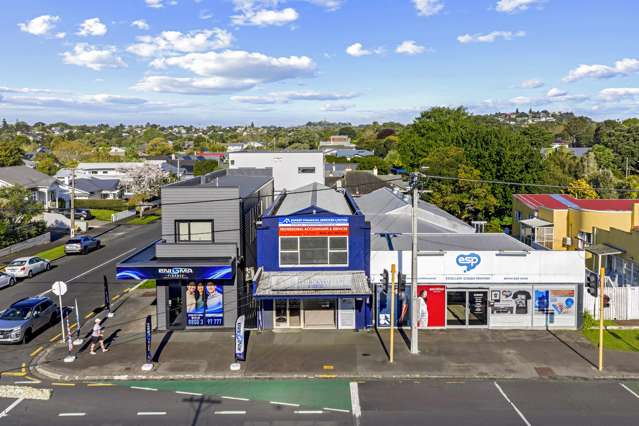
The office vacancy rates for two Auckland city fringe hubs have fallen recently, according to the latest research from Colliers.
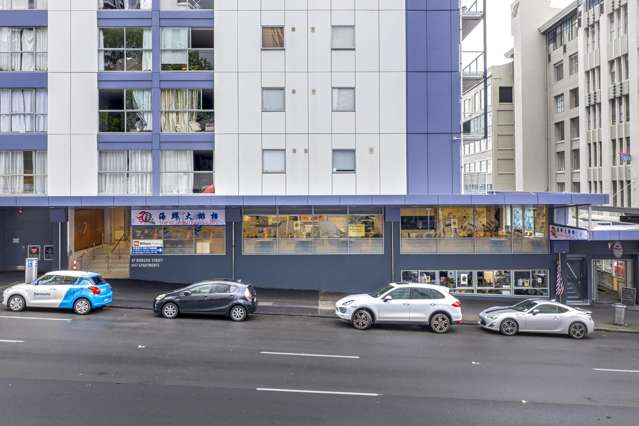
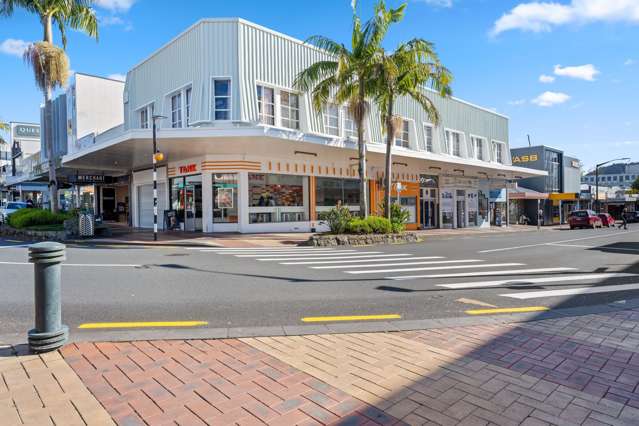
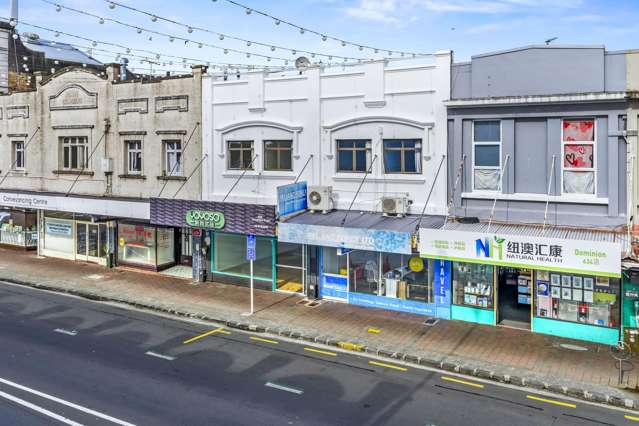
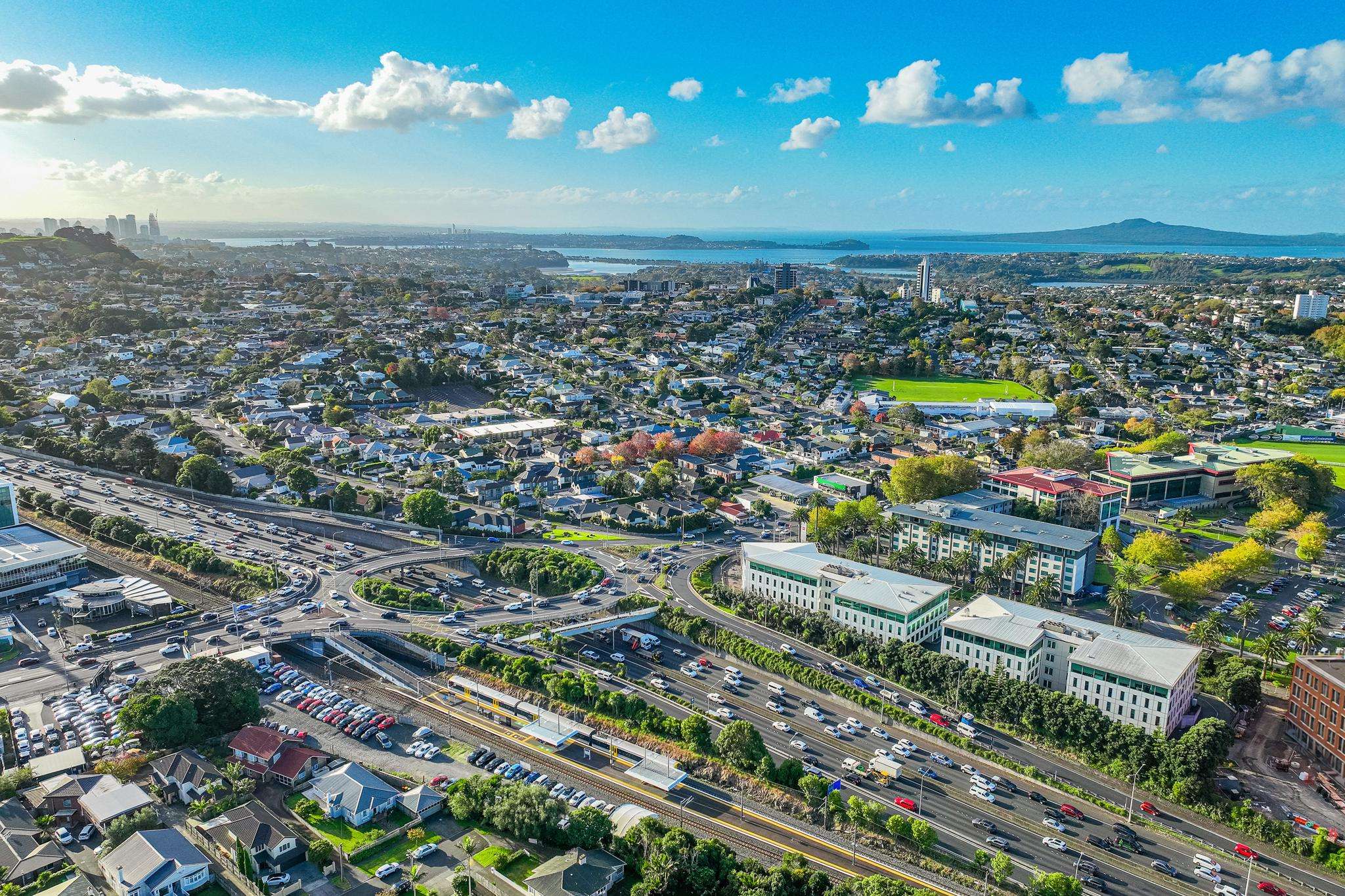
City fringe locations Karangahape Road and Newton saw their vacancy rates drop by 3.3 and 2.2 percentage points between March and September, respectively.
As outlined in the Auckland Metropolitan Office Essentials report that was recently released by the Colliers Research & Economics team, these areas are potentially benefiting from the development of the City Rail Link, which opened in September.
Charlie Stow, Director of Office Leasing at Colliers, says public transport accessibility has become a more important factor in where businesses choose to locate to attract and retain staff.
Start your property search
“City fringe areas are strengthening as viable alternatives to the traditional CBD, offering relatively lower occupancy costs while benefiting from enhanced accessibility,” Stow says.
“There are projected positives from the City Rail Link coming online and the current supply of office space means tenants have an array of opportunities to explore.
“Meanwhile, incentives have been broadly stable for prime space over the past 12 months, although landlords are increasingly offering higher incentives to secure and retain tenants, particularly for secondary assets. Landlords may also look to upgrade secondary stock to appeal to tenants.”
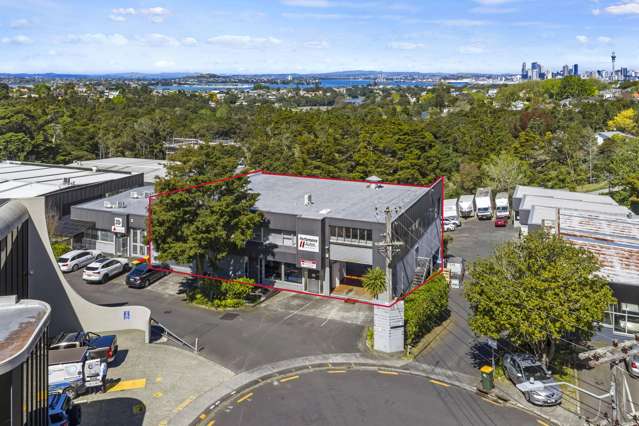
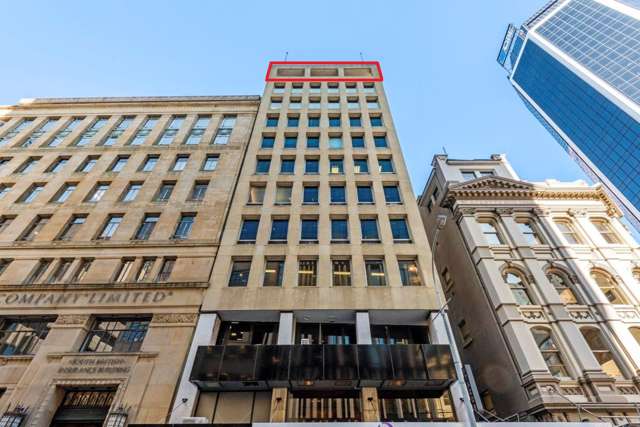
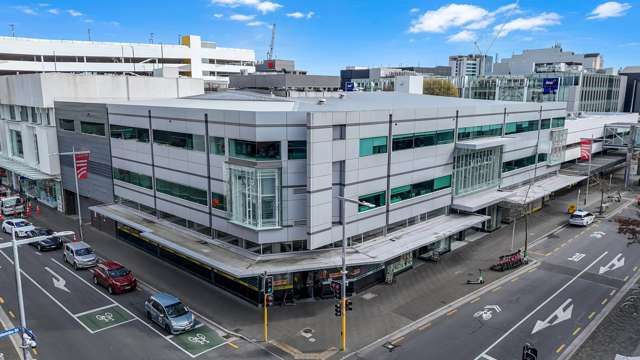
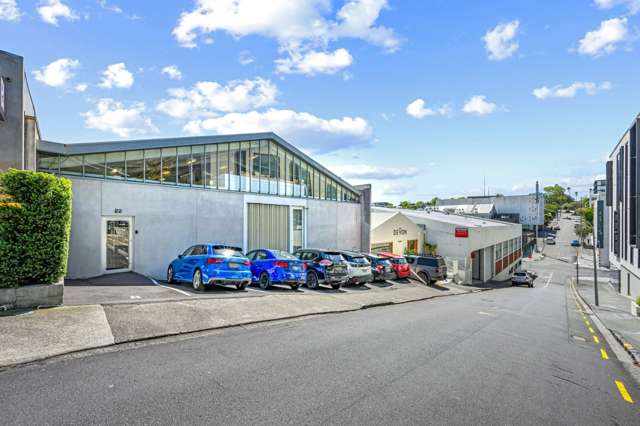
Stow and his colleagues Rob Bird and Jackson Jarvie are leasing space at 21 Pitt Street, an asset that is undergoing a significant refurbishment and offers incoming tenants a high level of connectivity, with the Karanga-a-Hape Station approximately 500m away.
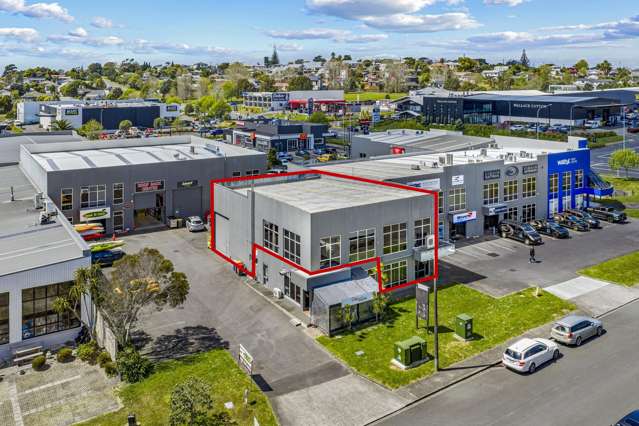
The research from Colliers found that across Auckland, the overall vacancy rate in the metropolitan market, which includes fringe and non-CBD areas, rose slightly from 8.4 per cent to 8.7 per cent.
Hamish Fitchett, National Director of Research & Economics at Colliers, says the absorption of vacant space has been stronger in prime stock, while demand continues to be softer for secondary space.
“Prime city fringe vacancy was 6.3 per cent in September 2026. Locations that provide quality fitted space and are supported by better accessibility and amenity are seeing greater leasing activity than some other precincts,” Fitchett says.
“The office sector is among the strongest potential beneficiaries of the City Rail Link as the new transport infrastructure continues to see positive uptake among Aucklanders.”
Looking at the supply side of the equation, Fitchett says the stock of Auckland metropolitan office space has experienced modest growth through the second half of 2026, with a number of projects under construction or undergoing refurbishment reaching completion.
“Total metropolitan office stock increased by approximately 1 per cent between March and September this year, with some projects recently completed and others nearing delivery, including the Fisher & Paykel headquarters in Penrose, 9 Marewa Road in Greenlane, and 75–77 Remuera Road.
“Building consents for office development across Auckland have been selective, with activity focused on a small number of local boards. Among these local boards, Albert-Eden recorded the highest level of building consent activity for the year ended September 2026 in terms of floor area, accounting for around 42 per cent of the total building consents. Overall, however, new supply remains limited.”
- Supplied by Colliers