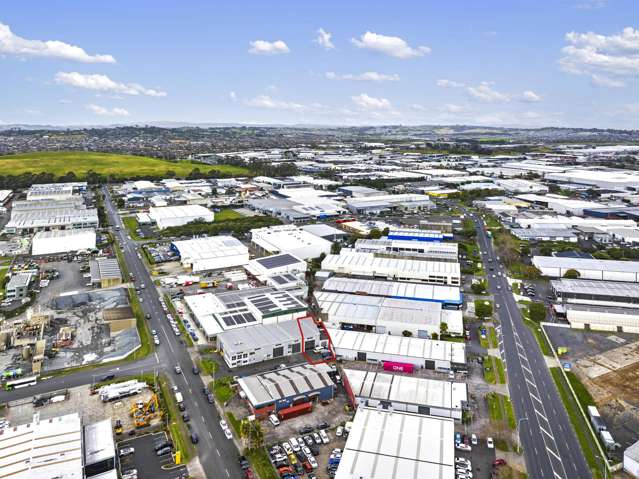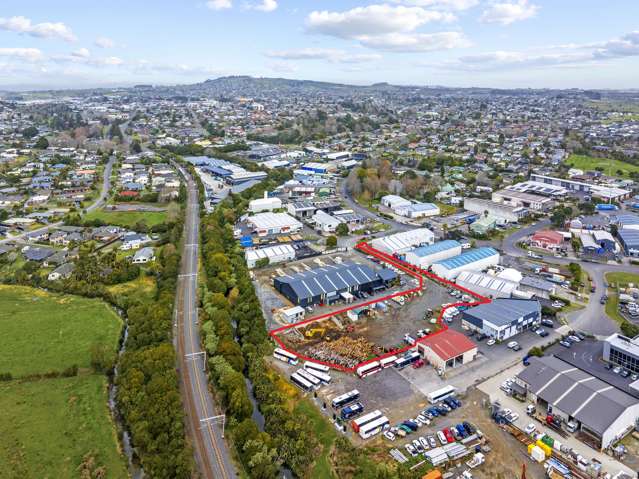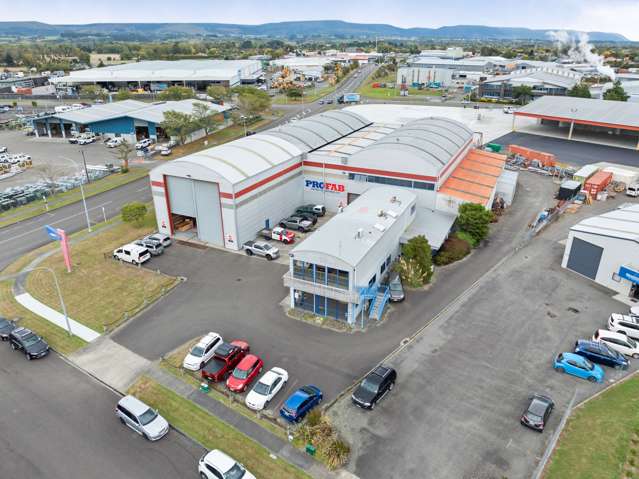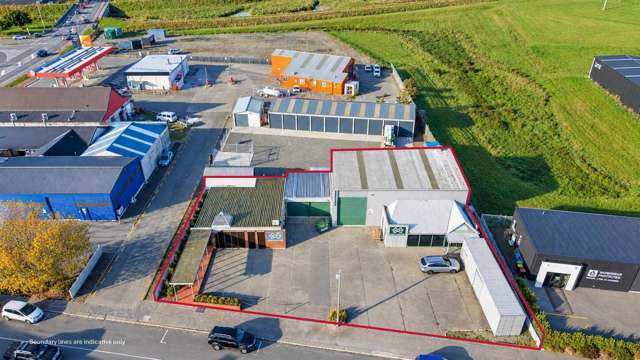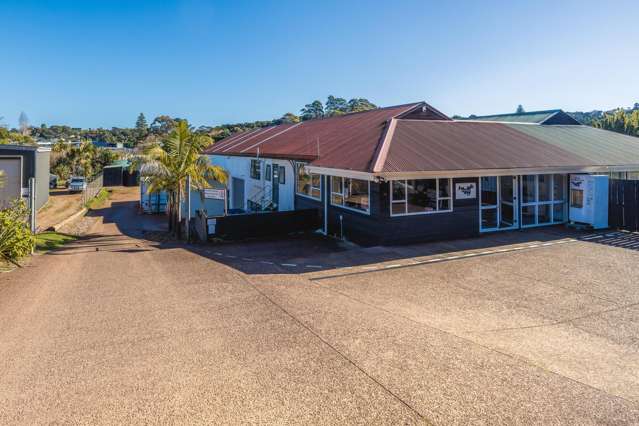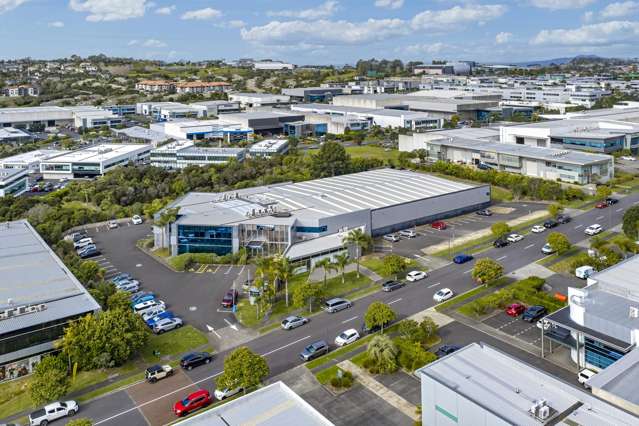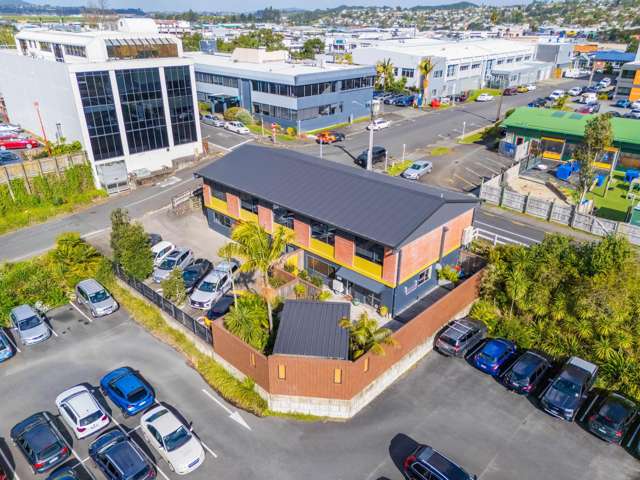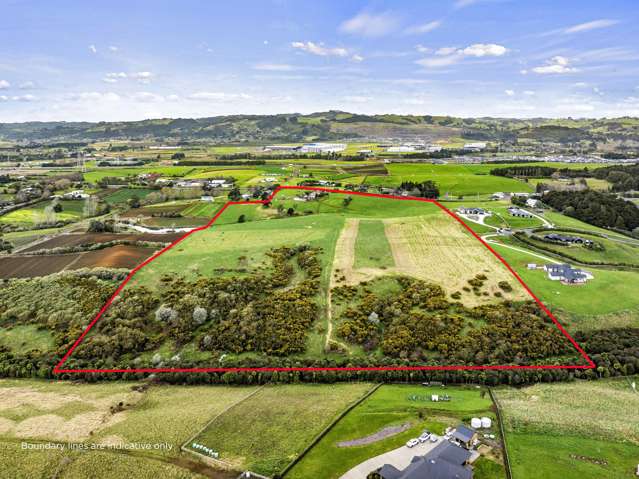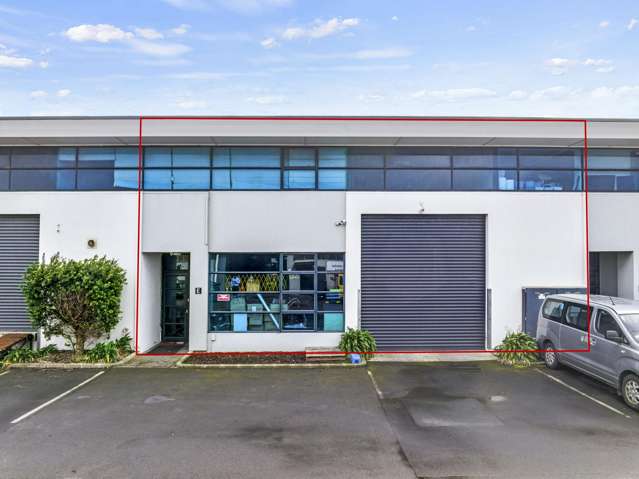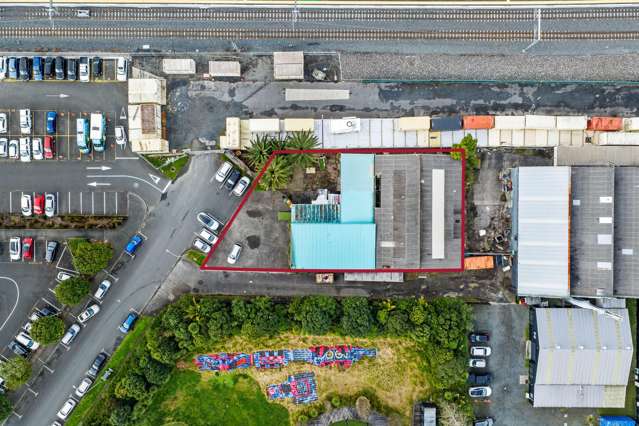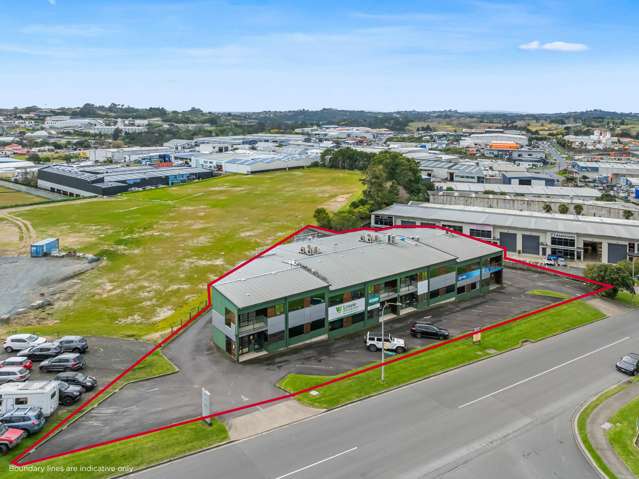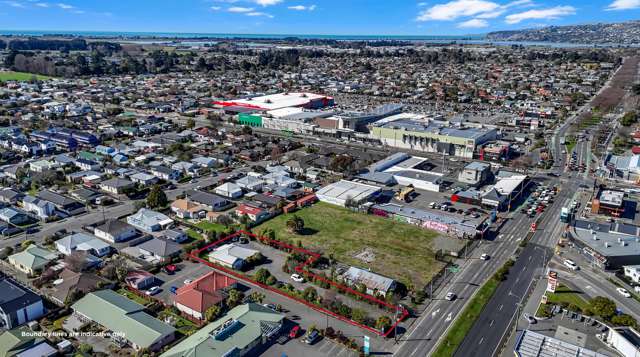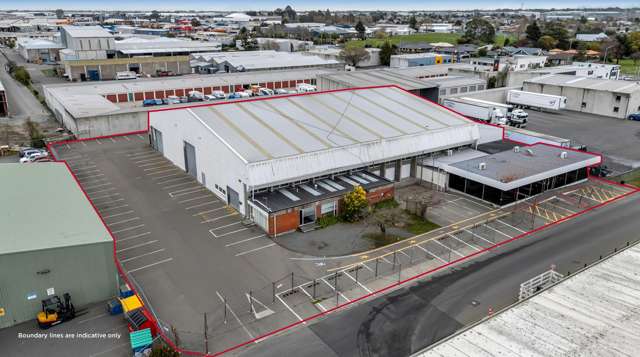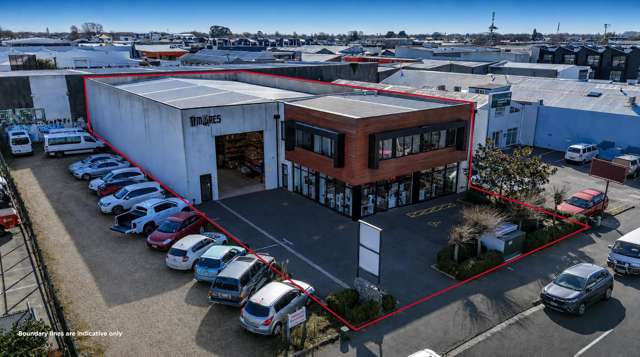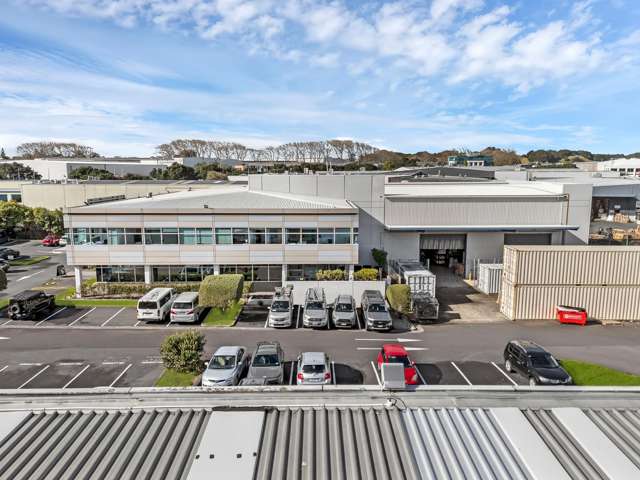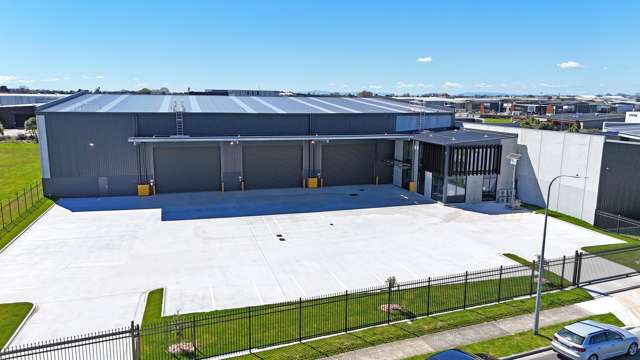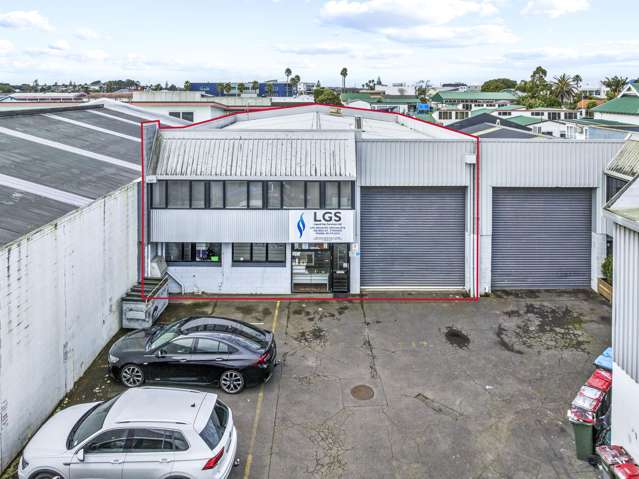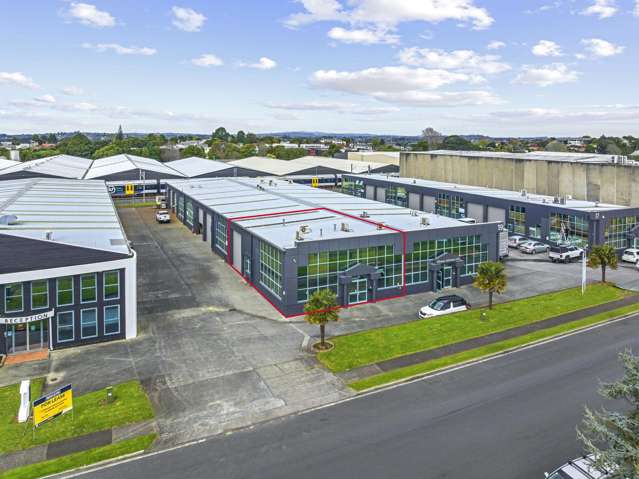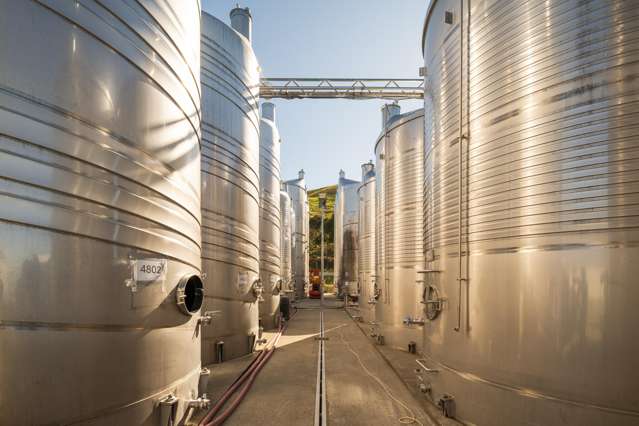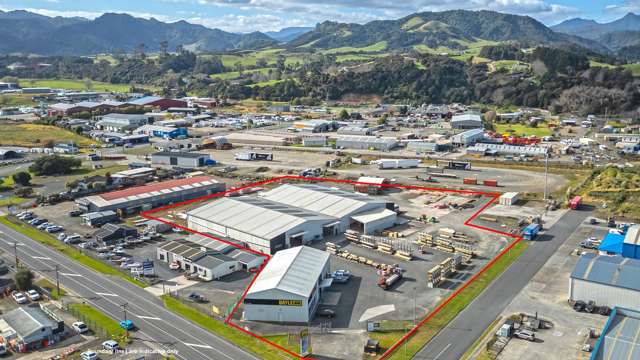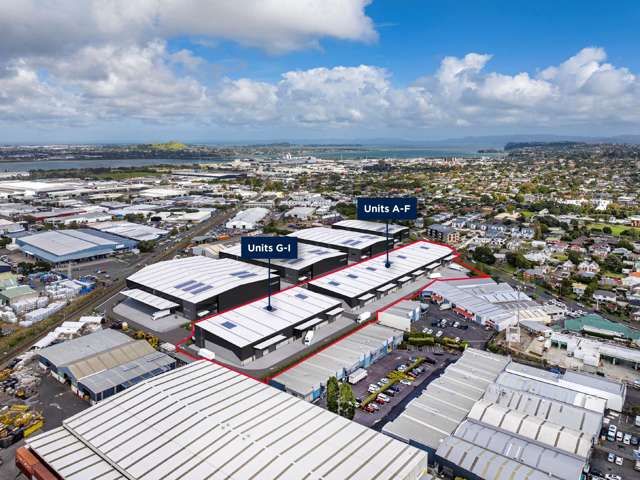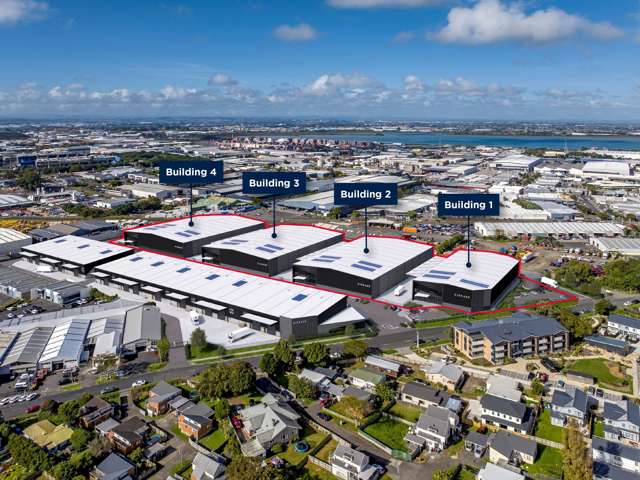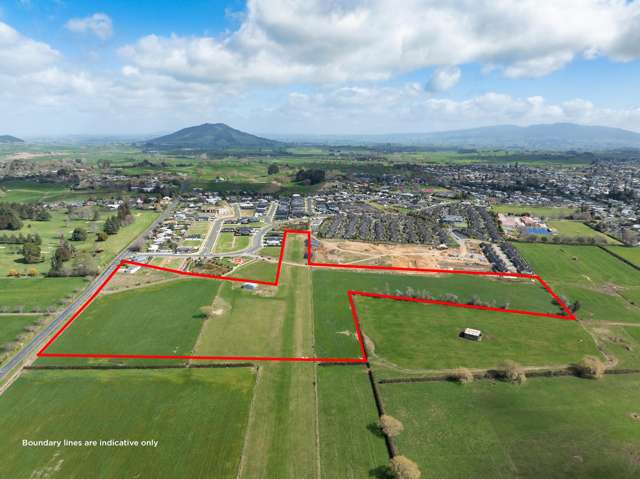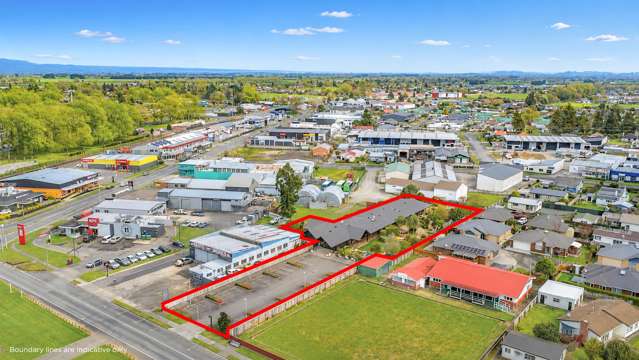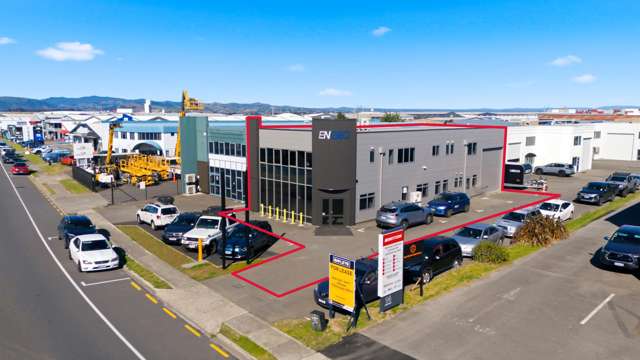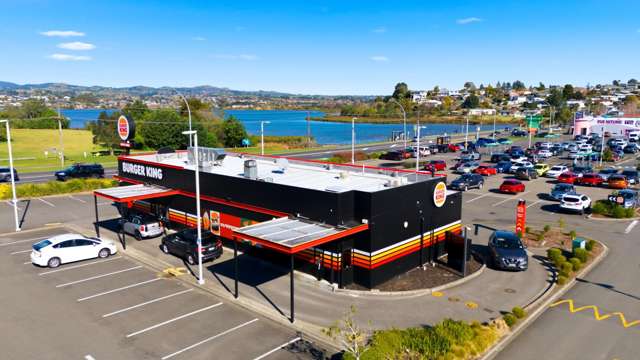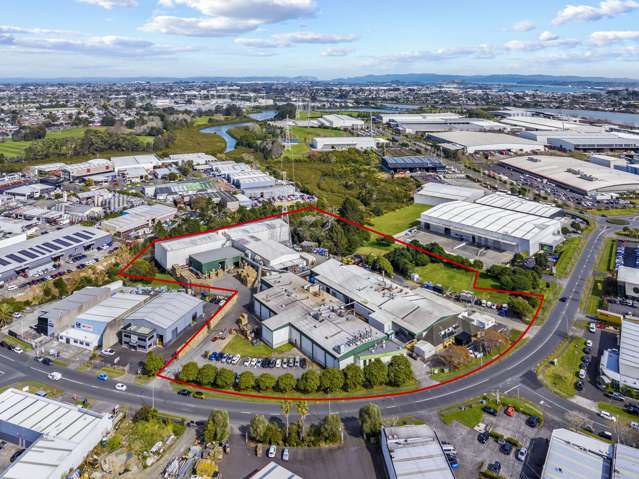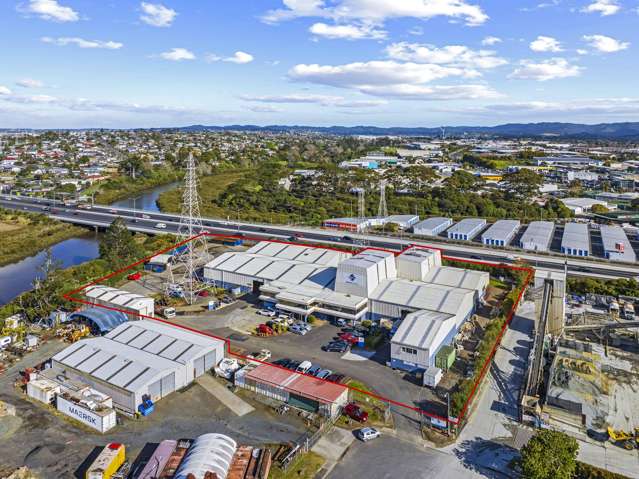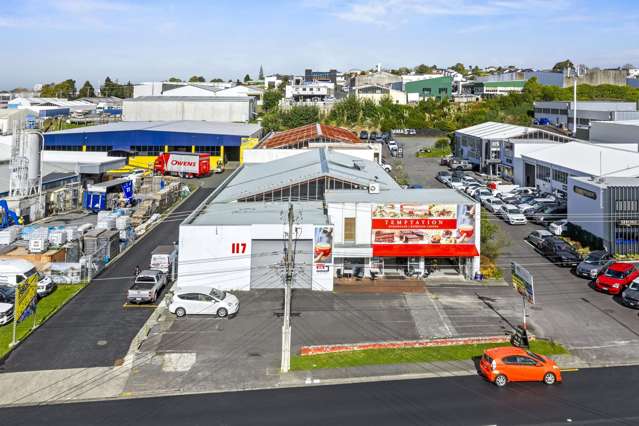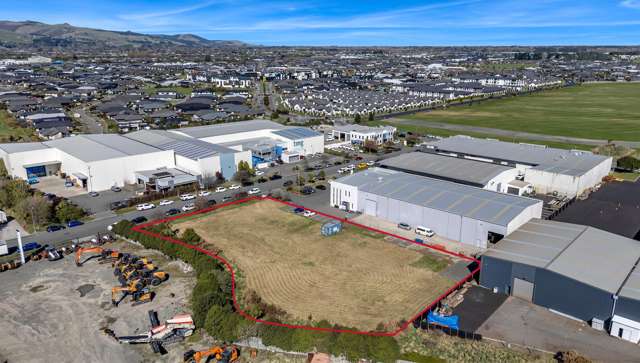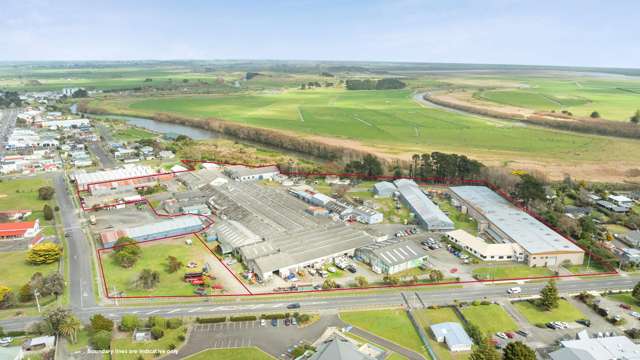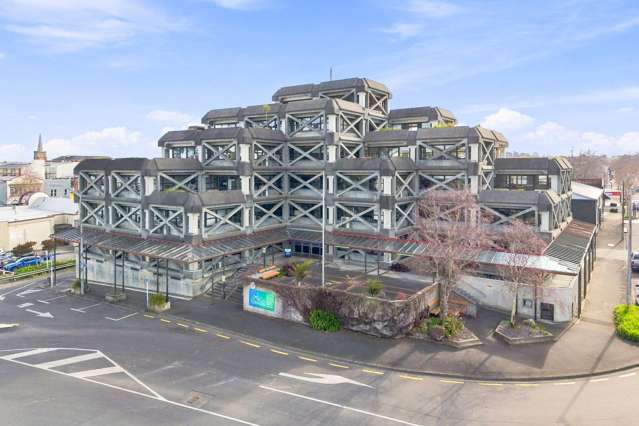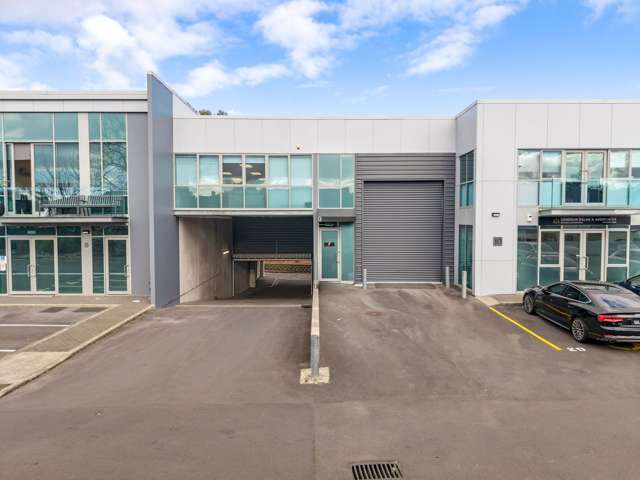

The industrial and logistics area of the commercial property sector is boosted by this year’s Budget, according to analysis from the Colliers Research & Economics team.
Investment into significant region-specific capital commitments to supply chain infrastructure and energy security, alongside incentives for business and a focus on supply chain security, will help sustain occupier demand over the medium to longer term.
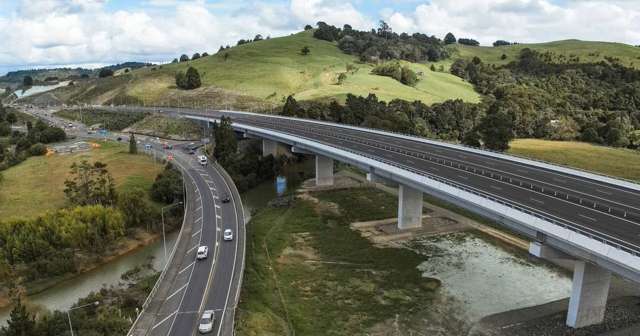
Some of the key spending initiatives announced in last month’s Budget include $1.8 billion in capital for the Cambridge to Piarere expressway, $1.2 billion for rail networks, which includes money for KiwiRail network improvements and metropolitan rail renewals, $400 million for State Highway resilience projects targeting vulnerable regional routes, and $150 million to increase strategic fuel reserves.
Hamish Fitchett, National Director of Research & Economics at Colliers, says improved infrastructure investment is necessary for achieving long-term productivity growth and delivering the conditions needed to boost a growing commercial property market, particularly within the industrial and logistics sectors.
Start your property search
“The Cambridge to Piarere expressway is a regional market driver. It will improve freight transit times and efficiency, reinforcing the Waikato region as a key national logistics hub.
"This is likely to support industrial land demand and warehouse development across the corridor over time, further strengthening the Golden Triangle's relative appeal,” Fitchett says.
“Resilience upgrades across State Highways are expected to improve the reliability of freight movement, supporting industrial activity in regional markets such as the Bay of Plenty, Taranaki, and parts of the South Island, enhancing the feasibility of regional distribution hubs.
“The $150 million strategic fuel reserve mitigates supply chain shock risks for heavy industrial and transport occupiers. This operational stability, alongside energy transition loans, supports long-term tenant retention and facility investment across the national industrial sector.”
The investment in rail will see $705 million in capital funding and a further $477 million in operating funding to renew and upgrade New Zealand’s rail network.
Of this, $107 million has been set aside to specifically fund an additional year of overdue metropolitan rail renewals in Auckland and Wellington.
Much of this transport funding will contribute to greater connectivity across New Zealand’s economic Golden Triangle of Auckland, Hamilton, and Tauranga.
Jenson Varghese, Director of Strategic Advisory at Colliers, says investment into the rail sector and the Golden Triangle’s transport network will strengthen New Zealand’s core freight corridors and support long-term industrial growth.
“These new investments are on top of an existing pipeline of infrastructure spending, funded in previous Budgets or from government agencies’ balance sheets.
"In total, around $60 billion is expected to be spent on infrastructure across the country over the next four years,” Varghese says.
“Investment into infrastructure that enhances connections between our cities and towns will underpin economic growth and drive demand for commercial properties.”
Pritika Chand, Senior Research Analyst at Colliers, says the Government is dedicating $34.2 billion in operating spending to the health system next year, supported by a $5.5 billion boost to address frontline pressures.
Crucially for the property sector, the Budget allocates $682 million in capital for health infrastructure.
“There is also a $1.6 billion injection in operating funding for schooling and early childhood education, alongside $470 million in capital investment to support school redevelopment, expansion, and new sites, supporting regional development activity.”
Todd Jones, Managing Director at Colliers Project Leaders, says the progress on RMA reform alongside continued infrastructure investment should improve consenting certainty and help unlock projects that have been challenging to advance.
“Increased capital spend in health and education will support a more consistent construction pipeline and underpin activity in the regions.”
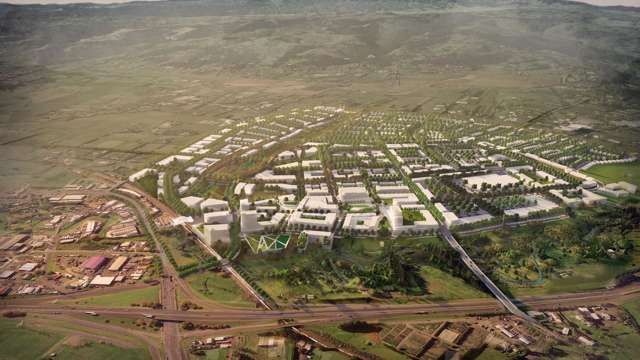
The Budget also introduced targeted measures aimed at improving development feasibility and unlocking housing supply, with a focus on infrastructure funding, planning reform, and council financing tools.
These initiatives are expected to support development land activity and project viability, particularly in growth areas, although outcomes will remain dependent on implementation and cost conditions.
- Supplied by Colliers