ANALYSIS: Forecasts are flying thick and fast regarding how the war in Iran will affect our economy, our personal finances, interest rates, share prices and so on. In this sort of environment, where people tend to run towards the worst scenarios and prioritise certainty of bad things over continuing uncertainty, it pays to remember something important.
Every forecast made at the start of the Covid pandemic, in early 2020, was wrong. Sharemarkets did not collapse and stay down, unemployment did not soar, house prices did not plummet, and our economy did not take 3-5 years to regain its pre-Covid size.
These errors didn’t occur just because of the excessive stimuli applied to our economy by the Government (fiscal policy) and the Reserve Bank (monetary policy). They occurred because we adapted to the terrible challenges thrown at us. We couldn’t spend on overseas travel, so we binged on home renovations and hard items like cars, canoes, and spas. We couldn’t work as often alongside other people as before, so we transitioned to telecommuting.
How might we adapt to this latest challenge of uncertainty about elevated prices for oil-based products and worries about physical shortages? Whatever the adaptations are, they won’t be as great as during the pandemic. Why? There are several reasons.
Start your property search
First, the borders are not being closed. This means the important international travel sector will remain, though with some easing off probable because of airfare increases and disruptions to flying routes.
Discover more:
- Tony Alexander: Iran war - time may be running out to lock in lower rates
- 'True local legend': Iconic roadside castle up for grabs on Auckland's border
- TV chef Michael Van de Elzen selling his cooking school and farm
Second, we are all able to continue working as before, children can continue to attend school, students can attend university, and we can shop whenever we want.
Third, we are not starting from a position of existing worries about deflation, as was the case in 2020 when the Reserve Bank had already cut the Official Cash Rate to 1%. Absence of deflation worries is important because if you think prices will fall, you feel incentivised to delay buying things until they become cheaper, by which time you may be out of work, because you are employed by a company involved in consumer product sales.
Fourth, our sentiment is not shattered by worries about mass death and sickness.
Fifth, around the world, the common change in predictions for how the pace of economic growth will change is a cutback of 1%-2% and not massive shrinkage as was the predicted case in 2020.
Instead, what we are dealing with is a hike in the cost of using fossil fuels of uncertain magnitude and duration – something many people would love to see happen anyway by government design as a means of reducing global carbon emissions.
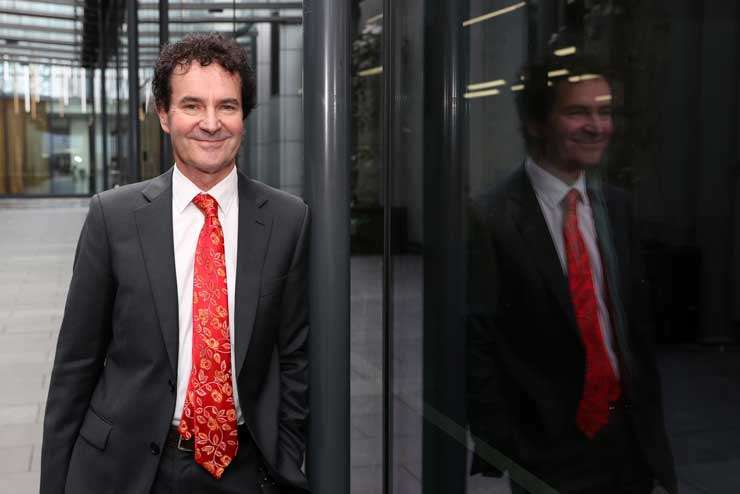
Independent economist Tony Alexander: "More borrowers are likely to favour fixing their interest rates for medium to long-term periods." Photo / Fiona Goodall
We are likely to adapt by cutting back on our car driving and switching to public transport while working more from home and generally travelling less. In our businesses, we will be telling our clients that our prices will likely rise, while at the same time we will be seeking cheaper alternatives to inputs we have been warned will become more expensive.
More borrowers are likely to favour fixing their interest rates for medium to long-term periods rather than short periods because of the extra inflation anticipated and the risk eventually (not guaranteed) of extra monetary policy tightening.
Speaking of which, it pays to remember that the Monetary Policy Committee Remit issued by the Minister of Finance to the Reserve Bank explicitly allows the central bank to “... discount disturbances to inflation that are expected to be temporary in a manner consistent with meeting the medium-term target.”
The Reserve Bank’s focus will be on second-round effects of hikes in oil prices – specifically, how wages respond, and that is something we will not gain insight into for a long time, potentially. That means early monetary policy tightening to suppress inflation is very unlikely.
- Tony Alexander is an independent economics commentator. Additional commentary from him can be found at www.tonyalexander.nz