ANALYSIS: As a columnist, it can be difficult to write something insightful during a crisis like the one playing out in the Middle East. Analysing past economic and housing market data is not that useful because any data we pull will be out of date and won't reflect the daily fluctuations in oil and energy prices.
That means it is dangerous to make any strong statements about what the economy is doing. Similarly, it is dangerous to try to say in any detail where we are headed because we have no idea how high oil prices will go, how long they will stay elevated, what impact they will have on world growth, how much inflation jumps, and the extent to which businesses raise prices to cover higher costs.
But it is equally useless to keep focusing on the uncertain factors in play because such things are already being deeply discussed in the media with no conclusions apparent.
Probably the best thing to do is keep an eye broadly on how our economy was tracking and where it was heading, and grasp any early indicators of changes in direction – but without blindly extrapolating numbers which might change by a lot.
Start your property search
Discover more:
- Tony Alexander: Why the Iran war isn't Covid round two
- Cheap reno cash: Big bank offers 2.5% rate to homeowners
- 'Nasty' fuel price shocks and deserted open homes
It pays to remember that just as none of us had experience of what usually happens in a global pandemic back in early 2020, none of us has fully up-to-date experience of what happens when we have the biggest disruption to global oil supplies ever, according to the International Energy Agency.
The upturn in our economy expected for this year is probably still going to happen, but it will be weaker than projected. Any upside surprises will have to wait until 2027. There will be good support for our growth from high farm incomes, the lowering of interest rates from 2024 highs, rising foreign student numbers, higher infrastructure spending, an upturn underway in house building, and slowly improving net migration flows.
But the pleasing growth in inward tourism, which was underway, is now likely to reverse slightly as people steer their holidays away from long-haul destinations. For house prices, the previously predicted rise of 2% to 5% looks more likely to be zero for another year.
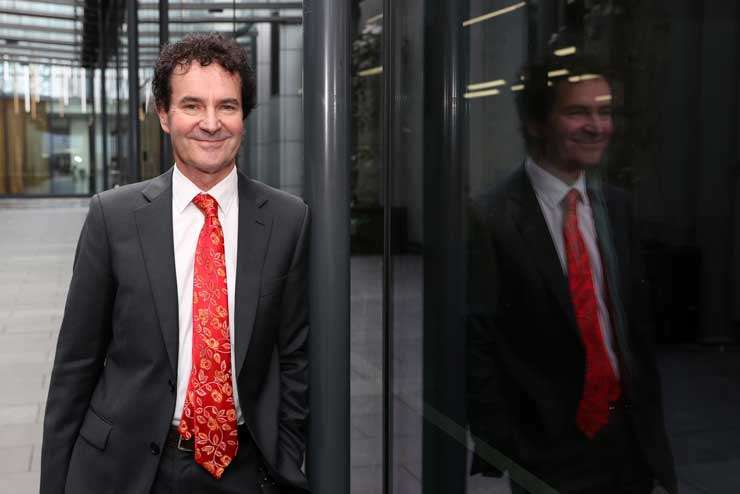
Independent economist Tony Alexander: "Those people who remained floating or on the one-year fixed rate will feel even more financial pain." Photo / Fiona Goodall
For house construction, there is a risk that some of the buildings already consented are put on hold because of newly soaring construction costs, especially in transport and plastics.
For borrowers, the track for interest rates was already upward from the lows seen late last year. Now there will be further rises, and those people who remained floating or on the one-year fixed rate will feel even more financial pain.
Hopefully, people are gaining some understanding of why I so strongly favour fixing 3-5 years when interest rates look like they are at or near their cyclical lows. We can never know how rapid the coming cyclical rise in interest rates will be. As things stand, bank fixed-rate lending margins are about 0.5% lower than average.
The slow rejuvenation of city CBDs will be put on hold for a while, as more people will choose and be encouraged to work from home. That means hard times continuing a little bit longer than expected for inner-city cafes and restaurants. But the improving trend is likely to return fairly quickly once things settle down.
- Tony Alexander is an independent economics commentator. Additional commentary from him can be found at www.tonyalexander.nz