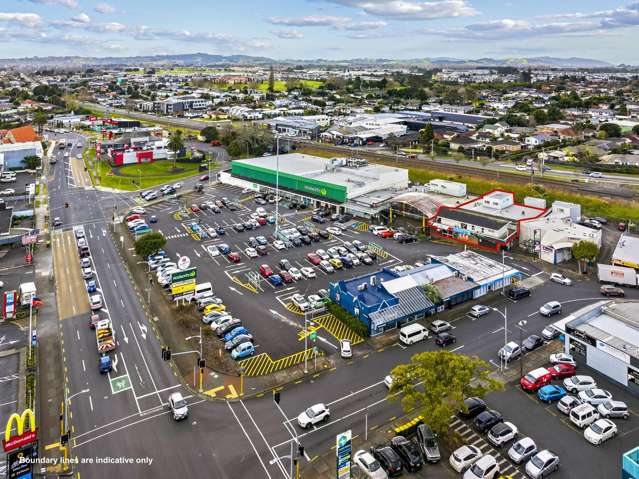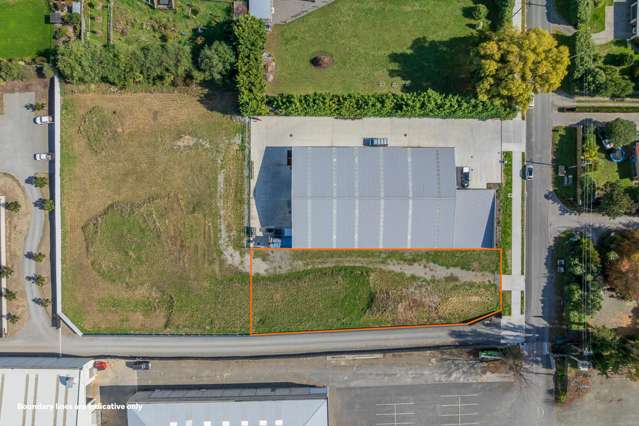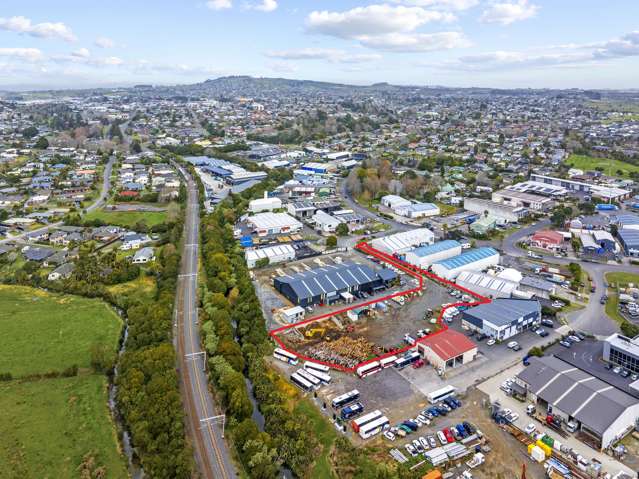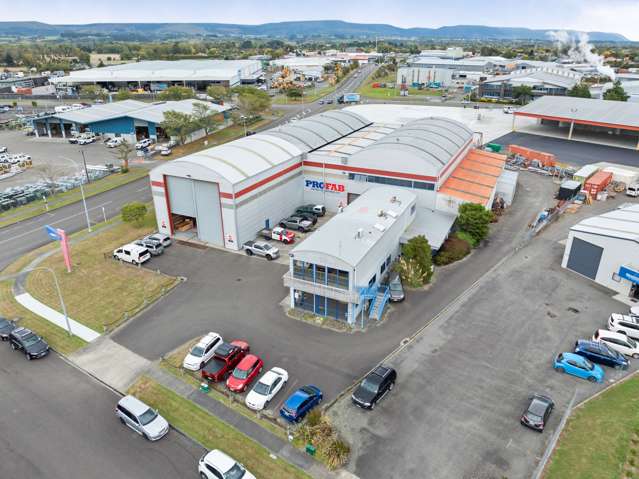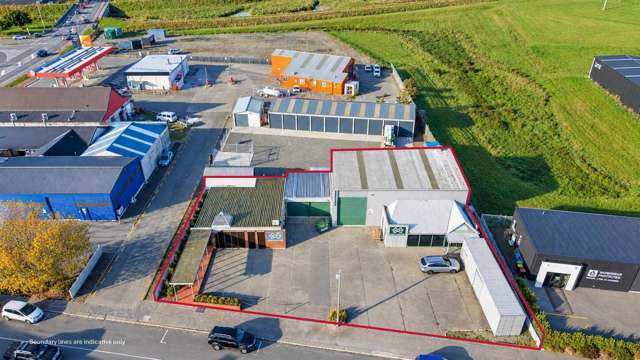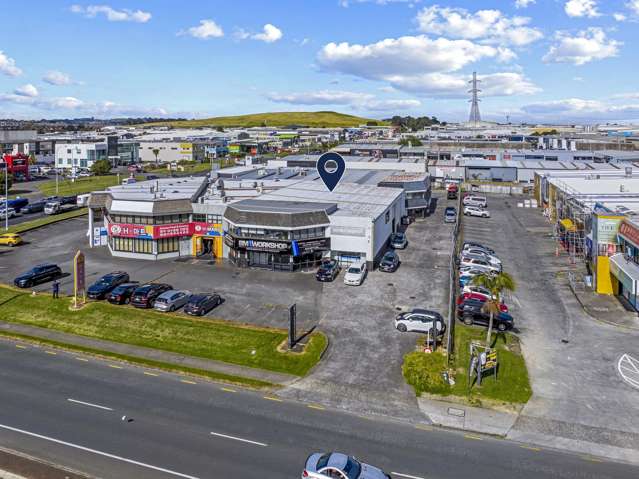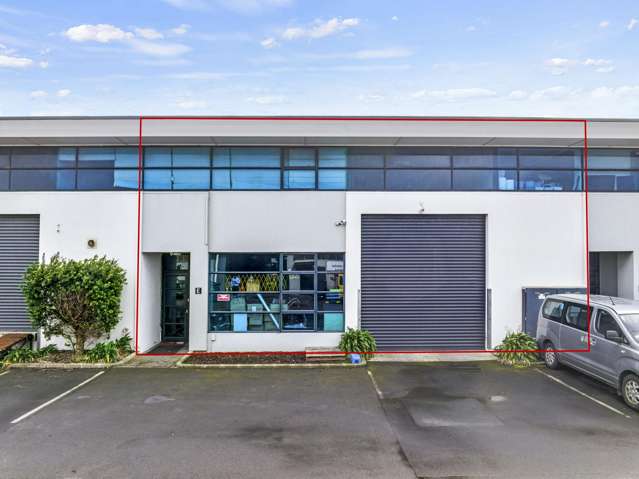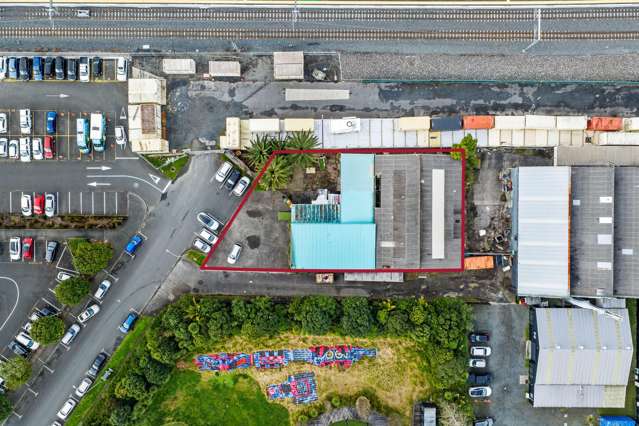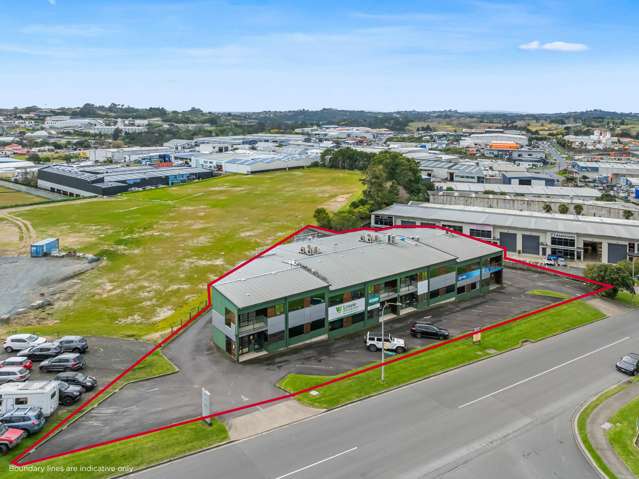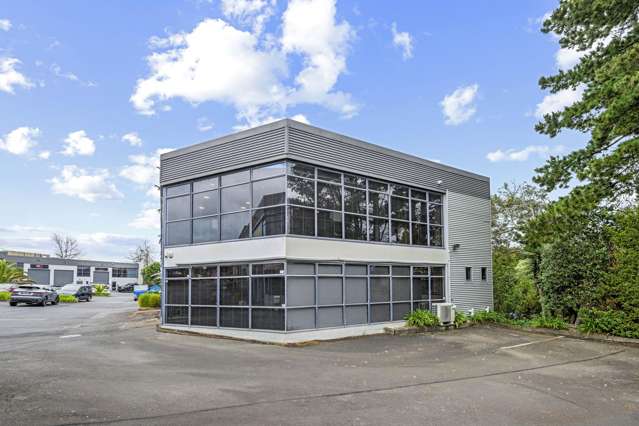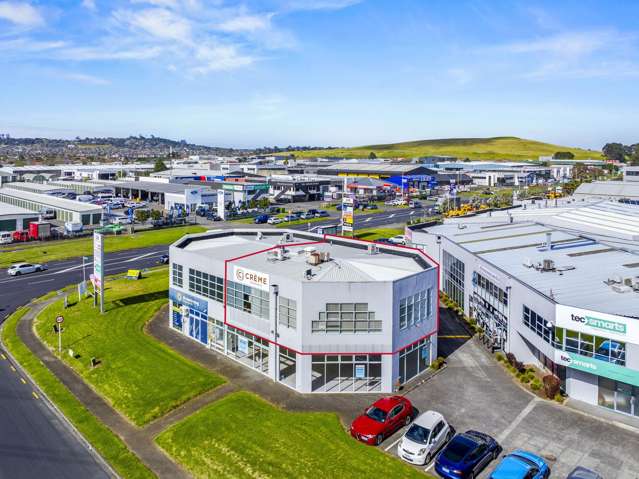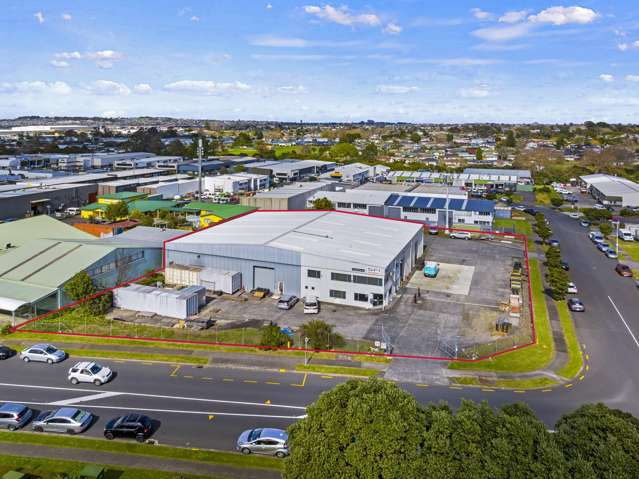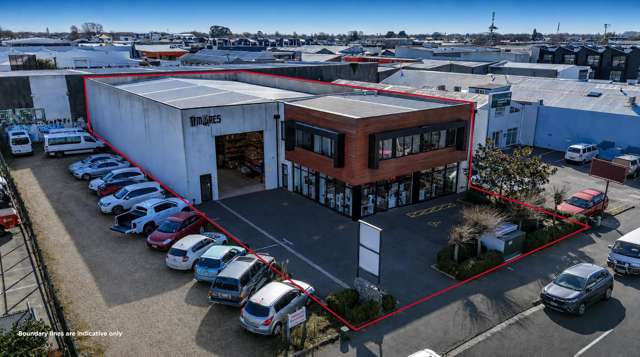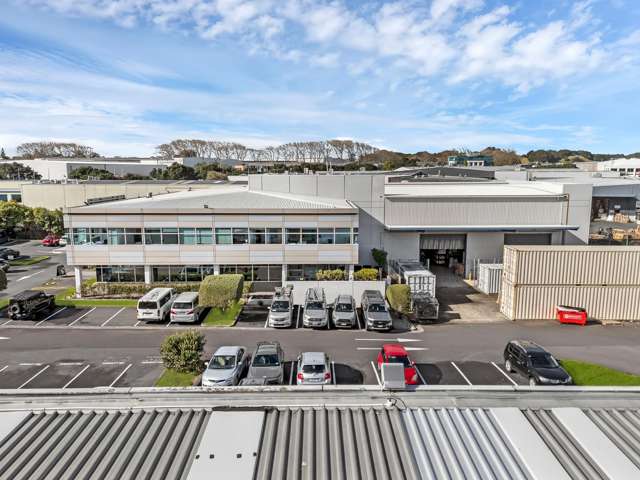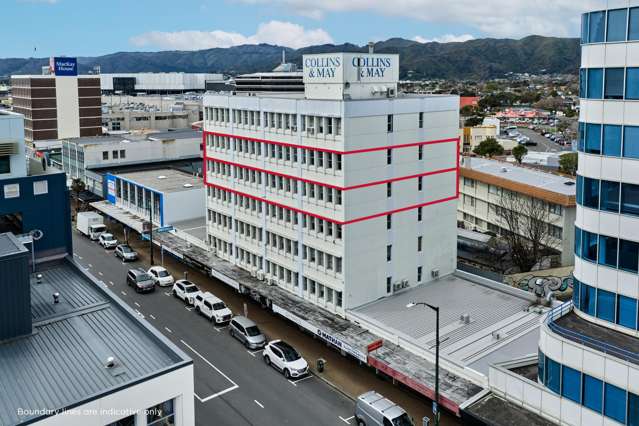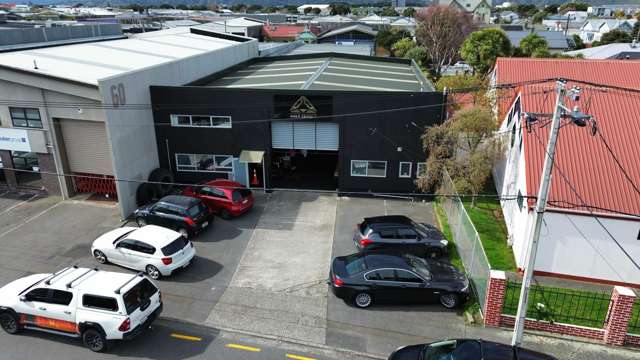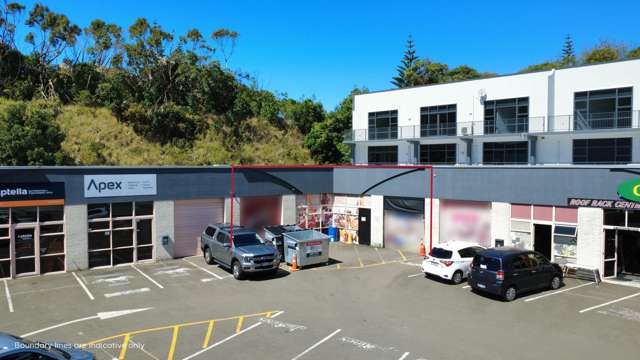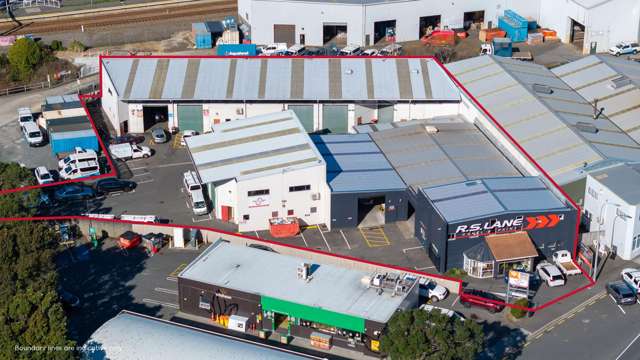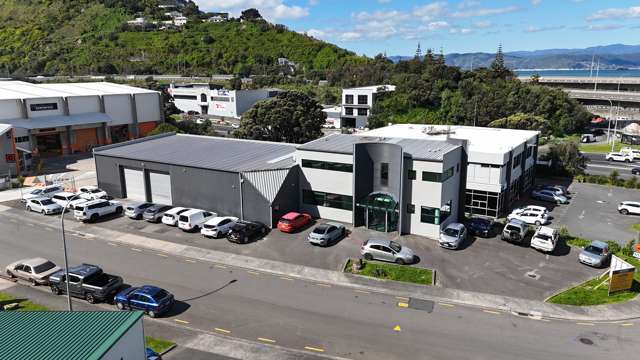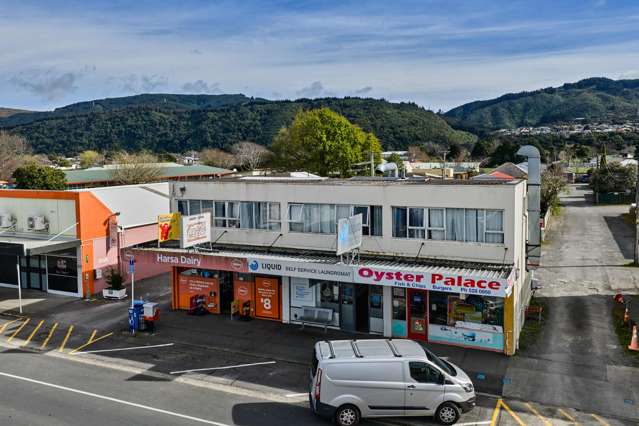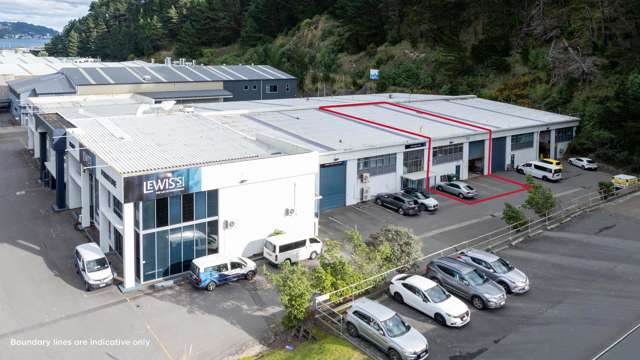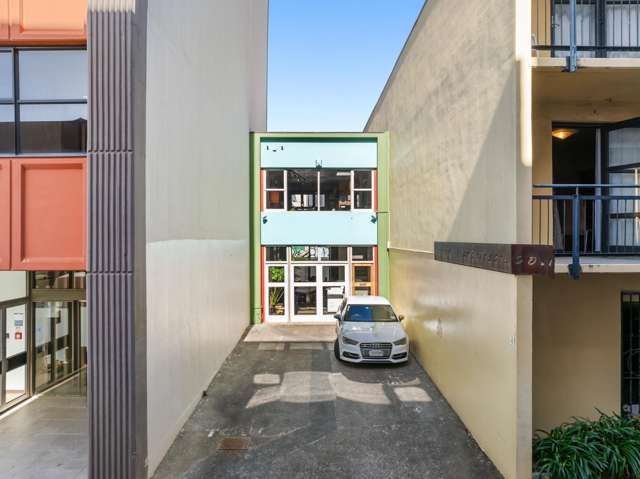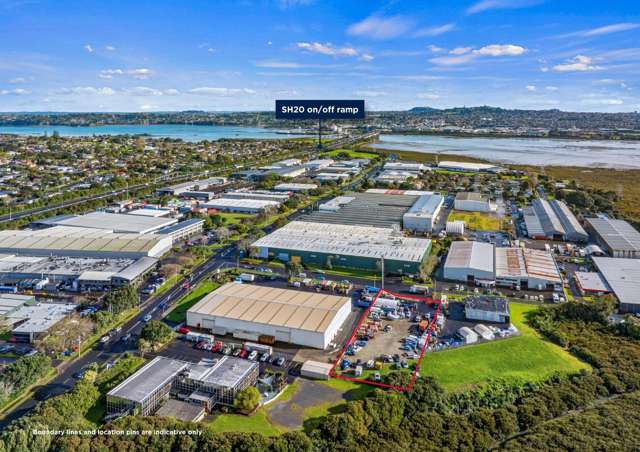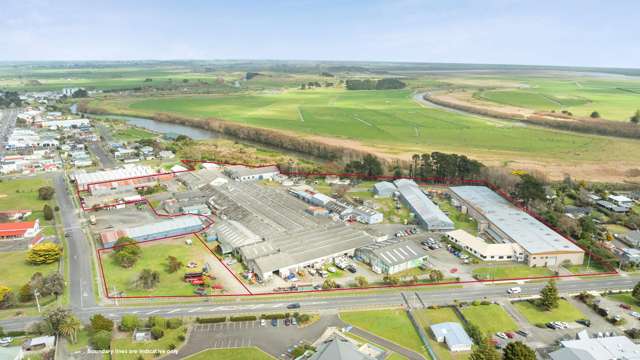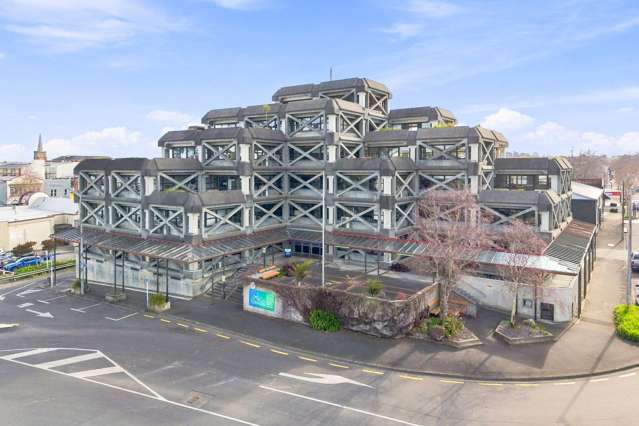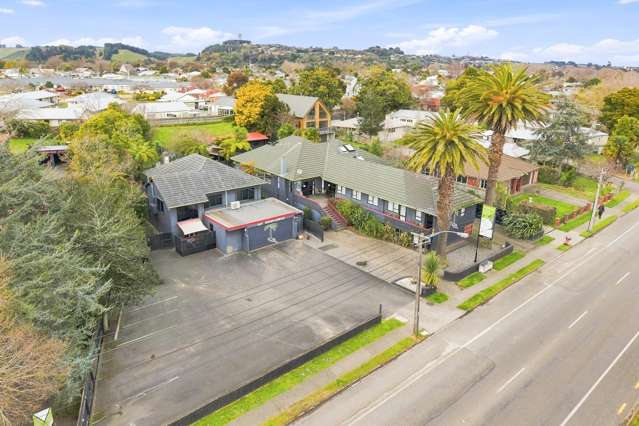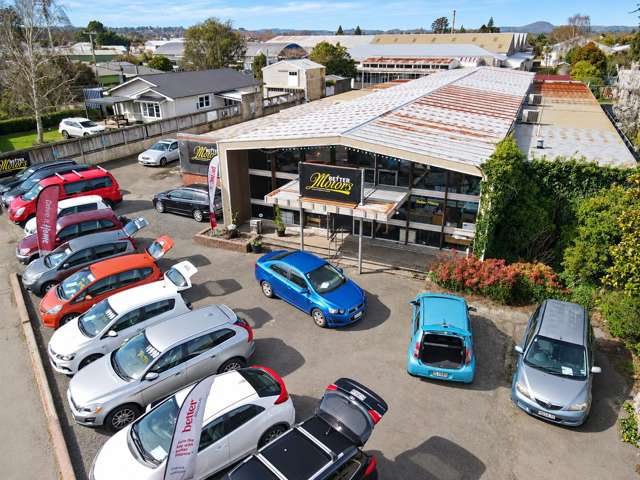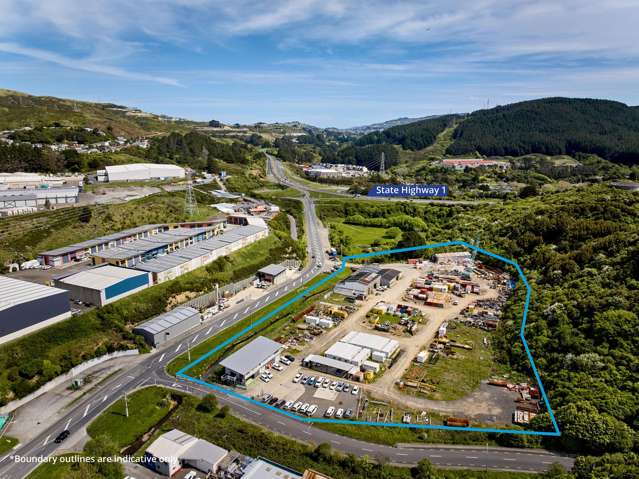
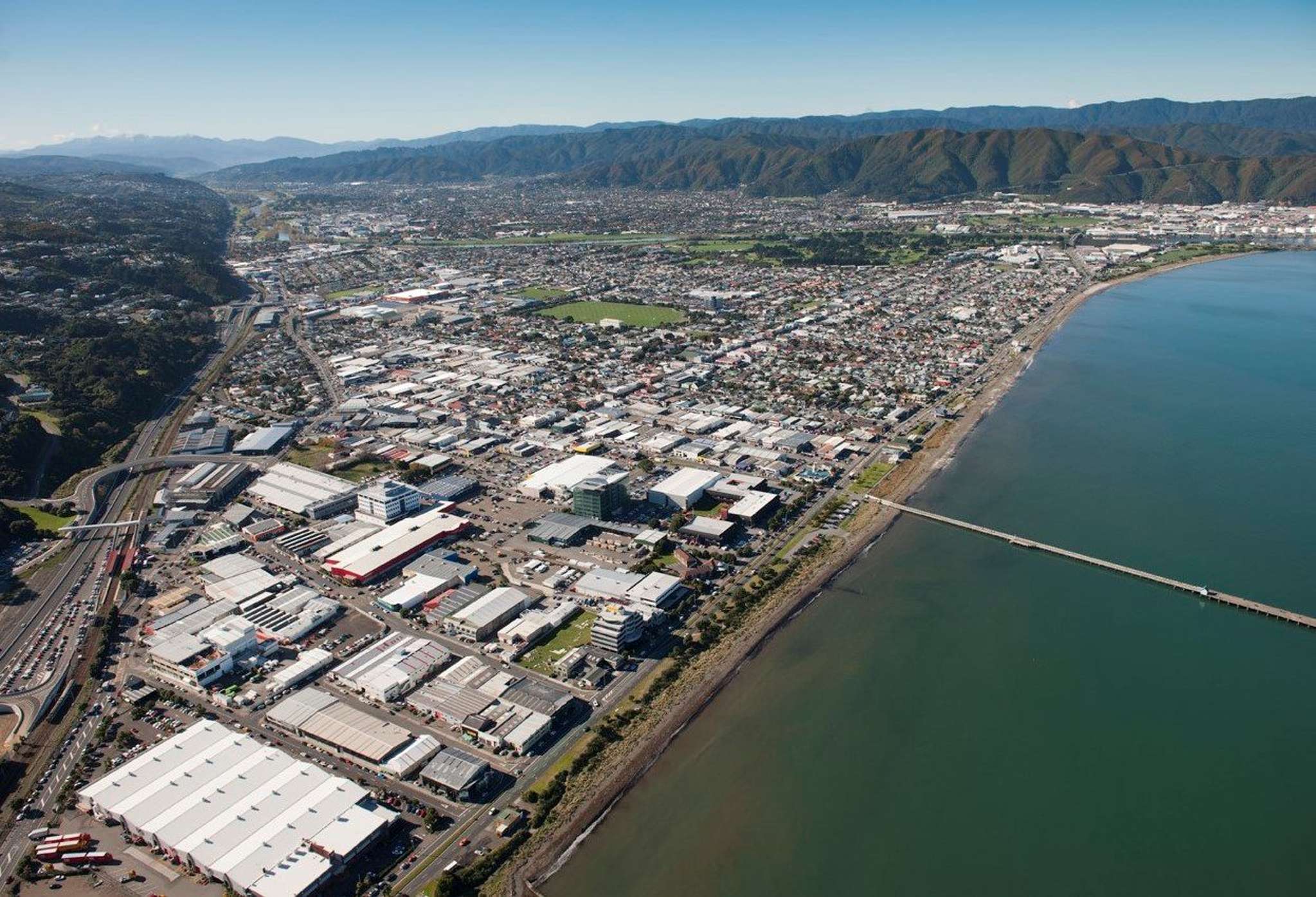
A rise in building consents last year suggests growth in Wellington’s industrial property market is on the horizon, according to the latest research from Colliers.
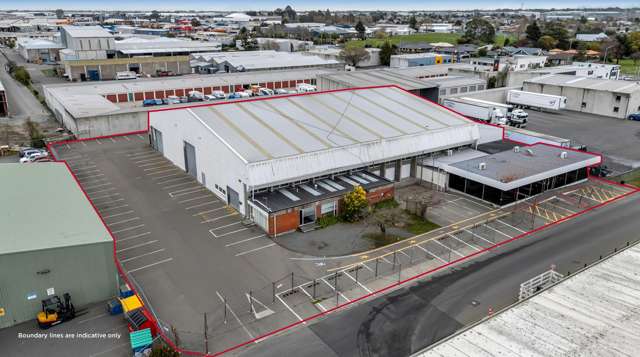
The capital’s industrial market endured constrained supply last year with only modest new additions of industrial space but 38,634sq m of floorspace was approved in 2025. This was more than double the 16,505sq m of space that was approved the year prior.
Consenting data, vacancy rates, and rental figures were all analysed in the recently published Wellington Industrial Essentials 2025 Review.
Hamish Fitchett, National Director of Research & Economics at Colliers, says with interest rates dropping to cyclical lows last year, building consent activity showed a clear lift.
Start your property search
“However, this increase has yet to flow through to completed developments, and the forward development pipeline remains light.
"Large warehouse projects intended for leasing are still limited across Wellington, highlighting the constrained supply of new?build options,” Fitchett says.
“As a result, most market growth is occurring through refurbishments, upgrades, and the reuse of existing sites rather than major new construction.
“These trends are likely to continue through 2026, with steady but measured supply growth as the market adjusts to the current development environment. High oil prices are pushing up interest rates meaning some development activity may slow.”
Supply growth was limited in 2025, although significant new builds were completed in Grenada North, Porirua, and Upper Hutt with various small projects completed across the region.
Elevated construction costs and the limited availability of serviced industrial land continue to cap broader expansion.
The overall vacancy rate for Wellington’s industrial market rose slightly to 2.8 per cent in November 2025, up marginally from the 2.4 per cent recorded 12 months earlier.
Jeremy Simpson, Director of Valuation & Advisory Services at Colliers Wellington, says even with the increase, vacancy remains low by historical averages, which is driven by the region’s constrained industrial land supply.
“The increases in vacant space were most evident in Ngauranga, Naenae, and Petone. Ngauranga is a small but desirable precinct, and there were only four vacant tenancies at the time of the survey in November 2025,” Simpson says.
“In contrast, Porirua, Wingate, and Miramar continued to record low vacancy levels, supported by demand for functional warehouse space with strong access to major transport routes.”
Pritika Chand, Senior Research Analyst at Colliers, says occupiers are likely to prioritise efficiency, accessibility, and connectivity when making leasing decisions.
“Demand in the Wellington industrial leasing market is likely to be driven in the short-term future by the significant infrastructure projects underway around the region, particularly in the Hutt Valley with the recent commencement of the $1.5b Melling Interchange and RiverLink project,” Chand says.
After some 14 years of continuous growth in rents, 2025 saw growth flatten with very low tenant demand, which has continued into 2026. Average gross warehouse rents rose 4 per cent in 2025, reaching $185 per square metre, while prime rates increased to $200.
Tim Julian, Associate Director of Industrial at Colliers Wellington, says low rental growth is likely for 2026.
“Tenants who do come to market are frequently struggling to find suitable options due to the low vacancy rate,” Julian says.
“Meanwhile, some stock has been slow to lease due to the lack of tenant interest. So, it is hard to judge whether it is a landlord or a tenant’s market.”
The vacancy rate has remained low compared with previous market downturns and Julian says this may reflect the greater number of industrial properties that are owner occupied in contrast to earlier times.
“From a transaction perspective, activity was greater in 2025 than the previous year but still limited as investors waited for improving economic conditions. While the outlook remains for a steady return of activity, high oil prices do pose a downside risk.”
- Supplied by Colliers