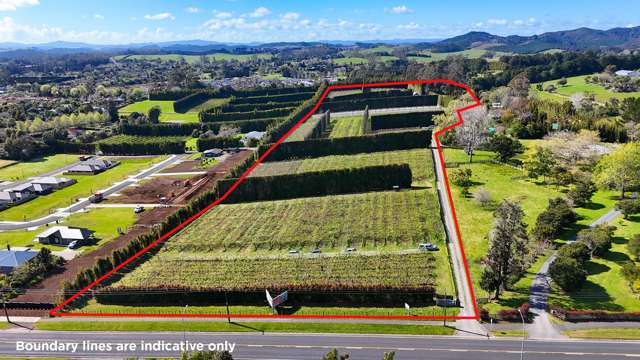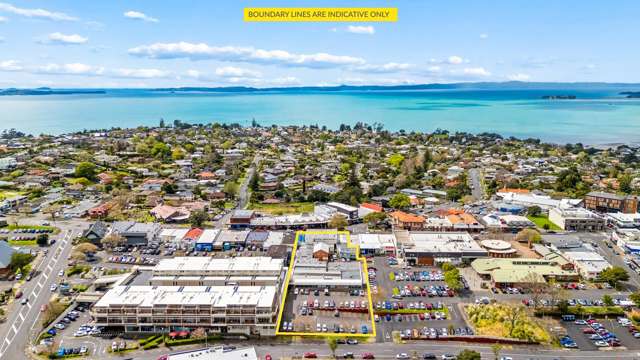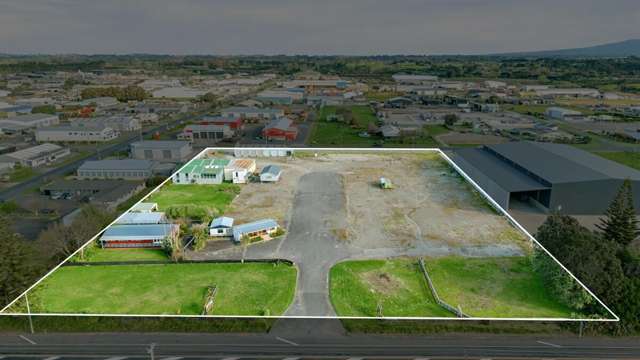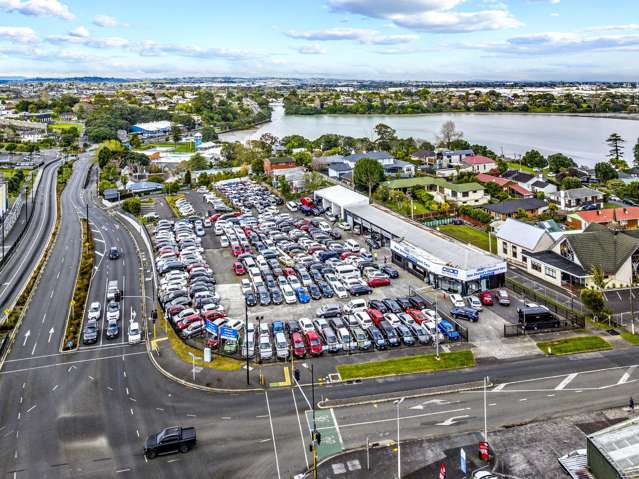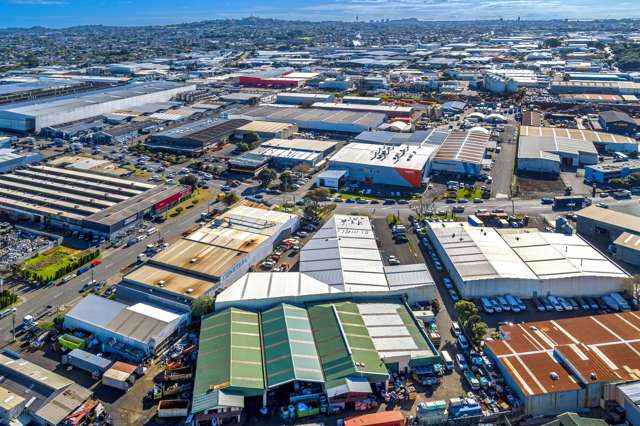
As the industrial property market continues to rebound following a period of high interest rates and lower transaction volumes, a clearer picture is beginning to emerge regarding what assets hold appeal for buyers in the Auckland market.
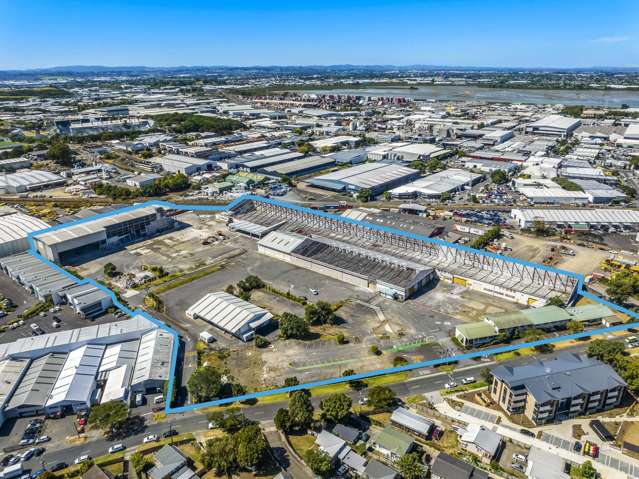
Properties that have add-value opportunities or redevelopment potential have drawn strong interest during the first few months of the year.
Greg Goldfinch, National Director of Industrial at Colliers, says the offerings that have caught the eye often have strong holding income and present buyers with a chance to redevelop it over time, leading to a much-improved asset.
“Many purchasers are seeking A-grade opportunities that meet strict investment criteria and we are experiencing increased enquiry levels,” Goldfinch says.
Start your property search
“Investors are being selective with how they deploy their capital and buyers have generally been cautious during the early stages of 2025.
“The market is incredibly fluid and investors need to remain ready as the cost of capital continues to drop. Passive investment stock may become more appealing as term deposit rates fall.”
Recent research from Colliers highlighted the industrial vacancy rate for space in Auckland was 2.2 per cent, jumping ever so slightly from the 2.1 per cent recorded six months prior.
Following a surge in industrial land value in recent years, the price is levelling out.
“A lack of available industrial land continues to fuel demand and with construction costs coming back under control, developers are seeing opportunities in the market,” Goldfinch says.
“We expect development activity and transaction volumes to pick up as the year progresses.”
Looking at other industrial markets across New Zealand, Wellington saw an increase in its vacancy rate when the latest round of data was released by the Colliers Research team with the total figure in the capital jumping from 1.2 per cent to 2.4 per cent.
Tim Julian, Associate Director of Industrial at Colliers Wellington, says despite the increase, the vacancy rate remains historically low and this is proving challenging for prospective tenants as they are unable to find a property that fits their requirements.
“Vacant warehouses and workshops in the sub-2,000sq m category continue to see strong demand from owner-occupiers who value being able to operate from their own premises without having to deal with lease agreements,” Julian says.
“Passive investors have largely remained on the sidelines and while incoming lower insurance costs will be welcomed by investors, any savings will likely be eroded by upcoming local authority rates increases.”
Colliers Tauranga completed a vacancy survey in December that showed a vacancy rate of 3.64 per cent for industrial space across the Tauranga and Mount Maunganui precincts.
Buildings with more than 1,000sq m of total net lettable area had a lower vacancy rate than smaller units.
Looking to the South Island, the vacancy rate for industrial property in Christchurch has fallen from the 3.3 per cent that was measured in the middle of 2024 with the latest vacancy numbers expected to be released in the coming month.
A recent rise in consent applications bodes well for an uptick in development activity in 2025 and, with much of this pre-committed stock allocated for new business growth, it is unlikely to move the dial on vacancy levels.
Sam Staite, Director of Industrial at Colliers Christchurch, says the leasing market has been steady and enquiry levels are continuing to build.
“Smaller premises of 1,500sq m and below are drawing considerable interest among prospective tenants and there has not been a spike in vacancy, despite the recessionary economic climate we have experienced recently,” Staite says.
“Much like other centres around New Zealand, we expect improving conditions across the year.”
- Supplied by Colliers