ANALYSIS: There was some excited commentary this week about the latest Stats NZ figures covering debit and credit card purchases. The seasonally adjusted nominal amount of card spending rose by 1% in July, or by a strong 2.4% if we focus on a core measure which strips out services, fuel, and motor vehicles. It sounds like the retailing sector has suddenly become very strong. Not so fast.
The 2.4% rise does not accurately reveal what is going on. Why? Because in June, core spending fell 1.8%. The month before that, it rose by 1.8%; before that, it fell by 1.4%. These monthly changes are all over the place.
We are a small country, which means we can have unusually high volatility in monthly economic data. For analysts like myself, focusing on monthly outcomes is unwise. Instead, we tend to pull back to at least three months of data to get a better understanding of what is really happening out there.
In the three months to July, core retail spending grew by just 0.3% compared with the three months to April. Growth is there, but weak. What about the positive commentary regarding the hospitality sector, where spending grew by a strong 3.2% in July? Well, it fell by 2.4% in June, rose by 1.6% in May, and fell by 1.3% in April.
Start your property search
Discover more:
- Tony Alexander: Agents deliver their housing market report card - and it isn't pretty
- Home loan stoush: Bank denies it is 'trying to squeeze out brokers'
- Election warning: 'No steep decline in property prices - but it’s not going to be rosy'
However, looking at the smoothed three-monthly data, we can see spending on hospitality fell by 0.8%.
Suffice to say, while overall consumer spending plans are in positive territory (see last week’s column), there is no sudden surge in household spending underway.
This past week has also brought the release of the monthly migration data, again from Stats NZ. The problem with these numbers is that they are provisional for almost a year and a half and have recently been heavily revised in the downward direction. Whereas three or so months ago it looked like the slow recovery in net flows underway had reached almost 25,000, now that upward drift is estimated to have reached only an annual gain in June of about 17,600.
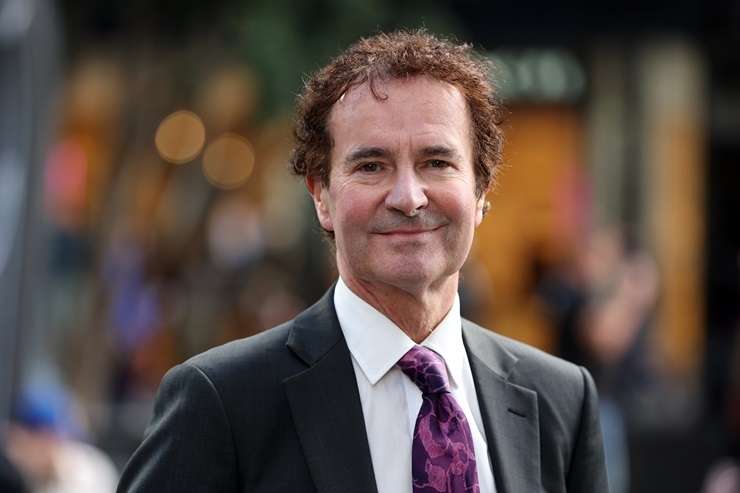
Independent economist Tony Alexander: “Falling house prices in Australia may prove attractive to some Kiwis.” Photo / Fiona Goodall
The recent low was 9500 in August last year, so it is accurate to say that improvement is underway. But the pace of turnaround in the migration cycle is unusually slow, and that means our economy and housing market in particular will likely not receive much of a boost from these flows in the coming year.
The net loss of Kiwis over the past year is 37,500, down from a peak of 45,200 in April 2024. The easing of this loss is very slow and very small, and it seems reasonable to expect that we will continue to lose young folk offshore, particularly to Australia.
Will this flow perhaps be dented by the sharp downward correction in Australian house prices, the result of tax changes affecting investors? No. Few young Kiwis shifting across the ditch are in a position to buy a property quickly, and frankly, falling house prices may prove attractive to some considering a purchase within a few years.
But just be careful if you are contemplating a move to work in Australia’s tourism sector. Whereas New Zealand’s visitor numbers have grown by 9% in the past year, Australia’s have shrunk by 9% – mainly because fewer Kiwis are going to Australia for holidays. That is what can happen when the exchange rate falls by 10 cents.
- Tony Alexander is an independent economics commentator. Additional commentary from him can be found at www.tonyalexander.nz