ANALYSIS: Last week, I noted that almost all of the readings in my monthly survey of real estate agents had improved from lows recorded in late April. This week, I can report that consumer sentiment has become a lot less negative.
Early in February this year, a net 23% of respondents to my monthly Spending Plans survey said they planned to spend more on things generally over the coming 3-6 months. In response to banks raising their interest rates and the US strikes on Iran on February 28, that figure fell to just 4% in early March.
Come early April, a net 38% of respondents said they planned to cut back on their spending. This eased to a net 26% a month ago, and now just a net 7% of respondents say they will buy fewer things in general.
This is still a negative result, and retailers shouldn’t see it as a sign of a lot more customers coming through their doors. But the direction of change is good, and perhaps this reflects the way in which we have become accustomed to higher fuel prices and adjusted what we spend in areas other than fuel.
Start your property search
Discover more:
- Tony Alexander: How Iran turmoil could spark a recovery in NZ house prices
- Could New Zealand become a haven for Australia's sidelined property investors?
- 'We both went, holy s***': Entrepreneurs list transformed Piha estate for $11m
Even when it comes to property, things are less bad. Whereas in early February, a net 12% of people planned to cut back on investment purchases, this reading is now 7%. Less bad but also still negative is the net 3% who plan to ease back when it comes to buying a property to live in.
The results tell us that while we still have yet to feel the Iran war’s true impact on inflation, and with the risk that fuel supply worries return as oil reserves are run down around the world, the next revisions to predicted growth rates in our economy could be upward.
If so, then that is something borrowers will need to keep an eye on. It is only the prospect of slower growth offsetting higher inflation from the war that is preventing sharper increases in interest rates.
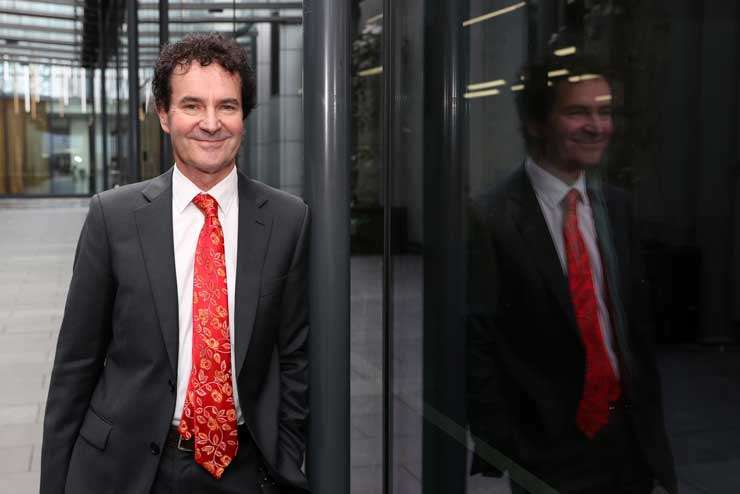
Independent economist Tony Alexander: "We have become accustomed to higher fuel prices and adjusted what we spend in areas other than fuel." Photo / Fiona Goodall
The Reserve Bank will next review the Official Cash Rate on July 8, and chances are high that there will be a 0.25% hike. The market has already factored in such a rise into its pricing, so, in theory, there should be little impact on any mortgage rates except floating ones, which will rise by 0.25%. But if the Reserve Bank chooses to acknowledge the recent improvements in some (not all) economic indicators, the language it uses regarding where rates may need to be taken could surprise us all by being tougher than currently expected.
My belief remains that the Reserve Bank will signal very mild rate rises, given its history of tightening monetary too little at the start of a rates cycle, then eventually tightening too much. But this is a risk borrowers should consider when thinking about whether to fix their mortgage rate for 12, 18, 24, or 36 months.
I continue to prefer the three-year term because of the risk that policy needs to play catch-up and tighten aggressively from late-2027. But uncertainty is very high, and maybe some borrowers should give thought to splitting their rates exposure over a couple of terms – maybe even three. Good luck. None of us truly know where underlying inflationary pressures are going to settle, especially as the US-initiated war has now exceeded 100 days.
- Tony Alexander is an independent economics commentator. Additional commentary from him can be found at www.tonyalexander.nz