ANALYSIS: Around the world, the effects of the US invasion of Iran from February 28 are showing through, and here in New Zealand, we can get good up-to-date insights from the various surveys I run each month.
From a retailer’s point of view, the results are all bad.
Whereas just two months ago, a net 23% of my respondents were saying they planned to buy more consumer goods and services in the next three to six months, now a net 38% say they plan to spend less. All spending categories have declined except for groceries.
Two months ago, a net 24% expected to spend more on groceries; now, a net 34% plan to. Anticipation of rising prices explains both strong results. Everything else has worsened, with the biggest declines in spending on domestic and international travel, eating out and home renovations.
Start your property search
Unfortunately, I don’t include a category specifically for petrol, but if I did, I suspect the reading would have gone up for the same reason groceries increased. We view food and petrol as necessities and will adjust spending elsewhere to keep paying for them.
Discover more:
- Tony Alexander: What the cash rate decision means for mortgage rates
- Rate warning and Iran ceasefire: What's the impact on Kiwi house prices?
- Refugee who spent $1m feeding the homeless races to sell before bank steps in
That is why this shock is especially bad for all other types of retailers. We are not just feeling pessimistic and boosting our savings for worse times ahead; we are diverting spending to areas that have become more expensive.
The result is likely to be another round of closures in the hospitality sector, as well as bad times for footwear and clothing retailers.
The outlook has also worsened for the housing market, with fewer people planning to buy a house to live in or to rent out.
From my survey of real estate agents with NZHL, we can see that whereas two months ago a net 6% of them said more investors were in the market as buyers, now a net 33% say there are fewer investors. A net 24% of agents are seeing more first-home buyers in the market, but this is down from 62% two months ago.
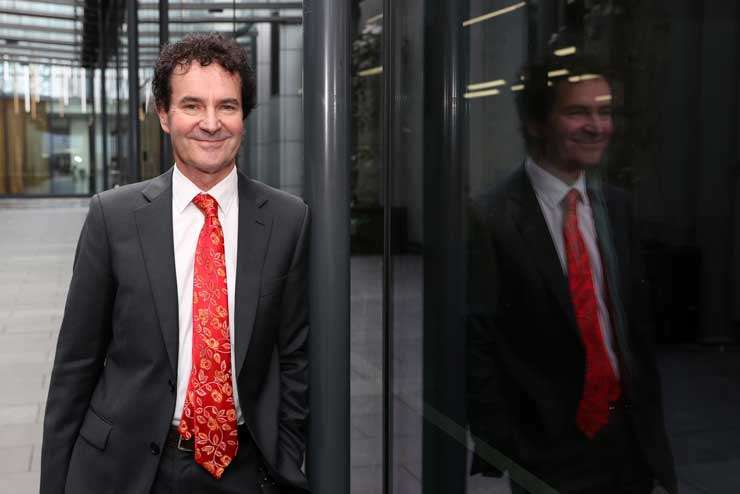
Independent economist Tony Alexander: "From a retailer’s point of view, the results are all bad." Photo / Fiona Goodall
A net 30% of agents say more investors are looking to sell compared with 25% in February. This helps explain why house prices are seen as falling again by a net 28% of agents.
From my survey of businesses with MintHC, there has been a sharp rise in the net proportion who are worried about their supply chains, from 5% two months ago to 31% now. The net proportion planning to raise prices has risen to 14% from 8% two months back, and the net proportion planning to spend more on recruiting people has declined to 0% from 19% in February.
Our sentiment has been struck by developments offshore, and we are quickly adjusting our plans to allow for higher prices for many things we buy – fuel, especially. We are also adjusting to reduced job security and forecasts of interest rates rising more quickly than had previously been expected.
Is there anything positive to focus on? The number of consents being issued for new dwellings is continuing to go up. Good prices are being received for many of our key commodity exports. The net migration flow numbers are improving, and there is good investor demand for assets other than housing, such as commercial property.
For house prices, the outlook is flat at best this year. For renters, prospects look good for further falls in average rental charges. For first-home buyers, the range of properties to choose from will continue to be good, especially as most of the properties that older investors are now looking to offload to fund their retirement are in the first-home buyer price range.
- Tony Alexander is an independent economics commentator. Additional commentary from him can be found at www.tonyalexander.nz