ANALYSIS: I run five surveys each month and usually write about the key results from those which seek insights from real estate agents, property investors, and sometimes businesses. This week I thought it would be useful to back up the conclusions of a flat to soft housing market gained from my survey of consumers.
I call it a Spending Plans survey because rather than focus on how people feel about the economy, I ask them whether they plan to spend more or less on stuff in general in the next 3-6 months. Then I ask them about some individual areas of spending.
The headline result for the survey I ran from last Friday is that a net 7% of people plan to spend more. This is unchanged from a month ago and not bad considering the negative factors of rising mortgage rates, new tensions in the Middle East, and some bad weather.
The average reading since I started the survey in June 2020 has been -5%, and the recent low point was a horrid -38% shortly after the Iran-US war broke out. The outlook for the retailing sector doesn’t look too bad.
Start your property search
Discover more:
- Tony Alexander: Agents deliver housing market report card - it isn't pretty
- 'People lined up ... it was mental': Town where $700k buys any house you want
- Wild Poppies mortgagee sales: Zero bids for multi-million-dollar coastal homes
Things get interesting when we look at individual items. For instance, on average, a net 9% of people since mid-2020 have said they plan to cut spending on motor vehicles. The latest result is -6%. Things are near-average in this sector, and if you are a car firm struggling at the moment, chances are it is because you are somehow not meeting consumer requirements with your offering.
This comment applies particularly to the “eating out” category. On average, a net 19% of consumers have said they plan to cut this type of spending. The latest result is -7%. This is the best reading since late-2021, barring the brief surge in confidence across all measures late last year as we all got very happy for some reason.
If you are in the hospitality sector but struggling, best look at what you do, how you do it, and who you do it for, as people’s spending plans are stronger than average. You can no longer explain your lack of profitability by general weakness in people’s willingness to spend.
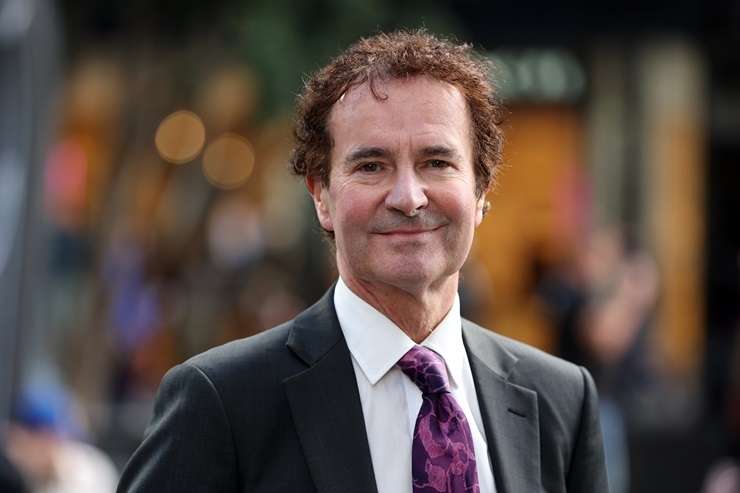
Independent economist Tony Alexander: “It doesn’t seem reasonable to expect a lift in house-buying sentiment until the jobs market is a lot stronger.” Photo / Fiona Goodall
Across all 16 categories I ask people about, the latest measures are above average, except in two areas: buying a house to live in and buying a house as an investment. A net 4% of people plan to cut back on buying a house and a net 13% plan to cut property investment. The averages since June 2020 are -2% and -8%.
Even if we strip out the pandemic binge period and start our average calculation from the beginning of 2022, we get averages of -4% and -11%.
The housing sector is on a weaker track than other areas of household spending at the moment, which my real estate agent survey backs up. When might this situation change?
Given that interest rates are rising, it doesn’t seem reasonable to expect a lift in house-buying sentiment until the jobs market is a lot stronger. That is a story for next year rather than 2026, and that broadly is when I’d expect to see another broad attempt by the housing market to strengthen.
Of course, by then new house construction will be a lot stronger and that extra supply will tend to restrict the extent of capital gains over this particular housing cycle.
- Tony Alexander is an independent economics commentator. Additional commentary from him can be found at www.tonyalexander.nz