ANALYSIS: The official data from Statistics New Zealand tell us that New Zealand's economy has been growing at a reasonable pace. Gross domestic product rose by 1.8%, and job numbers rose by 1.1%. Both annual increases were below average, but still a lot better than most people would be willing to believe.
So why is it that most people feel the economy is in poor shape?
There are dozens of possible explanations, and the reasons differ from person to person. But here are some I consider to be the most important.
In the business sector, margins are still being crunched. Costs have risen tremendously since 2019, but many businesses don't have the pricing power to pass this onto their customers. This situation will eventually change, and when it does, general inflation will take a fresh blip up – maybe late next year.
Start your property search
Second, in the household sector, some people talk about a cost-of-living crisis. But it is more the case that some key items have soared in price, and those are the ones we focus on. Council rates, insurance, electricity, butter, red meat and so on. In truth, average wage growth has exceeded the rise in the cost of living since 2019. But this is a key problem with high inflation. Not everyone keeps up, and some things rise well above average. Others, like chicken meat, rise well below average, but that is not where we focus our attention.
Discover more:
- Tony Alexander: Don't fall into the trap of thinking NZ is munted
- Terminal cancer diagnosis forces couple to sell their dream beach home
- Ex-All Black Julian Savea sells luxury estate, buys new one over the road
Third, many people bought into the mistaken belief that movements in the housing market are the key determinant of how our economy goes. That is wrong – ask any farmer – but this belief still holds for many, and on average, house prices around the country have gone nowhere in the past three years.
Or maybe of greater relevance is the fact that in the past year house prices have fallen by around 3% in Auckland and by 6% in Wellington. Those numbers are in the headlines – the 7% rise in Southland not so much.
Fourth, we are getting less productive in New Zealand. Given the same quantity of inputs we can now only produce 96% of the outputs we were able to produce four years ago. Yes, we are in reality going backwards.
Fifth, and final for my short list: there is no shortage of things which we choose to describe as being in a state of crisis. If you veer towards a glass half full mentality. then every day you are presented with good reasons for holding back from investing, hiring staff, etc.
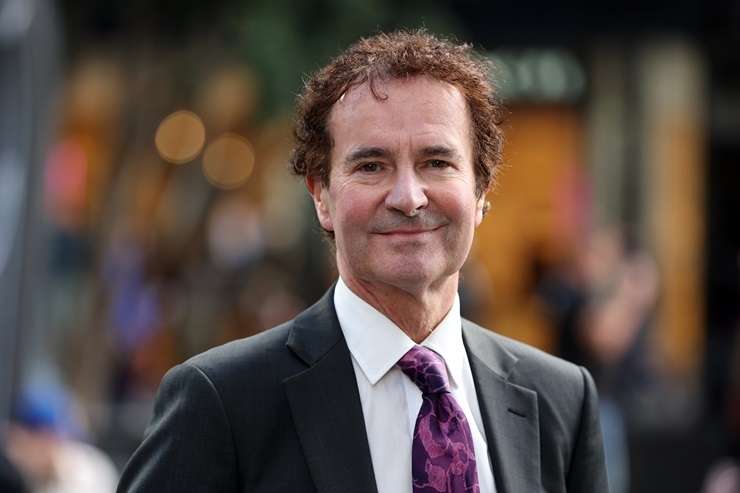
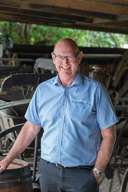
Independent economist Tony Alexander: "There is no shortage of things which we choose to describe as being in a state of crisis." Photo / Fiona Goodall
Maybe you focus on El Niño and talk of drought and higher food prices. Maybe you worry about Bird Flu and the risk of another egg shortage and higher poultry meat prices. Russia's war against Ukraine has the potential to push global oil and grain prices higher.
The failed American campaign in the Middle East has caused energy prices to soar, and central banks are warning they will need to tighten monetary policy more quickly than previously indicated because of inflation running higher than they expected.
President Donald Trump is threatening to send diesel prices even higher than they already are with musings about banning diesel exports from the US. AI is pushing up prices for computer chips, which risks generalised higher pricing for electronic items containing them. The AI boom is also pushing interest rates higher and bringing worries about human extinction.
For us optimists, the road ahead is somewhat uphill. But with rising global demand for our protein and good outlooks for tourism, export education, and construction, I remain positive.
- Tony Alexander is an independent economics commentator. Additional commentary from him can be found at www.tonyalexander.nz