The five things you need to know about the housing market this week.
1. Inflation was above target even before the Iran conflict
The key economic release last week was the consumers price index (CPI), which showed a headline inflation rate of 3.1% in the first quarter of 2026, unchanged from Q4 last year – and still slightly above the 1-3% target range over the medium term. The tradeables/imported split showed 2.5% inflation (down slightly from 2.6% in Q4) and non-tradeables/domestic inflation held steady at 3.5%.
On the whole, there weren’t actually too many surprises in the figures, and most analysts moved on pretty quickly. After all, we know that this is now a line in the sand, and that inflation worsened in April and will continue to deteriorate. A figure of 4% or more is on the cards for Q2 and possibly worse thereafter.
Start your property search
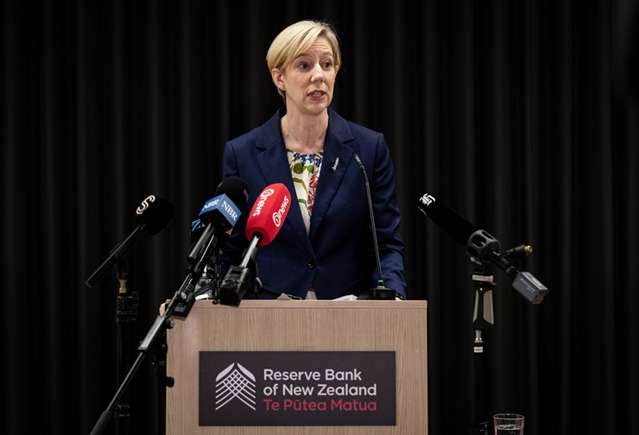
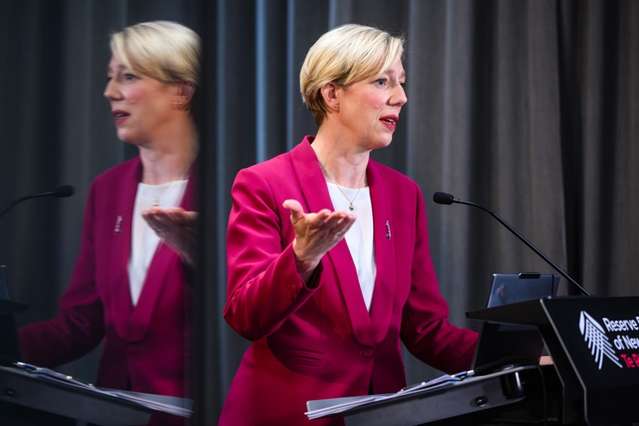
It remains a tricky situation for the Reserve Bank. There’s still spare capacity, and slower economic growth will also tend to dampen inflation. But price rises are already filtering through the economy, and the bank is very wary of "second round" inflation, where wage demands and inflation expectations rise. The chances of an OCR increase in July or even next month definitely seem to be building. Mortgage rates have already risen anyway.
2. Lending volumes may be poised to slow
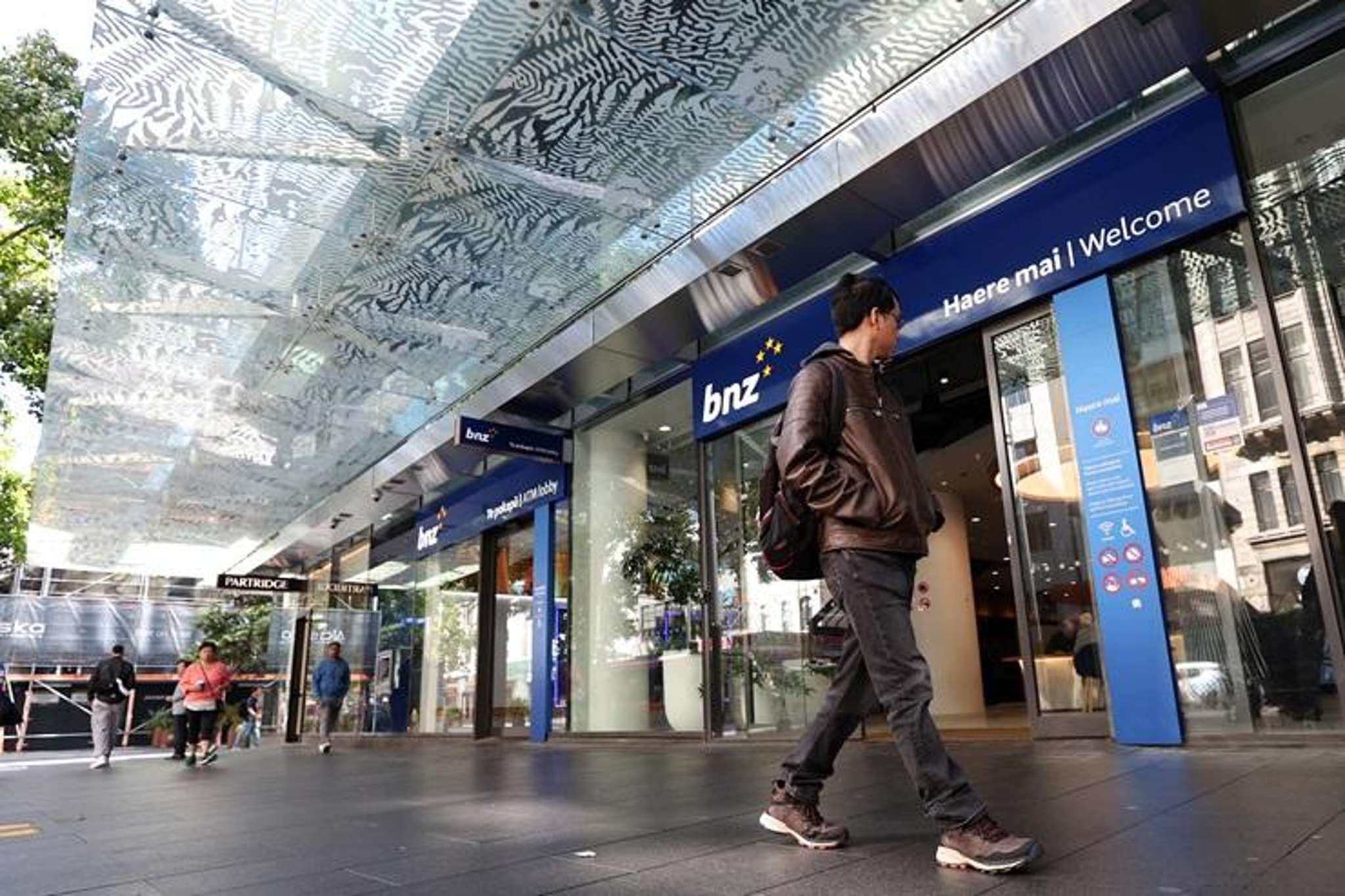
Speaking of mortgages, on Wednesday this week we’ll get the Reserve Bank’s figures on March lending volumes. After a strong run of growth, these figures may now start to soften a bit, as interest rates creep up and economic confidence dips. As always, I’ll be looking closely at the splits by loan type (e.g. house purchase, bank switch), the loan-to-value ratio, and debt-to-income ratio. It could be a fairly normal month, although investors have recently been taking up more low-deposit finance after the LVR rules were loosened last December.

Cotality chief economist Kelvin Davidson: "A softer labour market will tend to restrain house sales and prices." Photo / Peter Meecham
3. Employment growth petering out?
I’ll also be keeping an eye on Stats NZ’s filled jobs release for March. There have been hints of a small upward trend for employment in the past few months, but there’s every chance that renewed caution from businesses in light of the Iran conflict will put a pause on hiring activity. And a softer labour market will tend to restrain house sales and prices.
4. Other economic indicators could also start to soften
We might be in line for a disappointing few days, with the results of other economic indicators. Stats NZ will also release the March NZ Activity Index on Tuesday, and although the index has been trending higher over the last few months, it would be no surprise at all to see a slowdown in the March results.
We’ll also get ANZ’s business confidence survey on Thursday and the consumer equivalent on Friday. Expect both to highlight wariness in the economy, with input cost/output price/inflation expectations measures worsening.
5. Dwelling consents to join the slide?
Adding to the somewhat grim tone of this week’s column, dwelling consents (March data due from Stats NZ on Friday) may also be set to slow following some steady growth in previous months. Granted, lags in the process may mean that the Iran conflict, higher interest rates, and fears of rising construction costs may not have affected March’s consent figures too much. But a slowdown here could also be on the cards from April onwards.
- Kelvin Davidson is chief economist at property insights firm Cotality