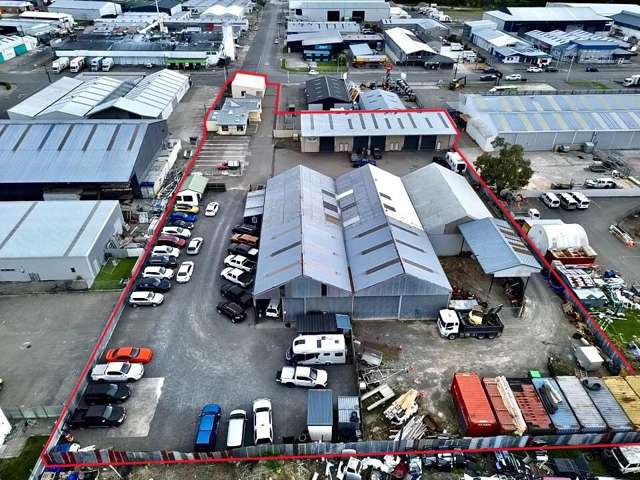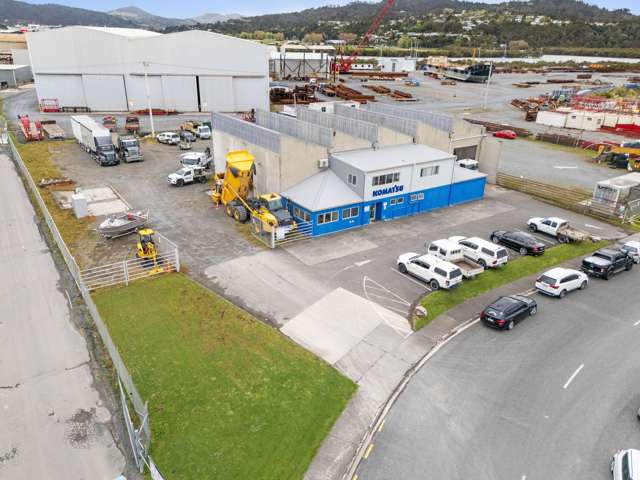
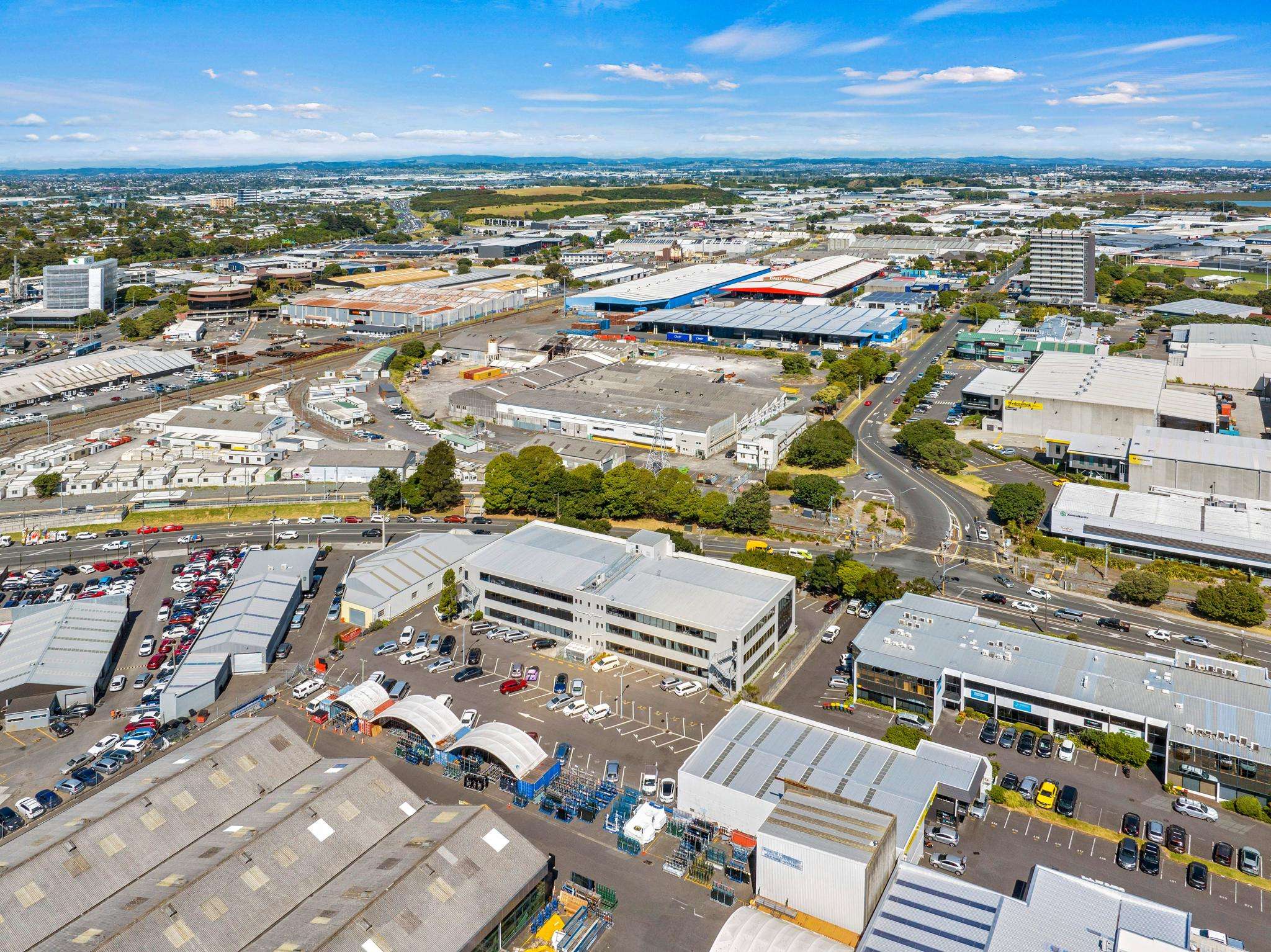
Auckland’s industrial property market is entering a more balanced phase as new development and softer economic conditions provide occupiers with greater choice, according to the latest research from Colliers.
Overall vacancy increased from 2.8 per cent in February to 4.5 per cent in August, its highest level since August 2012.
Prime and secondary vacancy reached 4.6 per cent and 4.5 per cent respectively, although industrial vacancy remains comparatively low compared with many other commercial property sectors.
Hamish Fitchett, National Director of Research & Economics at Colliers, says the rise signals a change from the exceptionally tight conditions that have characterised the sector for much of the past decade.
Start your property search
“The market has moved into a more measured phase. Recently completed developments are taking time to be absorbed, but vacancy remains relatively low and occupiers now have a broader range of quality options,” Fitchett says.
“Industrial businesses also face greater exposure to higher energy and transport costs due to the Iran war. These pressures could affect expansion and leasing decisions, creating a risk that vacancy remains elevated for longer.”
The increase has been influenced by recently completed prime-grade developments, including projects delivered without full tenant pre-commitment.
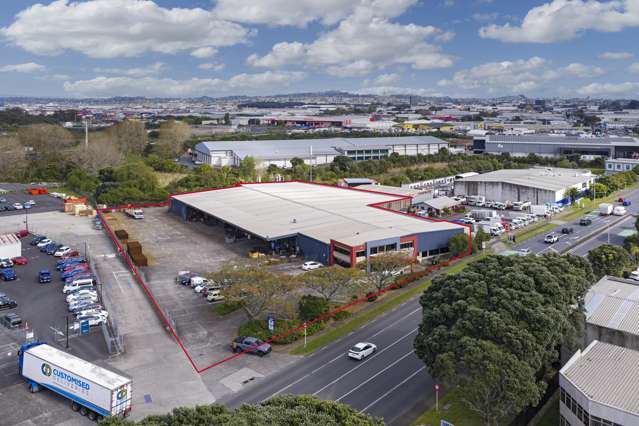
The completion of 358 Puhinui Road in Wiri has had a particularly noticeable effect. As part of its recently released Auckland Industrial Essentials report, Colliers estimates that, excluding that property, Auckland’s prime vacancy rate would have been approximately 3.7 per cent with overall vacancy at 4.2 per cent.
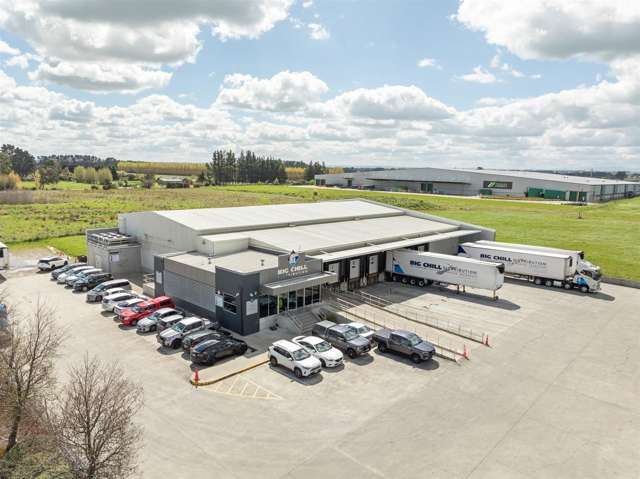
Development activity remains concentrated in Wiri, Drury, Mount Wellington, East Tāmaki, and Auckland’s north-west corridor.
Colliers is tracking approximately 254,770sq m of space under construction in projects of more than 10,000sq m, providing a robust supply pipeline for the coming 12 to 24 months.
“The benchmark for prime industrial stock continues to evolve, with newer developments increasingly incorporating 12m stud heights and Green Star ratings, while many existing prime assets continue to feature 9m stud heights,” Fitchett says.
Pritika Chand, Senior Research Analyst at Colliers, says the increase in availability has altered the balance of leasing negotiations.
“Occupiers have more time and more choice when assessing their property requirements, particularly among newer, high-quality facilities,” Chand says.
“Landlords are responding with greater flexibility, and incentives are playing a more prominent role in negotiations. However, well-located properties offering efficient access to transport infrastructure and labour continue to attract demand.”
Prime warehouse net face rents remained stable at $198 per square metre, while secondary rents held at $148 per square metre. Average outgoings rose by approximately 11.8 per cent over the preceding six months to $38 per square metre.
Investor demand has also remained evident. Provisional Cotality data recorded approximately 254 Auckland industrial transactions, worth about $850.7 million, during the first half of 2026.
Major deals that were brokered by Colliers included the $88.7 million sale of 345 Neilson Street in Penrose and the $51.25 million sale of 10 Te Ahurea Street in Hobsonville.
Greg Goldfinch, National Director of Industrial at Colliers, says buyers remain selective but continue to pursue high-quality industrial assets.
“Modern properties in established industrial precincts remain firmly on the radar of investors, particularly where they offer strong transport connections, functional improvements, and long-term land value,” Goldfinch says.
“The recent transactions show there is still meaningful capital seeking exposure to Auckland industrial property when the location, building quality, and investment fundamentals align.”
- Supplied by Colliers