New Zealand’s economic recovery continues to move slowly but this week’s cut to the Official Cash Rate should provide another boost, according to Colliers’ National Director of Research & Economics Hamish Fitchett.
The Reserve Bank of New Zealand (RBNZ) began its interest rate cutting cycle in August last year, when the Official Cash Rate (OCR) was at 5.5 per cent. Wednesday’s 50-basis-point cut to 2.5 per cent means the OCR is now less than half of what it was 14 months ago.
Fitchett says the trickledown impact of OCR cuts can take 12 to 18 months to have their full effect on the economy and the property market.
“2025 has been a tough year for many sectors, but we’re starting to see the early signs of recovery. The final quarter will be pivotal in setting the tone for 2026,” Fitchett says.
Start your property search
“This week’s cut to the OCR brings interest rates below the estimated neutral interest rate of 3 per cent and means the Reserve Bank is now stimulating economic activity.”
While the latest New Zealand Institute of Economic Research Quarterly Survey of Business Opinion that was released on Tuesday pointed towards falling business confidence in Q3 compared to the previous quarter, Fitchett says some positives emerged.
“Business confidence has dropped back slightly, with a net 15 per cent of firms expecting an improvement in general economic conditions over the coming months. This is roughly in line with pre-pandemic levels.
“Firms were less negative about their domestic trading activity over the past three months. This aligns with the RBNZ’s GDP nowcasting model that shows growth of 0.7 per cent and 0.4 per cent for Q3 and Q4, respectively. These data and models indicate the economy is returning to low and stable growth in the second half of the year.”
Meanwhile, the New Zealand Research Report for October that was compiled by the Colliers Research team notes the country’s economic recovery should gather pace in 2026.
“Our radar of economic indicators still sits close to the centre, meaning the economy is weak, but it is slowly expanding outward, suggesting things are getting better. This high-frequency data tracking indicates we're past the bottom of the cycle and economic momentum is picking up as we come into the final quarter of the year,” Fitchett says.
Although there have been growing vacancy rates in the office and retail markets, certain sectors are performing well, according to the report.
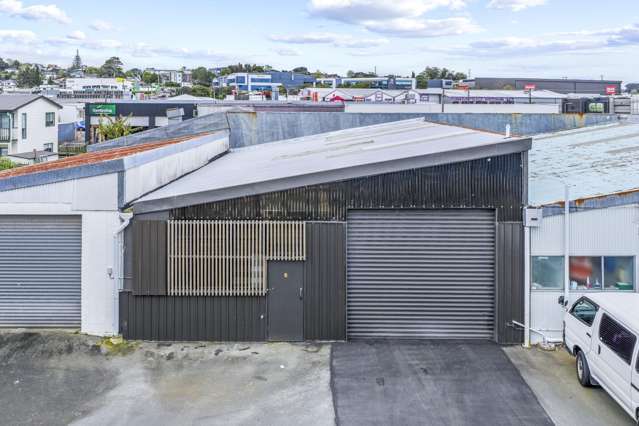
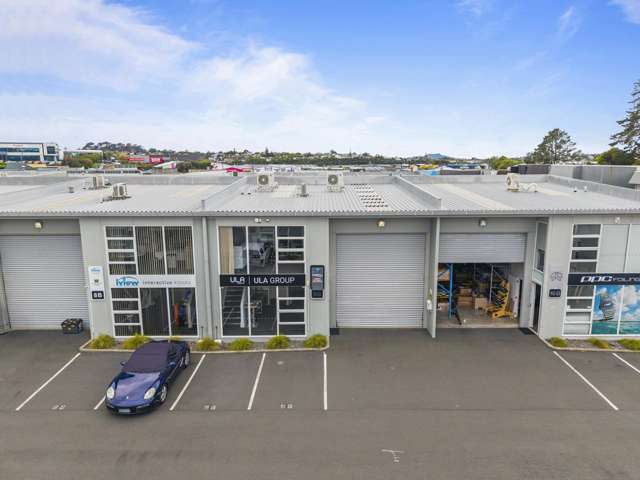
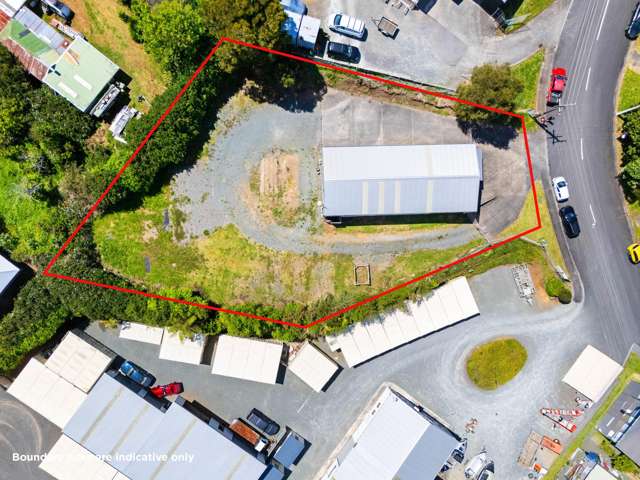
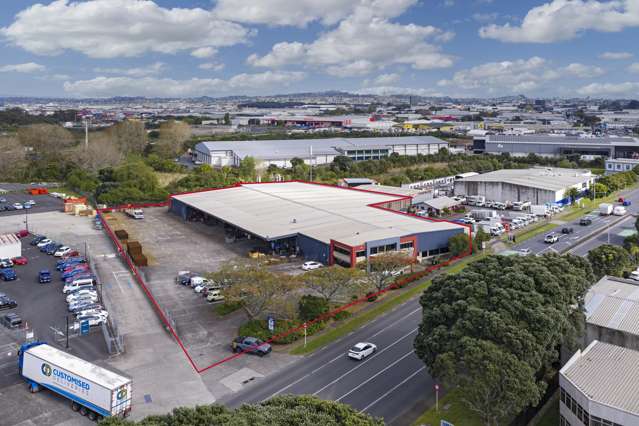
“The industrial market continues to be the standout performer. Manufacturing orders are up, and that’s translating into sustained demand for industrial space.
“We’re seeing encouraging momentum in student arrivals and commodity export prices, which bodes well for education and rural property. These areas of strength are expected to persist next year.”
Fitchett says falling interest rates will filter through to improved spending power for households, bolstering a recovery in the retail sector.
“The large format retail market continues to show strength, and the impending opening of IKEA in Auckland is just one example of the growth in this sector. Across the commercial property market, there are opportunities for savvy businesses to capitalise on lower borrowing costs, heightened vacancy rates, and a large pool of available workers.”
- Supplied by Colliers