OneRoof’s Ask the Expert series is aimed at helping consumers cut through the noise when buying goods and products for their home. It’s hard to make a decision when there’s so much out there, so who better to trust than the people who have the expertise and use these items for a living?
Electric toothbrushes have come a long way from basic rechargeable models. Today’s versions can track brushing, time your routine and even coach your technique in real time.
But with so many options available and plenty of marketing hype out there, it can be hard to know what’s worth paying for.
The verdict from the New Zealand Dental Association and a hygienist with more than 20 years’ experience? Electric toothbrushes can make a real difference, but technique still matters most.
Start your property search
Lumino Ponsonby dental hygienist and therapist Bronwyn Weaver says people can achieve good oral hygiene with either a manual or electric toothbrush, but electric models often make the job easier by reducing user error.
“The biggest benefit is more effective removal of soft plaque, which helps reduce inflammation of the gums. They’re also particularly helpful for people who struggle with consistency or technique using a manual brush,” says Bronwyn.
The New Zealand Dental Association agrees, saying many people don’t brush for long enough, miss hard-to-reach areas, or brush too aggressively, all things an electric toothbrush can help improve.
So, what features matter?
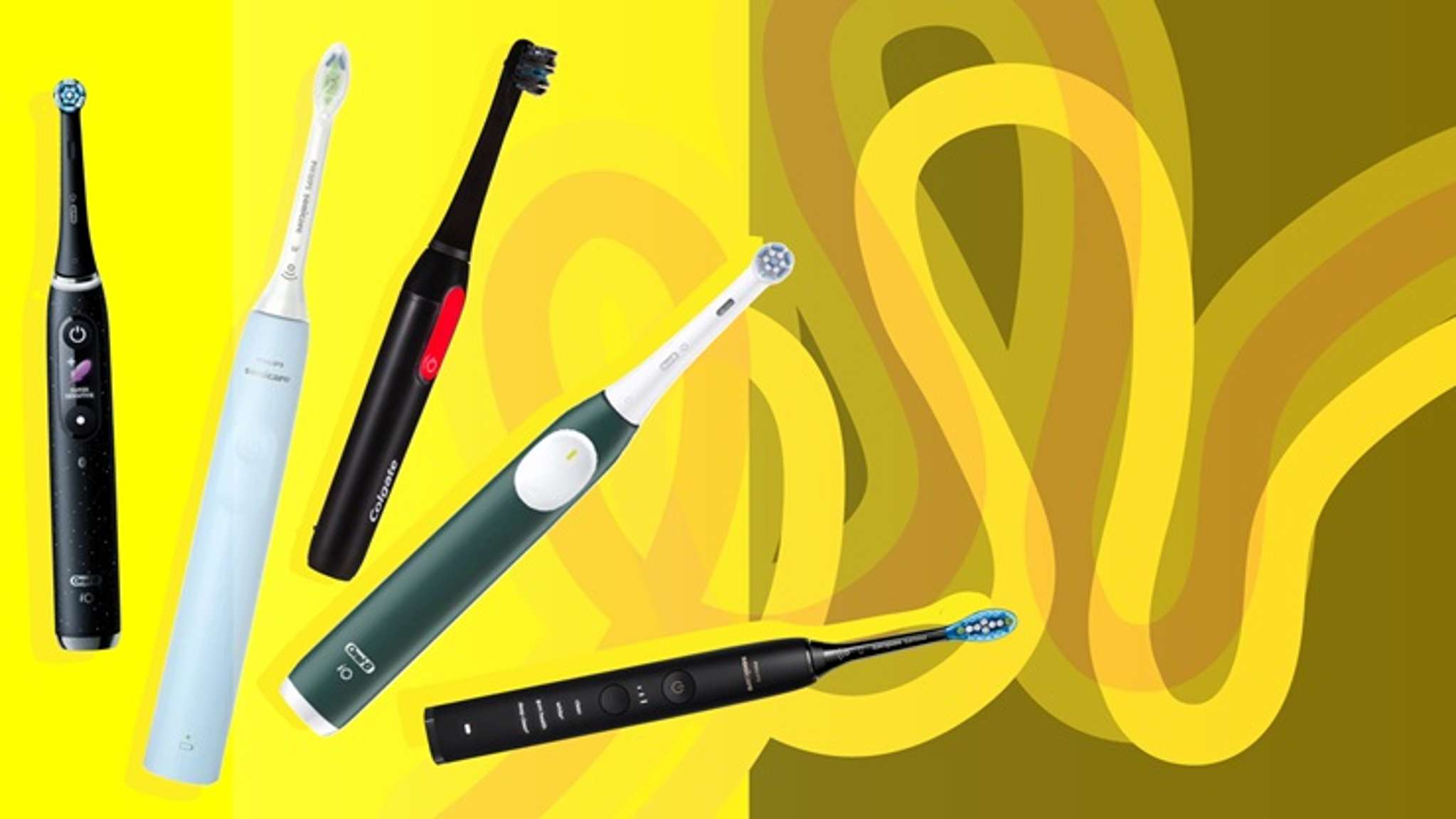
Premium smart features in models like the latest Oral-B iO Series 10 or the Philips Sonicare DiamondClean 9000 can do everything from track your brushing technique in real time to help you set brushing goals and, in the case of the Series 10, flash LED lights to let you know you’re brushing too hard.
They’re great tech if you like smart devices, but our experts agree they are likely more about convenience and motivation.
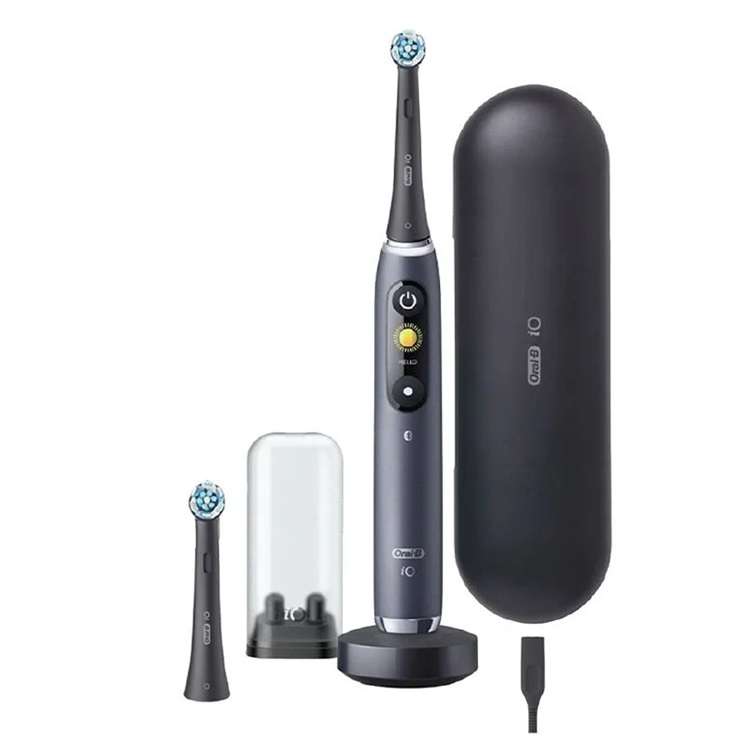
At the upper end of the price scale is the Oral-B iO Series 9 Rechargeable Electric Toothbrush. Photo / Supplied
The New Zealand Dental Association says premium features such as Bluetooth tracking, brushing maps and app integration may help motivate some users, but evidence is limited that they significantly improve oral health outcomes compared with standard powered brushes.
The association says a good quality electric toothbrush with soft bristles, a timer and a pressure sensor is usually sufficient for effective daily plaque removal.
If you are investing in an electric toothbrush, the association says the features that genuinely matter are:
- A two-minute timer,
- A 30-second quadrant pacer that prompts you to move around the mouth evenly,
- A pressure sensor,
- Soft bristles, and
- A comfortable-sized brush head.
Pressure sensors are particularly important because brushing too hard can contribute to gum recession, enamel wear and tooth sensitivity.
“The key is to let the toothbrush do the work rather than scrubbing aggressively,” the association says.
Sonic v oscillating: does it matter?
Oscillating-rotating brushes, like many Oral-B models, use small round heads that rotate back and forth, while sonic toothbrushes such as Philips Sonicare use high-frequency vibrations and typically have heads shaped more like a traditional toothbrush.
The New Zealand Dental Association says the best toothbrush is usually the one a person is comfortable using consistently and correctly.
“In practice, both oscillating and sonic brushes can be effective if used correctly. The key difference is less important than how appropriately the brush is used,” says Bronwyn.
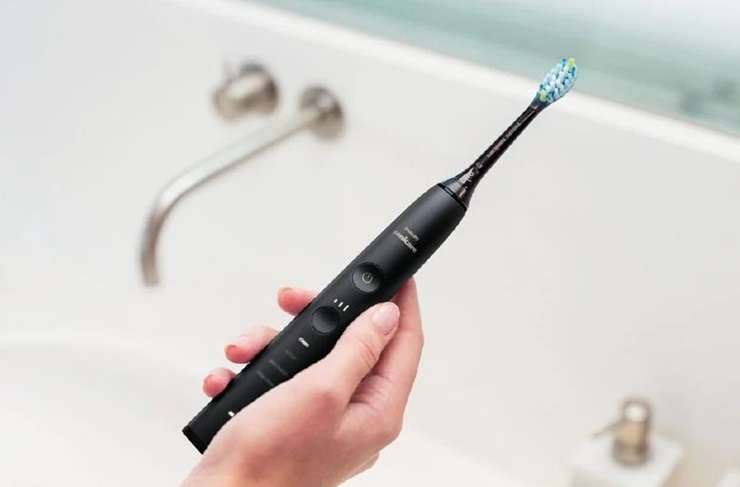
The Philips Sonicare DiamondClean 9000 Electric Toothbrush with A3 brush head. Photo / Supplied
Personally, she prefers the smaller oscillating head and the control it gives along the gum line and in tighter areas when technique is right. She also says the wide range of models available across different price points is an important consideration when recommending brushes.
If you are into tech, the Oral-B iO Series 10 is the latest in oscillating technology with Bluetooth connection and an Oral-B app to track your brushing. The Series 10 can track your long-term brushing goals, with diagnostics provided after every session. It also has seven smart modes to personalise your brushing. It splits your mouth into 6 areas, and LED lights tell you when you’ve met the 20-second brushing time in each. It also flashes red if you’re brushing too hard. The toothbrush’s charging base will also show your brushing progress without having to check your phone.
One step down is the Oral-B iO Series 9 (it doesn’t come with the LED lights), while the Oral-B iO Series 2 probably delivers just the same brushing power at a fraction of the price.
The Philips Sonicare Prestige is one of the latest in the range and has received good reviews, while the Philips Sonicare DiamondClean 9000 offers Bluetooth-connected brushing progress reports, has four modes with three intensities and provides helpful reminders to replace your brush heads.
The entry-level model is likely to perform just as well when used properly. This kids’ version may also be just the trick to get kids to brush better for longer.
How much should you spend?
“You don’t need to spend a lot to get a good electric toothbrush. A model around the $100 to $120 mark is usually a solid starting point. Cheaper models can sometimes feel underpowered, while more expensive ones tend to add features rather than dramatically improve cleaning,” says Bronwyn.
That means many mid-range models will do the job well without requiring a premium price tag.
The most important thing is that people brush properly.
The most common brushing mistakes
Whether you use a manual or electric toothbrush, our experts say the most common mistakes include:
1. Brushing too hard.
2. Not brushing for long enough.
3. Missing the gumline.
4. Neglecting inner tooth surfaces.
5. Using old or frayed brush heads.
6. Aggressive horizontal scrubbing, which contributes to gum recession and wear.
Electric toothbrush heads should generally be replaced every three months, or earlier if the bristles become frayed. And regardless of the toothbrush type, the basics still matter most: brushing gently twice daily for two minutes with fluoride toothpaste, cleaning between teeth, and seeing a dental hygienist regularly.