OneRoof’s Ask the Expert is aimed at helping consumers cut through the noise when buying goods and products for their home. It’s hard to make a decision when there’s so much out there, so who better to trust than the people who have the expertise and use these items for a living?
Smoothies are a staple in many people’s daily routines, from quick breakfasts to power snacks. But with so many smoothie makers on the market, picking the right one can be challenging.
Best-selling author and nutritionist Claire Turnbull says whether you’re blending leafy greens, frozen fruit, nut butters or seeds, you want a blender that is up to the task.
Turnbull says durability and power matter just as much as price, especially if frozen fruit, nuts or seeds are part of your daily routine. Rather than choosing the cheapest option, she encourages shoppers to think long-term.
Start your property search
“A lot of people buy cheap ones, and then the next year they’ve got to get another one. So, it’s about looking at the power and how it’s made. Don’t end up buying three when you could just get one good one.”
Turnbull says wattage is important, but so too is understanding what your blender can realistically handle.

Nutritionist Claire Turnbull with TV journalist John Campbell. Turnbull often appears on TV to talk about healthy eating. Photo / Supplied
At home, Turnbull uses a Kenwood, telling OneRoof that reliability matters more to her than chasing the lowest price. “I’m a buy-it-once, buy-it-right kind of person. My Kenwood is probably 20 years old, and it’s built to last,” she says.
“It’s about buying the best quality you can afford. Everyone’s situation is different. Just make sure it can handle what you actually want to put in it.”
Highlights in the Kenwood range include the Kenwood Multipro, which is a blender and food processor in one. It also comes with a 60-month manufacturer’s warranty.
Turnbull says people should think carefully about how they’ll actually use their blender before they buy. “There are lots of blenders with fruit pictures on the outside, strawberries and blueberries look great, but most people use frozen fruit. And I’ve had that experience where it just won’t blend more than a few frozen berries unless you cut everything into tiny pieces.”
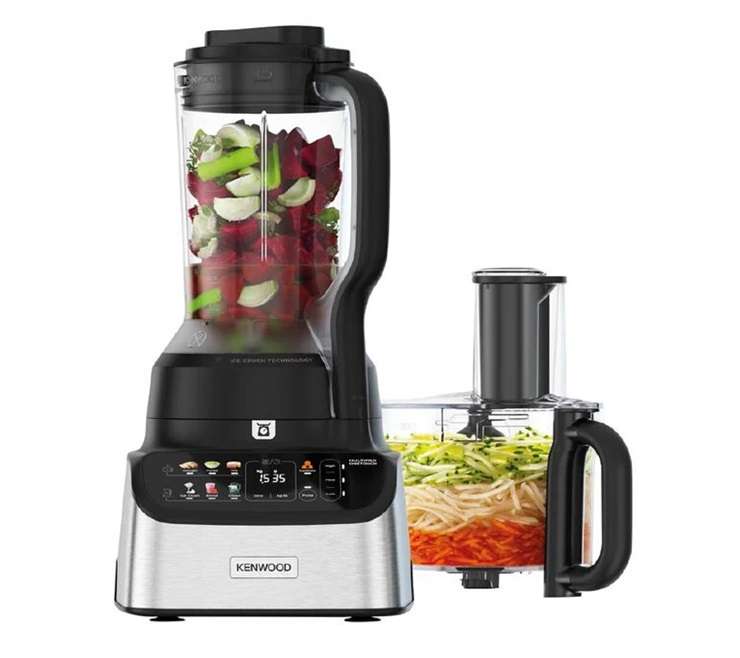
The Kenwood Multipro One Touch Food Processor & Blender. Photo / Supplied
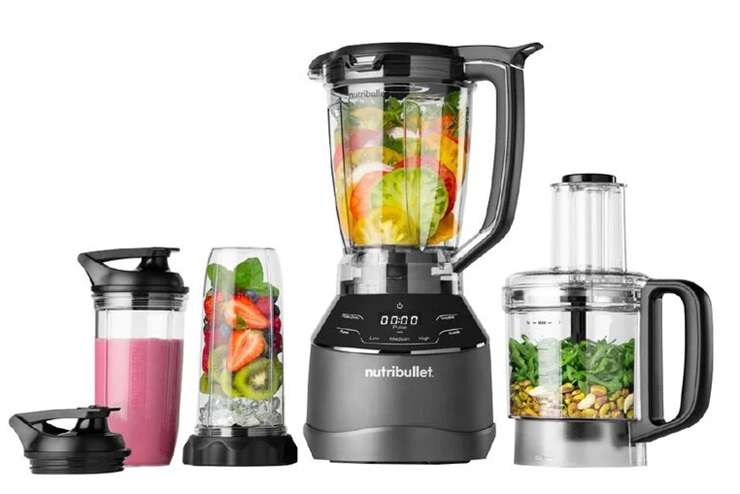
The Nutribullet Smart Touch Triple Prep System. Photo / Supplied
On that point, the Nutribullet Smart Touch Triple ranks highly among users, delivering 1200 watts of power. It has the bonus of blending and food processing capacity. However, if it’s just blending you want, the Nutribullet 1200W blender combo could do the job.
Turnbull warns that from a nutrition perspective, smoothies aren’t automatically a health win, particularly if they replace whole meals too often. “I wouldn’t recommend putting more than one serving – about a handful of fruit – in a smoothie.”
Some people may be surprised to learn they are better off eating their fruit whole, rather than blended, she says, noting that blending removes the chewing process, which helps regulate appetite. “Chewing slows you down. You’re much more likely to overeat calories when everything is blended.”
While smoothies can be convenient, especially for busy mornings or active kids, she says they shouldn’t become an everyday replacement for real meals. “I’d prefer people ate their breakfast rather than thinking smoothies are something they need every day.”
She also warns against overloading smoothies with extras. “People add tablespoons of honey, scoops of protein powder, and suddenly you’ve got a 600-calorie smoothie that’s way more than a meal.”
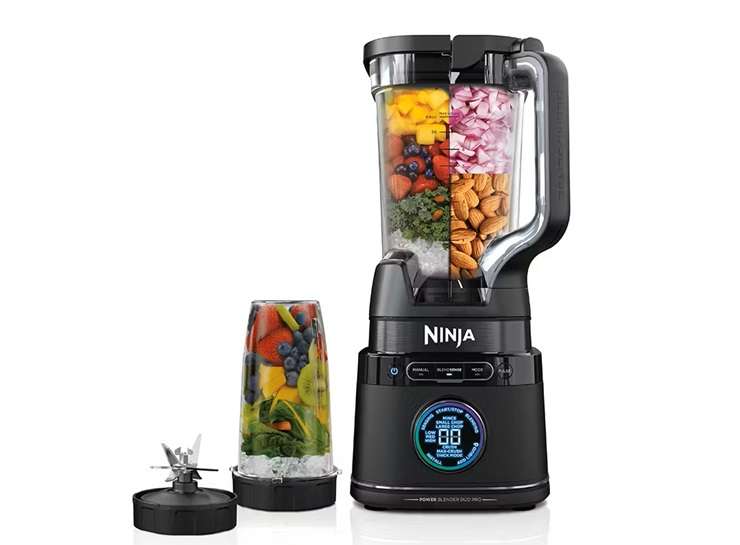
The Ninja 1200W Detect Duo Power Blender Pro. Photo / Supplied
Turnbull's website offers advice on building a balanced smoothie, from fruit smoothie bowls to apple crumble breakfast smoothies.
If you are using smoothies regularly, Claire recommends prioritising protein and keeping ingredients simple. “If you find you’re still hungry afterwards, it’s often because there’s not enough protein.”
Protein has become the health buzz, but she says people don’t necessarily need protein powders. “Milk or high-protein yoghurt can be perfectly adequate; it just depends on your needs.”
Protein also comes from nuts and seeds. Seeds like hemp blend easily, while pumpkin seeds can be tougher on weaker motors. Nut butters are often more practical for smoothies than whole nuts, Turnbull says.
“People always ask which nut or seed is best. The answer is they all have benefits. Variety is absolutely key.”
Turnbull, who has a range of smoothie recipes on her website, also encourages people to use blenders for more than just drinks. Think about hummus and dips or frozen fruit “ice creams” for kids made from frozen bananas and fruit.
Options like the Ninja Detect Duo Power Blender Pro with BlendSense Technology deliver 1200 watts of power and have crushing and chopping blades to make short work of any ingredients.
“Think about what else your smoothie maker can do,” Turnbull says.