OneRoof’s Ask the Expert series is aimed at helping consumers cut through the noise when buying goods and products for their home. It’s hard to make a decision when there’s so much out there, so who better to trust than the people who have the expertise and use these items for a living?
From managing shopping lists and meals to keeping track of food before it resembles a petri dish science experiment, smart fridges can make everyday life more organised. But are advances worth the expense? We asked appliance repair experts Tama Flynn and Dean Pinny for their insights.
Both Flynn, from Ajax Appliance Repairs, and Pinny, from Appliance Repair Group, urge those thinking about buying a smart fridge to think carefully about how they live and use their current fridge and ask themselves whether the tech on offer will make their lives easier.
Start with the basics, not the bells and whistles
Start your property search
Both experts have more than 20 years’ experience repairing appliances, including the latest smart fridges. They say many of their smart features are more of a novelty than a necessity. But, for those who love tech and already have a Wi-Fi-connected “smart” home, a smart fridge might be a good purchase.
“Generally, with appliances, you just need them to perform a task. You want your fridge to be reliable, and just do the job,” says Flynn.
“Connectivity does seem to be the big thing, and you can get fridges now with great screens and speakers, etc.”
What smart features are on offer?
Fully integrated smart fridges at the top of the price bracket offer an array of features, including internal cameras to view your fridge’s contents remotely, food expiry tracking and automated shopping lists.
“The technology allows you to mark out items in the fridge and put expiry dates on things, but I don’t know many houses where food stays around long enough to expire,” says Flynn.
As items expire or are eaten, smart fridges can add them to your digital shopping list.
Both Flynn and Pinny say Samsung is the leader in smart fridge technology. Samsung produces products like the 809-litre French Door Family Hub fridge, which boasts a 32-inch display screen and an AI-powered internal camera. It can identify up to 33 fresh food items when put in or taken out of the fridge, help you manage your shopping list, provide recipe suggestions based on what’s in the fridge, and track use-by dates.
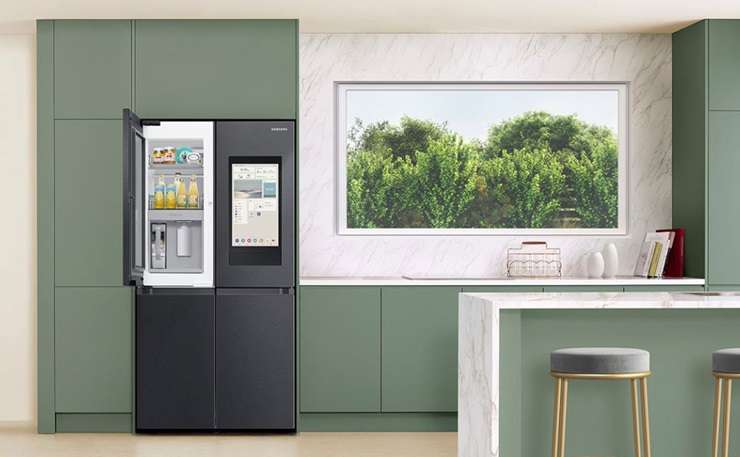
Samsung’s 809-litre French Door Family Hub fridge is one of the leading products on the market. Photo / Supplied
The screen allows you to share photos and messages, watch TV, listen to music and access information on the internet.
If you’re fully connected, it can even send the correct cooking settings to your cooking appliances. It will tell you your carbon emissions and monitor who’s at your door. You can leave memos, task lists, and instructions, and it will even sync everyone’s calendars. No more messy magnets holding bits of paper on your fridge door.
Where space is an issue, a 636-litre version is available.
It’s important to read the fine print, which notes that AI vision identifies food items using the device’s smart food management system, and users may need to manually adjust the list to ensure accuracy.
Think about the hidden costs
Flynn and Pinny also urge buyers to think about the long-term cost of the product, not just the cover price.
More technology means more components that can fail, and repairs can be expensive. “We did have a recent case where a smart fridge kept displaying an error, and it was an issue with the control board. To repair it was going to be something around $2000,” says Flynn.
Pinny adds: “Many newer fridges can send an error to your phone or appliance repairer that a part is faulty or needs to be replaced. We have clients who have seen it as a bit of a breach of privacy – no one really liked that feature.”
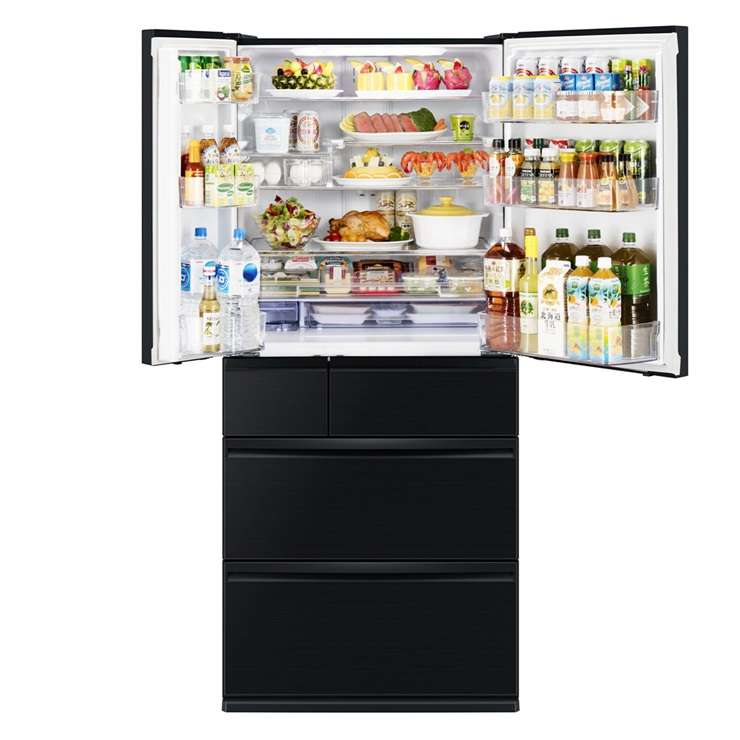
The Mitsubishi Electric 700L French Door Fridge Freezer with Ice Maker. Photo / Supplied
Models like the Samsung Barosa Bottom Mount Fridge Freezer have Wi-Fi connectivity and allow you to monitor energy use and adjust it over time.
The next step up is fridges like the Mitsubishi Electric French Door Fridge Freezer. This fridge focuses more on food preservation technology rather than screens or smart home connectivity. Models like this one can memorise when you use the fridge most and pre-empt these periods by pre-cooling the fridge. It will also run in a more energy-efficient mode during quiet times, such as overnight.
Tried and true
When it comes to overall fridge quality, not just smart features, both Flynn and Pinny rate traditional brands highly. “For a standard fridge, you still can’t go past Fisher & Paykel,” says Pinny.
Flynn agrees that they are hard to beat for both reliability and serviceability. “When we do reconditioned fridges, I only do the Fisher & Paykel products.”
Fridges like the Quad Door 538-litre model will serve a family well with plumbed water and ice, as will the slightly larger 614-litre French door fridge freezer.
For smaller kitchens, the 413-litre Series 5 might be a good option.
So, should you buy a smart fridge?
The long and short of it is, a smart fridge could be a good buy if:
- You already use a Wi-Fi-connected smart home system.
- You love technology and the idea of integrated screens, recipes and shopping tools.
- You’re comfortable paying a premium for both the convenience and novelty.