The five things you need to know about the housing market this week.
1. Reserve Bank strikes a cautious tone about interest rates
There have been some key speeches made by Reserve Bank officials in recent days, which have tended to err on the side of caution when it comes to the bank’s near-term plans for the Official Cash Rate.
They emphasised that central banks can’t do anything about possible short-term spikes in oil prices (a so-called "first round" inflation impact) and that they’ll only tend to react if/when the evidence becomes clearer that more lasting "second round" effects are emerging – i.e. wider spillover impacts on production costs and wages in the economy which could become more embedded.
Start your property search
In other words, even though they’re fully aware of the inflation risks that would become worse the longer the war continues, the Reserve Bank still seems more concerned about the potential for the Iran conflict to undermine our real economic performance, just at a time when activity is already fragile and spare capacity elevated. Keep in mind that this may eventually pull inflation down.
Long story short, uncertainty remains high (especially around how long the conflict will last), but the Reserve Bank doesn’t seem in any rush to raise the OCR in the near term, with the next decision due on April 8. That being said, mortgages in New Zealand could still start to cost more if global interest rates rise.
2. Property values remain sluggish
Although the Reserve Bank clearly has a lot to worry about on the inflation front, at least the housing market isn’t one of those contributory factors. The latest Cotality data shows that 56% of suburbs recorded stable or rising standalone house values in the three months to March, with the rest falling to some degree. Meanwhile, property rents remain weak and house-building costs are relatively flat too (although building products could be vulnerable to shipping issues).

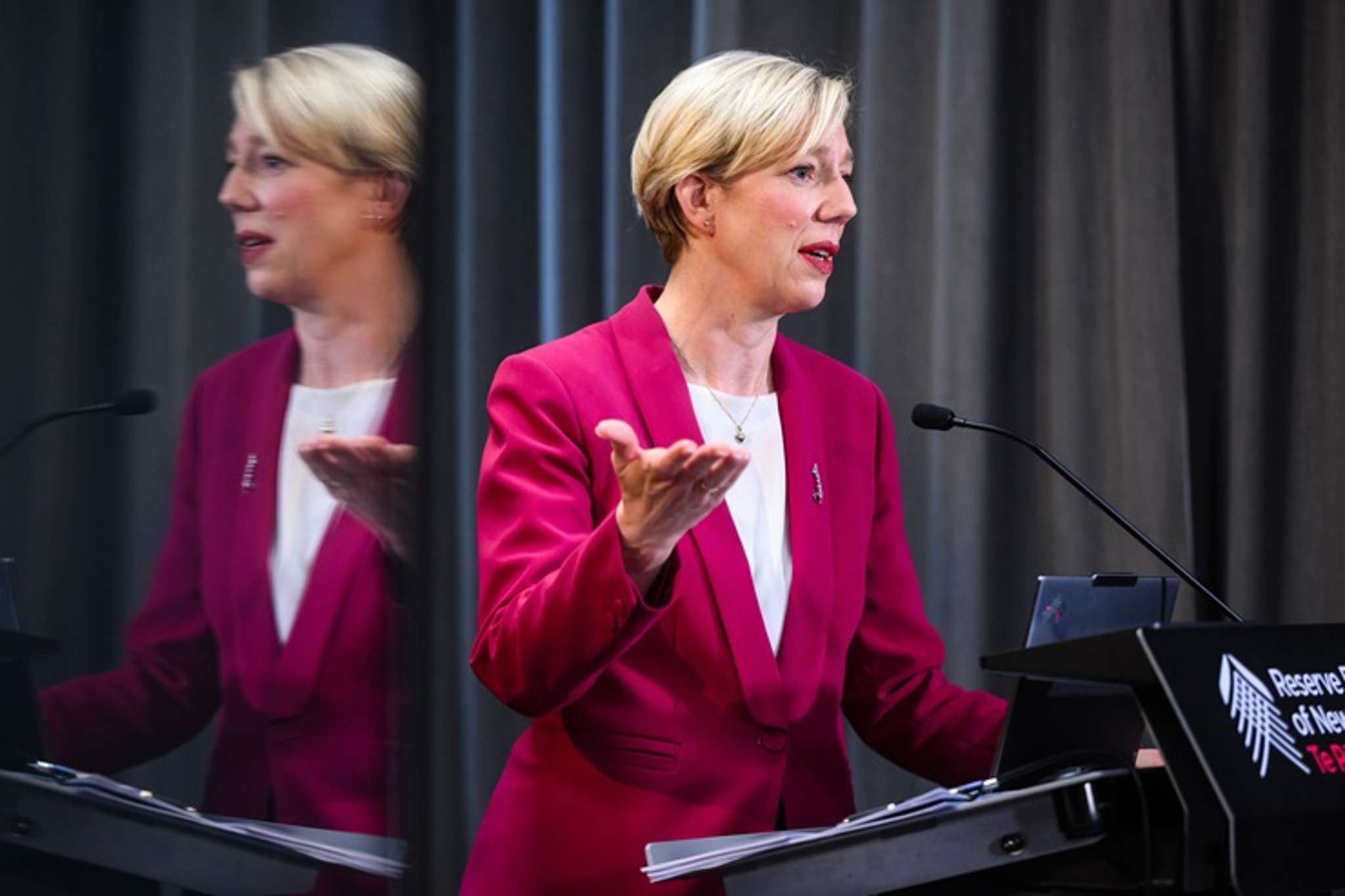
Cotality chief economist Kelvin Davidson: "Mortgages in New Zealand could start to cost more if global interest rates rise." Photo / Peter Meecham
3. Low equity investors are coming back
February’s mortgage data, released last week, was relatively mundane: gross lending flows ticked higher, interest-only activity was fairly stable, bank-switching continued (but at a more modest level than the previous two months), and high debt-to-income-ratio loans remain under control.
Perhaps the most interesting aspect of the figures was the breakdown by loan-to-value ratio, which showed that while owner-occupiers remain well below their speed limit, almost 4% of investors are buying with less than 30% equity. That’s still a low figure, but it’s still the highest seen for many years.
Some things are in investors’ favour at present, such as full interest deductibility and looser LVRs. Still, there are also challenges, including weak rents and rising insurance premiums and council rates. Many will be watching the politics closely, particularly any discussions around capital gains tax and/or suggestions to phase out interest deductibility again.
4. More good news for jobs and house-building?
This week, Stats NZ will publish the February data for filled jobs and new consented dwellings. There’s a good chance that each release will have a positive tone, but that might be the calm before the storm, given that March’s data could look more fragile.
5. What are businesses thinking about Iran?
Perhaps the most intriguing data release this week will be ANZ’s business confidence indicator for March, due out on Tuesday. It would be no surprise to see a sharp drop in firms’ sentiment and a rise in their input cost/output price/inflation expectations responses. Clearly, this would be a very unwelcome combination, but, a bit like the Reserve Bank, we should all keep at least one eye on the medium-term outlook.
- Kelvin Davidson is chief economist at property insights firm Cotality