1. First-home buyers continue to dominate
First-home buyers made around 27% of property purchases last month, according to the latest Cotality Buyer Classification figures. That’s another very strong result (their long-term average is closer to 21-22%), thanks to lower house prices and mortgage rates, and the fact that first-home buyers can access KiwiSaver for at least part of the deposit and take advantage of the low-deposit lending allowances at the banks.
Meanwhile, mortgaged multiple property owners – including “Mum and Dad” investors – are hovering at around 24% of the market, which is broadly in line with their long-term average. Full interest deductibility and lower mortgage rates are supporting this group, but higher council rates, weak rents, and perceived political risk (e.g. the possibility of capital gains tax) may be significant headwinds for some would-be investors.
The other significant group in the market is relocating owner-occupiers, or “movers”. They remain quieter than normal but are still a group to keep an eye on this year, as they tend to rise and fall in line with the economic cycle. If we can get an economic recovery this year, more movers are likely to look at a trade-up or a change of area.
Start your property search
2. Wider market activity levels have made a soft start to the year
The figures above refer to buyers’ market share, but what do the raw numbers reveal? As it happens, it’s been a sluggish start to 2026, with sales volumes (across estate agents and private deals) down by around 8% in January and 7% in February, compared to the same months in 2025. To be fair, December was abnormally strong (perhaps as people rushed through some deals to secure a generous cashback), so there may just be a timing issue in here. But it’s still a good reminder that the prevailing mood is one of caution.
3. ‘Good’ to have a soft GDP figure?
Stats NZ reported last week that the economy expanded by only 0.2% in Q4 last year, which was towards the lower end of economists’ expectations. At face value, it was a disappointing result.
But for those hoping interest rates don’t rise soon or too far if the Reserve Bank needs to fight back against fuel-driven inflation, the latest GDP stats are supportive. After all, they suggest there’s still a reasonable degree of spare capacity in the economy that hasn’t been soaked up by actual growth, which will tend to limit the impact of inflation.

Cotality chief economist Kelvin Davidson says the housing market started 2026 in a subdued mood. Photo / Peter Meecham
For context, the Reserve Bank can probably ignore the initial effects of higher fuel prices because it can’t do anything about that. But the worry is that higher fuel prices could result in a sustained lift in production costs across the economy, which means we're likely to see a more lasting rise in actual inflation and rising inflation expectations too.
4. Worrying hints of inflation even before the Iran conflict
On that note, last week’s selected price indexes from Stats NZ were broadly a little bit stronger than economists had been expecting, with price increases for accommodation, electricity, and domestic airfares showing through in the February data. Of course, these pressures are only likely to intensify with the large fuel price increases already seen in March. That in itself won’t be pleasant for households, and as noted, then you’ve potentially also got interest rate concerns arising.
5. More low-equity investors in February?
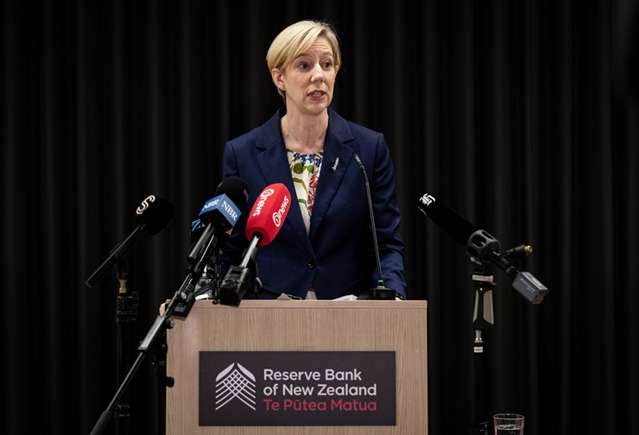
We’ll get mortgage lending figures from the Reserve Bank on Wednesday. I’ll also be keeping an eye on the split by loan-to-value-ratio (LVR). There have already been signs in recent data that the increased speed limit on December 1 has seen more low-equity investors return to the market.
- Kelvin Davidson is chief economist at property insights firm Cotality