ANALYSIS: As had been near-universally expected, the Reserve Bank left the Official Cash Rate unchanged at 2.25%, the level it’s been sitting at since November last year. Inflation, meanwhile, has risen from 2.2% to 3.1% over the last year or so and will exceed 4% thanks to the war in Iran and higher oil and gas prices.
For the Reserve Bank, its current position is nothing new. Central banks have on many occasions had to figure out how to keep inflation under control while a shock ran through the system, bringing higher prices, slower economic growth and the risk of recession.
The rule of thumb is: sit tight until there’s clear information about the inflation and the shock.
Start your property search
At this stage, we can see prices rising across a range of sectors, with widespread predictions of more price rises to follow. The case seems to be made for higher interest rates. But the Reserve Bank is explicitly allowed to “look through” the first round of price rises and will wait to see what happens with the likes of wages, inflation expectations, and business price-setting plans.
We have no information to suggest widespread growth in wages. That is good for inflation and borrowing costs, but bad for households whose earnings now have less purchasing power.
Discover more:
- Tony Alexander: Agents tell it straight - the market is grinding to a halt
- Is a $90,000 green loan the cheapest way out of NZ's fuel bill crisis?
- Which suburbs are winning in 2026 - and which ones are flatlining?
We do have information on higher inflation expectations, with the ANZ Roy Morgan Consumer Confidence survey recently showing a jump in consumer expectations for inflation a year from now to 5.7% from 4.7%. We also have data showing an increasing proportion of businesses planning to increase their selling prices.
But we also have evidence of a hit to our pace of economic growth occurring. Business and consumer confidence levels have plummeted, with my monthly Spending Plans Survey reporting a net 38% of people planning cutbacks. Just two months ago, a net 23% planned to spend more. That is a very large shift, which means the outlook for retail and hospitality this autumn-winter period is bad – again.
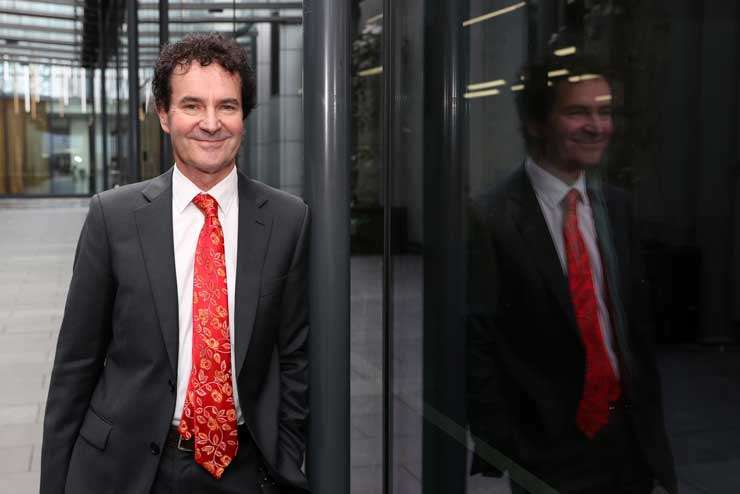
Independent economist Tony Alexander: "The rule of thumb is: sit tight until there's clear information about the inflation and the shock." Photo / Fiona Goodall
Until we have more clarity on how long the period of elevated prices and supply chain disruptions will last, our central bank is likely to do nothing – especially as their bias is towards raising interest rates late in each tightening cycle.
What should borrowers do? Clearly, one’s own view of what lies ahead is relevant. If you believe we face a new deep recession, then floating or fixing one year at most looks optimal.
But if you think the lesson of the 1970s is relevant – stop a prolonged and destructive wage-price cycle developing early by hiking borrowing costs – then favouring a term near three years may be best.
Personally, if I were in this position, I’d view potential borrowing cost changes as one of the least of my worries compared with how to handle newly compressed margins or bigger losses for my business, potential loss of income altogether, and rising costs for my household. So, again, personally speaking, I’d still fix for three years – before the next round of rate rises comes through.
- Tony Alexander is an independent economics commentator. Additional commentary from him can be found at www.tonyalexander.nz