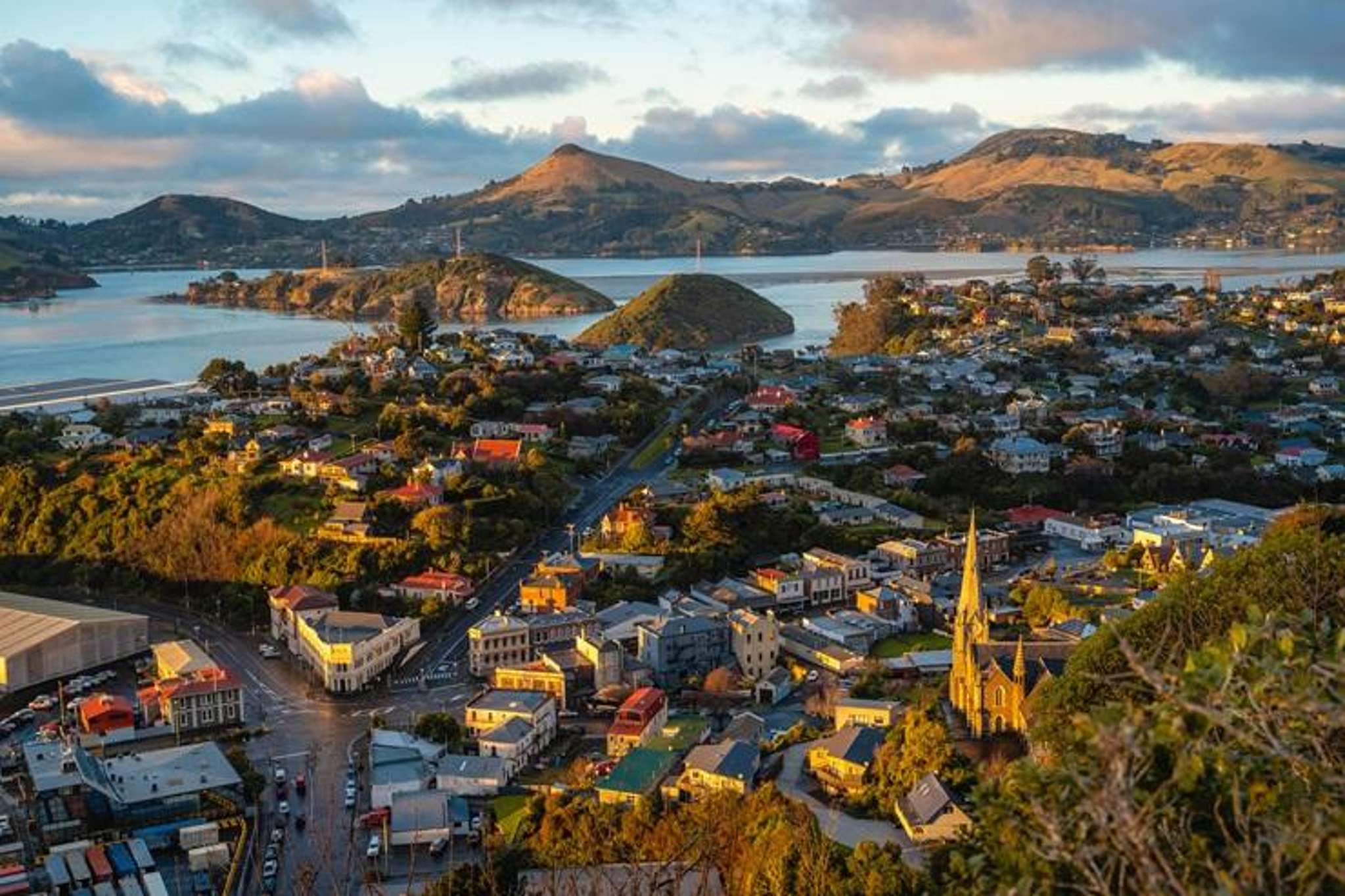
- The nationwide average property value hasn’t changed in three months, with high unsold stock affecting prices.
- ANZ expects house prices to fall 2% in 2026 due to interest rate concerns and the Middle East conflict.
- Auckland and Manawatū-Whanganui saw slight declines, while Southland recorded the highest growth at 2.8%.
New Zealand’s housing market is stuck in neutral, the latest OneRoof-Valocity house price figures show.
Start your property search
The nationwide average property value hasn’t budged in the last three months, with a high volume of unloved stock in key markets taking its toll on prices.
Heightened concerns about interest rate hikes and inflation are having an impact, with the country’s largest bank expecting house prices to fall 2% in 2026 amid the Middle East conflict.
Previously, ANZ had forecast house price growth of 5% for this year.
The bloat in the market, especially in Auckland, has blown out sale times and dented auction clearance rates. The number of homes for sale on OneRoof at the end of March was 8% higher than it was a year ago, with new residential listings dropping slightly over the same period.
The OneRoof-Valocity figures showed the average property value in 12 regions had largely stagnated over the first quarter of the year. Four regions - all in the South Island - saw property value growth of more than 1%, with Southland the country’s strongest performer, with value growth of 2.8%.
Canterbury, Otago and the West Coast all recorded new peaks in average property values, underpinned by solid buyer demand at all price points. Affordability and perceived value for money are key drivers in all three regions, but Otago’s prestige market – particularly around Queenstown-Lakes – has been especially strong and could draw further interest from foreign buyers holding golden visas.
Auckland and Manawatū-Whanganui were the only regions to record a decline in property values, though the falls were less than 1%. Over the past year, Auckland values have dropped 3.3% (about $43,000) and now sit 5% below their level five years ago.
Wellington may finally be turning a corner, with average property values edging higher after almost two years of declines. A 1.3% lift in Kapiti Coast prices helped pull the region out of the doldrums, although values continue to fall in Porirua, and Wellington City prices remain just 2% above pre-Covid levels.
At a metro level, Dunedin recorded the strongest quarterly growth, with average values in the city rising 3.5% ($23,000) to $686,000. Prices also increased in Invercargill (2.2%), Rotorua (1.9%) and Hamilton (1.1%).
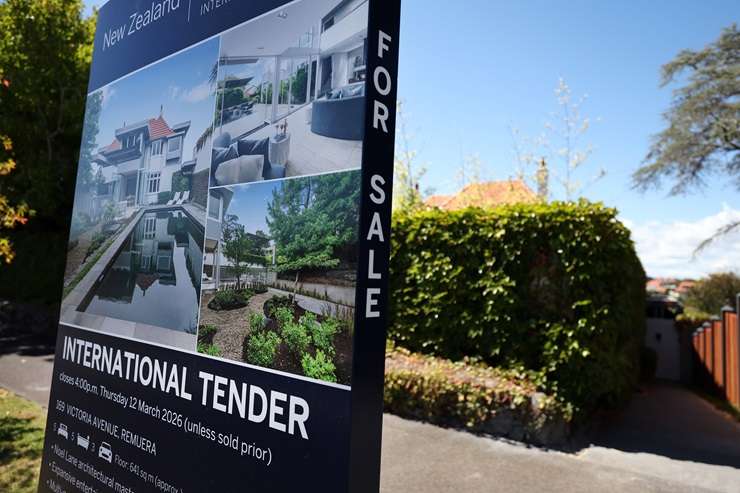
Demand for property is holding up in Auckland’s Remuera but the rest of the city has had a difficult summer. Photo / Fiona Goodall

OneRoof editor Owen Vaughan: "Nearly a third of listed Auckland homes have sat on the market for five months or longer." Photo / Fiona Goodall
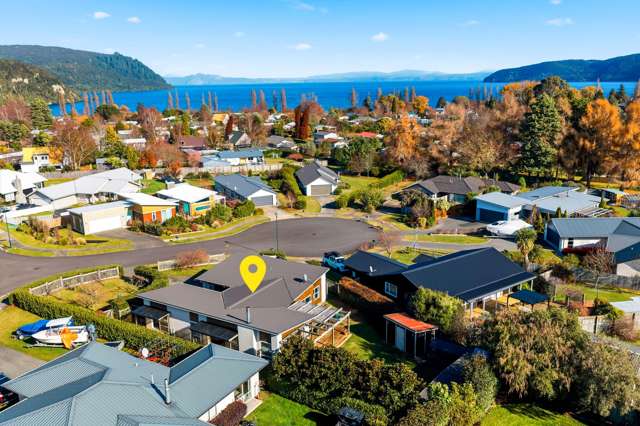
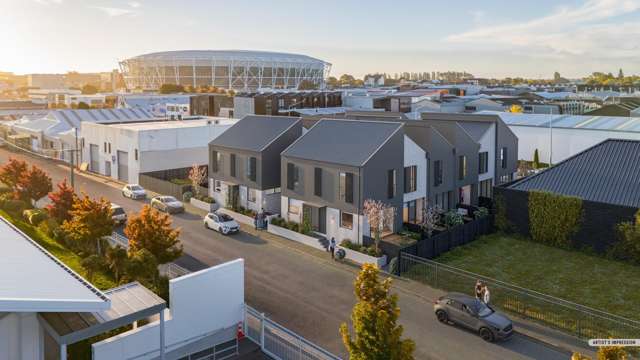
Taupō recorded the steepest decline over the period, with the lakeside town’s average property value dropping a sharp 2.7% (around $25,000). On an annual basis, the largest falls were in Auckland’s Manukau and Waitākere districts, where much of the country’s unsold townhouse stock is concentrated.
At a suburb level, the strongest quarterly gains were concentrated in some of the country’s smallest markets. Otematata, in Waitaki, led the charge, with average property values jumping nearly 9% to $586,000. Rotorua suburbs Kawaha Point and Utuhina also saw solid summer momentum, both rising about 6% to $789,000 and $605,000 respectively, while Murupara, in Whakatāne, recorded a 5.3% lift to $220,000.
Of the 932 suburbs nationwide that recorded at least 20 settled sales over the past 12 months, 476 posted value growth over the quarter and 469 were higher year-on-year. Almost the same number, however, either flatlined or declined. A similar split is evident on an annual basis, but a more concerning trend is that average property values are now lower than two years ago in 557 suburbs, with Auckland and Wellington accounting for a large share of those declines.
However, some Auckland suburbs are delivering strong dollar gains for homeowners. The average property value in Onetangi, Waiheke Island and Remuera each rose by more than $50,000 over the quarter. However, the biggest annual gains were recorded in Queenstown‑Lakes, with house values climbing by $317,000 in Arrowtown and $273,000 in Lake Hayes.
It is clear, though, that the growing build‑up of unsold homes is weighing on overall property values.
Nationally, total stock on OneRoof is up about 8% year-on-year, despite new listing volumes remaining flat. Almost half of all active residential listings have been on the market for more than 75 days. Auckland is close to the national average at 46%, while Wellington and Canterbury are notably lower at around 36%, pointing to faster turnover in those regions.
Auckland is driving much of the stock increase, with active listings 10–15% higher than a year ago. The city now accounts for 37% of New Zealand’s inventory, with nearly a third of listed Auckland homes having sat on the market for five months or longer.
Canterbury tells a different story, with total stock down 3-7% year-on-year, indicating a stronger sales clearance rate across the region.
- Click here to find properties for sale