ANALYSIS: Responding to some extra unexpected weakness in the economy over the first half of this year, the Reserve Bank has decided to cut the Official Cash Rate 50 basis points to 2.5%. This reduction exceeds the last three cuts, and because the financial markets were only partly positioned for a chunky cut, we can expect some extra reductions in bank borrowing costs.
These reductions will flow through to floating mortgage rates, which should fall by around 0.5 percentage points, and fixed mortgage rates, which will likely fall by much smaller amounts.
The economic data tell us that things are weak, but that the lowest point for activity was probably during the June quarter, when gross domestic product fell by 0.9%.
The economy is improving, but there is a high degree of impatience about the slowness of the upturn, and this has generated considerable pressure on the Reserve Bank to speed things along with extra lowering of borrowing costs.
Start your property search
The problem is that while lower interest rates will make people feel things must surely improve, there is a risk of over-stimulating the economy from late-2026 to 2027, when the impact of rates falling from August 2024 will largely be felt.
For example, NZIER just released Quarterly Survey of Business Opinion for the September quarter, and most measures were much weaker than expected, including investment intentions, which worryingly fell from a net 8% positive to 13% negative. But the net proportion of businesses planning to raise their prices over the next three months went from -2% to +7%.
Discover more:
- Tony Alexander: Buyers can see where house prices are heading
- 'If the economy doesn’t pick up, one-year rates could drop to 3.99%'
- 90 days was all it took for prices in this suburb to jump $130,000
The ANZ’s monthly Business Outlook report last week showed a rise in the net proportion of businesses planning price rises in the coming 12 months to 46% from 43% last month and a low of 35% 15 months ago. The average level consistent with inflation near 2.4% since 1992 is 26%.
Then there is the list of pricing changes in the building sector which I get sent each month. The one just in shows price rises of 1.7% to 16% with the common increase being almost 6%.
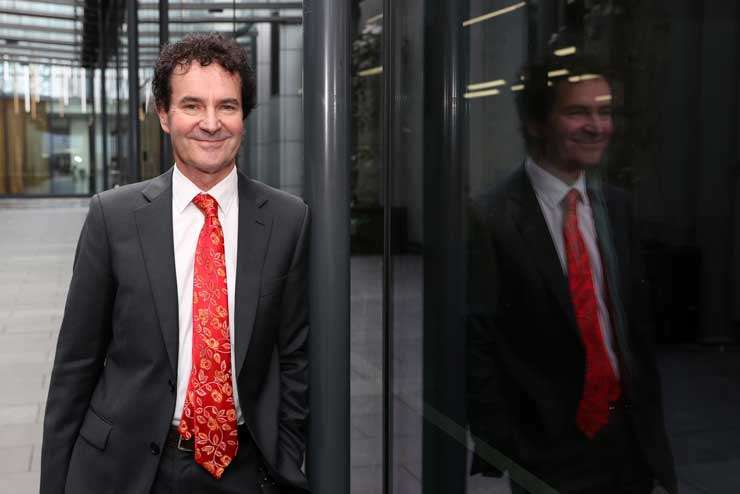
Independent economist Tony Alexander: "If I were borrowing at the moment, I would personally be quite happy to fix five years just below 5%." Photo / Fiona Goodall
There was also something else of interest from the NZIER’s survey. Whereas there was a rise in the net proportion of businesses saying unskilled labour is easy to find – to 31% from 23% – the portion saying skilled people are easy to find fell to 10% from 18%. This is giving a hint that once economic activity picks up more strongly next year shortages of skilled staff could appear quite quickly.
None of these numbers argues against an extra easing of monetary policy at the moment. But they do suggest caution is required in one’s assessment of when the cyclical recovery in economic activity leads to a cyclical recovery in inflation and how strong that rise in inflation further out might be.
That is why if I were borrowing at the moment, I would personally be quite happy to fix five years just below 5%. It would mean paying an extra 0.5% this year and maybe next, which will be too great a cost for most people who will continue to opt for terms near-12 months. But good security will be gained against rate rises further out. After all, our central bank has a tendency to ease too much for too long and then be forced into crunching interest rate rises 2-3 years down the track to get inflation back under control.
- Tony Alexander is an independent economics commentator. Additional commentary from him can be found at www.tonyalexander.nz