- OneRoof figures show Omaha’s average property value soared by $130,000 in 90 days to just over $3m.
- Point Wells also saw significant growth, with values up $72,000 to $2.53m.
- Nationwide, three-quarters of suburbs saw declines, with Auckland’s average dropping $23,000 to $1.26m.
Omaha is New Zealand's hottest suburb. In just 90 days, property prices in the wealthy beach town, on Auckland's northern fringes, have soared by $130,000 on the back of big sales and rising demand for premier beach homes.
Start your property search
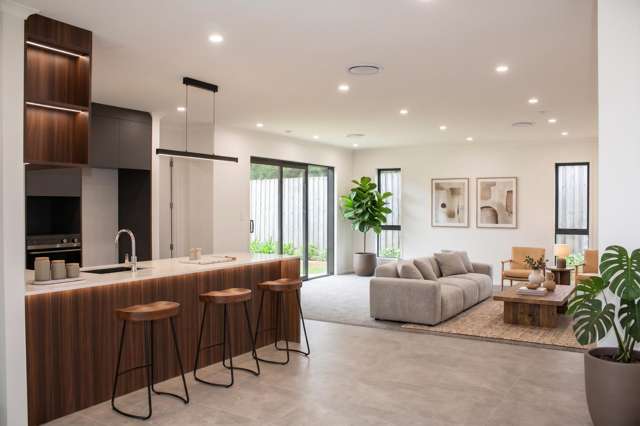
Omaha's average property value hit a new high, taking the suburb into the exclusive $3 million club for the first time.
The latest figures from the OneRoof-Valocity House Value Index highlight Omaha's special position in the market right now. Its quarterly gain, the country's biggest, is almost double that of the next hottest suburb, neighbouring Point Wells, where average property jumped $72,000 to $2.53m.
And both are among only a handful of suburbs where property values are up by more than $100,000 year-on-year.
Listing agents in Omaha and Point Wells told OneRoof that there had been a resurgence in both suburbs over winter, particularly in the $3m-plus range, with buyers finally making moves after a year or two of sitting on the sidelines.
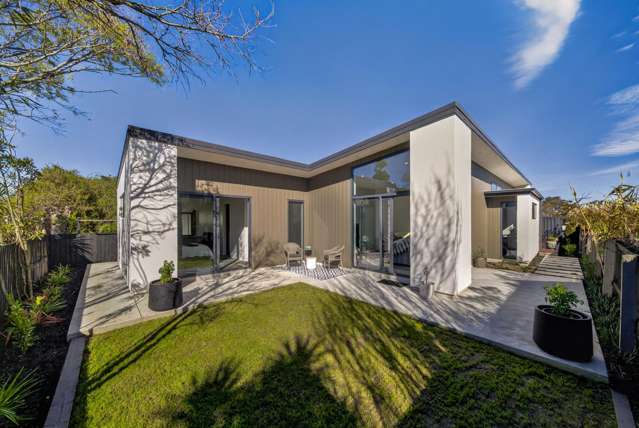
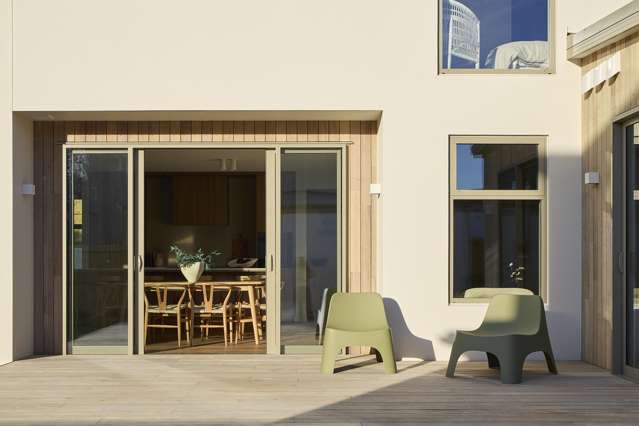
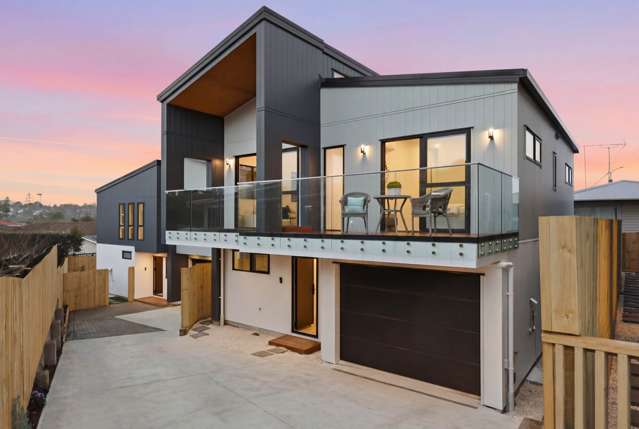
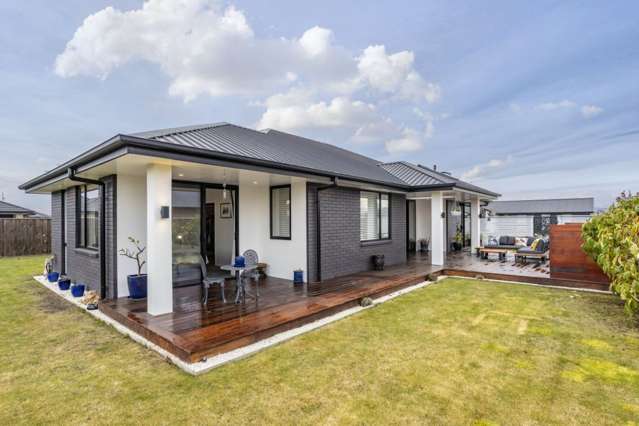
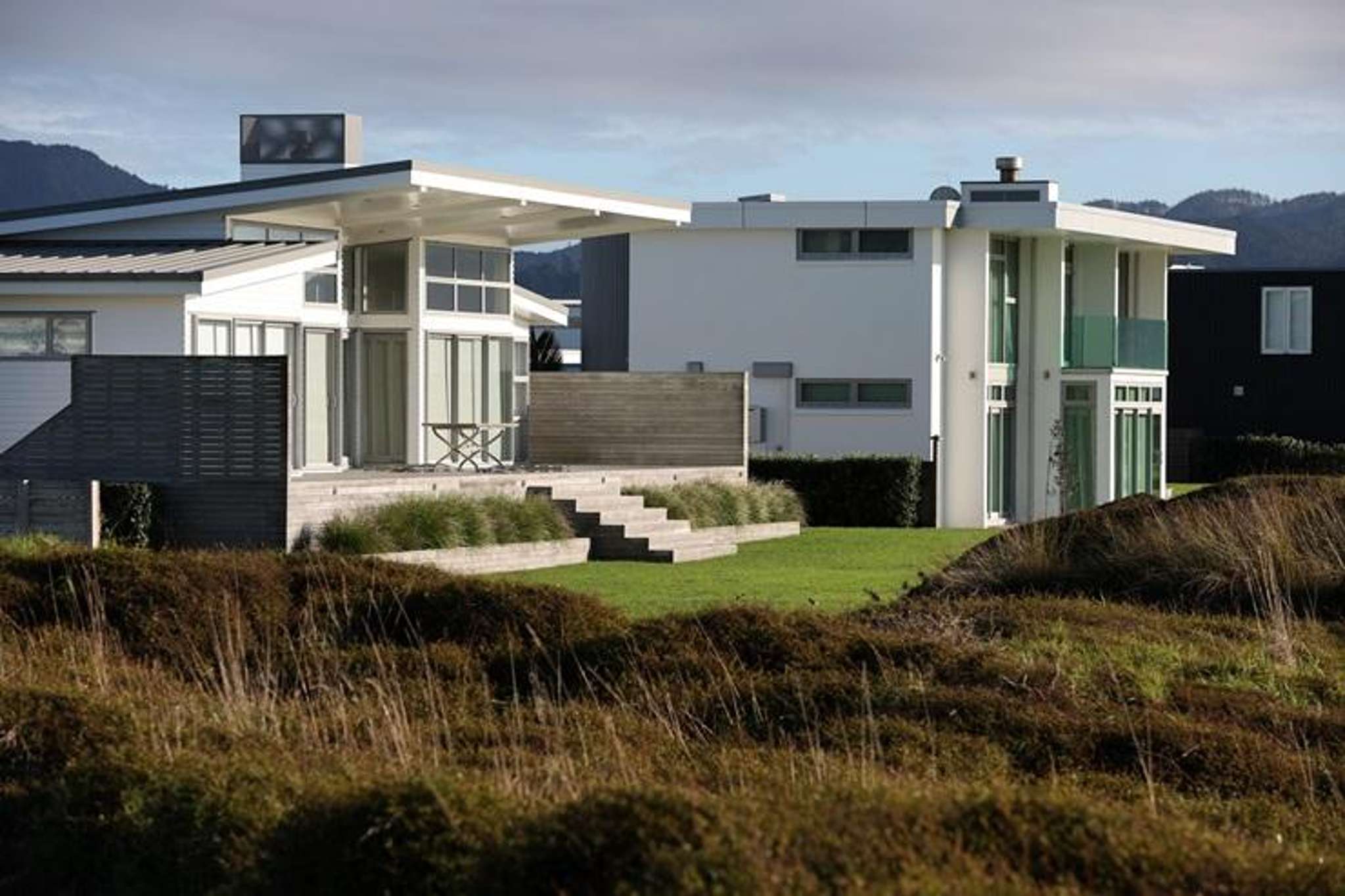
Precision agent Di Balich said she sold a modern, two-storey bach on May Way, in Omaha, for $3.575m - $700,000 above RV - in September after its first open home.
“Buyers are feeling a little bit more positive about the economic environment. They recognise there’s some stability in the market and so the timing is good for making a decision.”

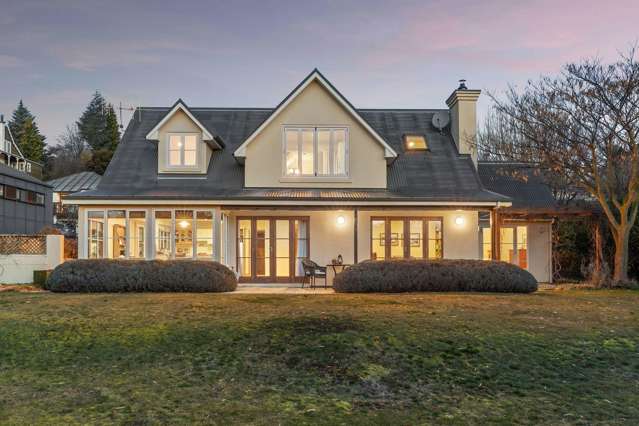
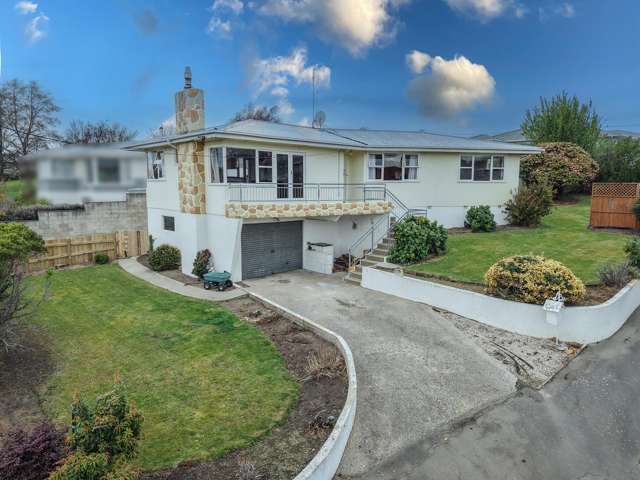
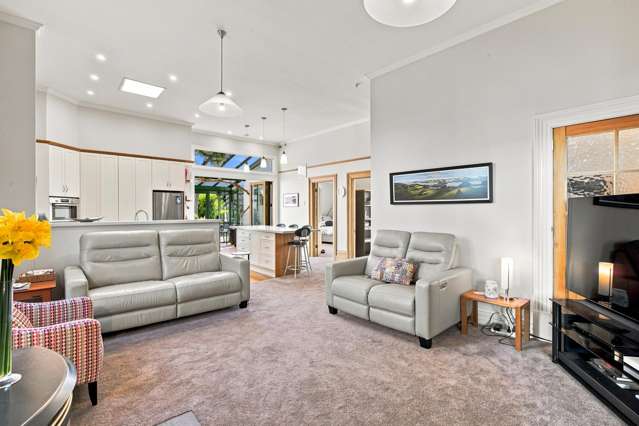
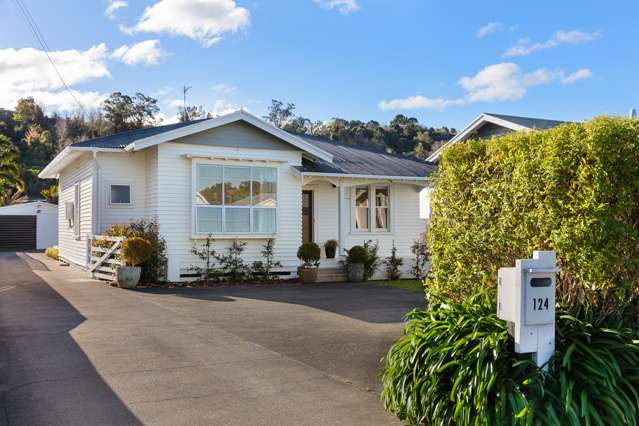
A two-storey bach on May Way, in Omaha, sold for $3.575m last month after buyers moved fast. Photo / Supplied
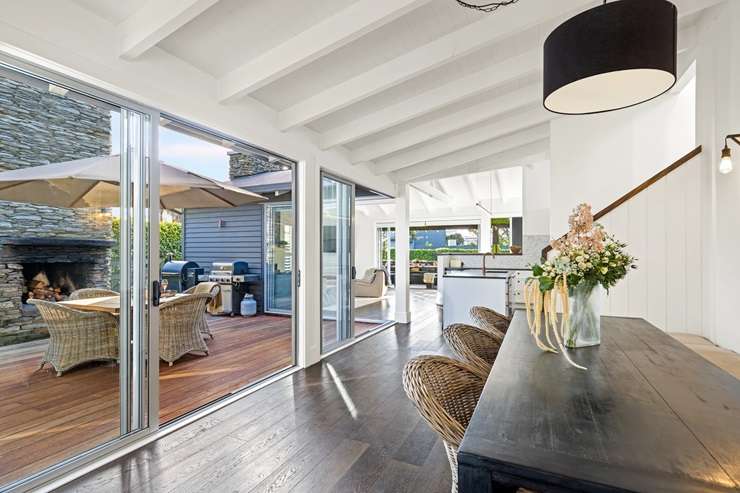
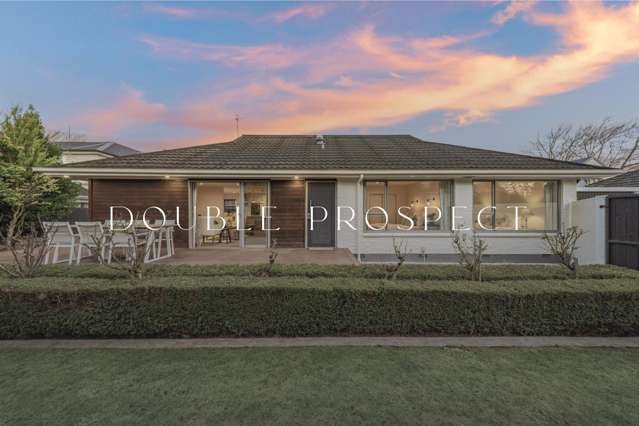
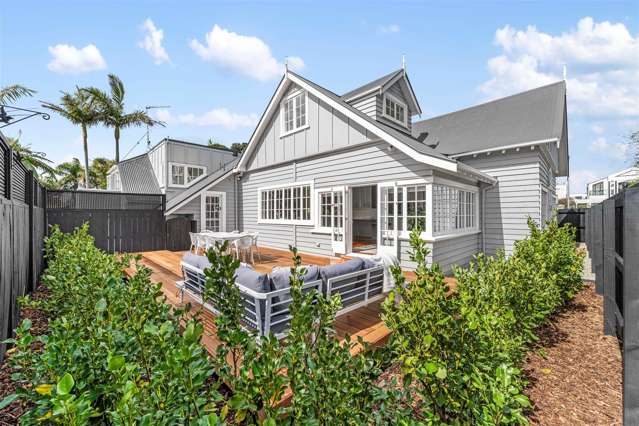
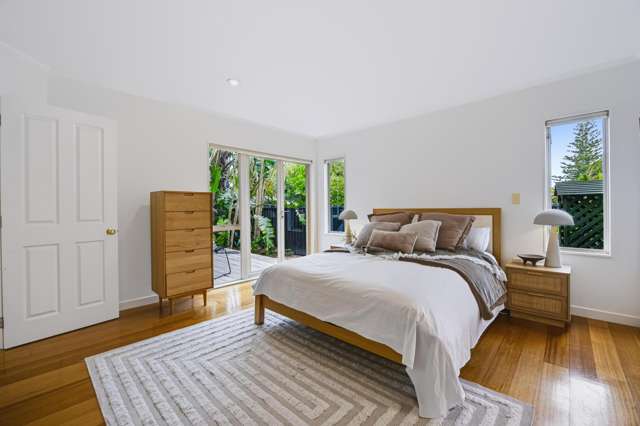
Another modern Omaha beach home on Mangatawhiri Road sold within two weeks of hitting the market. Photo / Supplied
She noted that Omaha was “not the place for bargains, because there aren’t any to be had”, but some vendors in the town were still holding out for higher prices.
“You present a very good offer and the vendors turn it down, saying that the market hasn’t caught up with their expectations. People have very strong opinions of what their property is worth.”
Ray White agent Victoria Turner has also felt the rush. Earlier this month she sold a property on Mangatawhiri Road to first-time Omaha buyers for $3.275m within two weeks of taking it to market, and last weekend, she had over 30 groups through three open homes.
“I think there's a sense that the Omaha market is on the rise again and now is the time to secure a property,” she said. “It's going to be the summer to get on.”
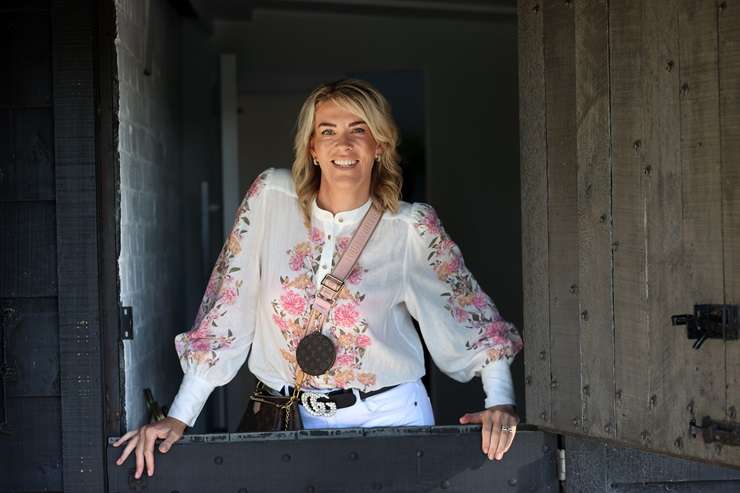
Bayleys agent Heather Walton-Bycroft: "I've got Americans here renting high-end homes waiting for their residency to come through." Photo / Fiona Goodall
Bayleys agent Heather Walton-Bycroft said there was some regret among Omaha buyers who sat on the sidelines last year. “I've had people who have said to me, 'I wish I had bought last year'. Now prices are lifting again, it sort of reminds me of the market post-GFC, when people looking for a bargain waited too long.
“So we're at that panic zone and that's why there's been some quick sales.”
She said foreign buyers were also waiting the wings. “I've got Americans here renting high-end homes waiting for their residency to come through before their purchase,” she told OneRoof.
However, the OneRoof-Valocity figures also show that the number of growth suburbs has shrunk amid growing economic uncertainty, with house values in three-quarters of the country's suburbs falling by as much as $128,000 in the last three months.
The nationwide average property value fell by 0.8% ($8000) over the last three months to $957,000 - exactly where it was a year ago, and only $14,000 above its lowest point since the market slumped.
Six of the country's 16 regions recorded lifts in their average property value. Growth, however, was minimal, with the biggest riser, Tasman, up by only 0.7%.
Property values were up by 0.5% in Southland and Bay of Plenty; less so in West Coast (+0.4%), Hawke's Bay (+0.3%) and Otago (+0.1%).
Property values in Canterbury and Northland were flat over the quarter, and dipped slightly in Taranaki (-0.3%), Manawatu-Whanganui (-0.5%), and Waikato. Values dropped by more than 1% in five regions, with the biggest slides (-2.1%) in Marlborough and Gisborne.
Auckland prices suffered the biggest dollar drop, though. The $23,000 hit took the region's average property value to $1.26m - $316,000 below its peak value and back to January 2021 levels.
Of the country's seven major metros, Tauranga was the star performer, with the city's average property value up by 1.8% to $1.08m, driven by big-ticket sales in wealthy Mount Maunganui and solid action in the city's more affordable suburbs.
Values were also up, but only slightly, in Queenstown-Lakes (+0.6%) and Christchurch (+0.4%), but overall market weakness weighed down values in Dunedin (-0.9%), Wellington City (-1.1%), and Hamilton (-1.2%).
Rodney was the only Auckland district to dodge the slump, but growth was zero, not positive. Property values in Franklin, Manukau, North Shore, Papakura, and Waitakere dropped between 0.9% and 1.4% over the quarter, but the 2.6% plunge in Auckland City signals a loss in confidence in the country's biggest housing market.
Nine out of 10 Auckland suburbs lost money, with the biggest losses - both in the district and nationwide - in neighbourhoods normally considered bulletproof. The average property value in Ponsonby and Meadowbank, both popular with middle-class, aspirational buyers, dropped by $128,000.
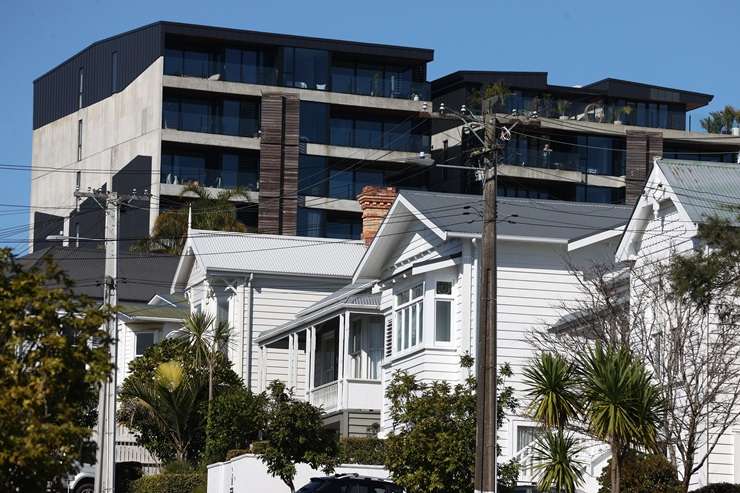
The average property value in the trendy Auckland suburb of Ponsonby fell by $128,000 over the last three months. Photo / Fiona Goodall
Listing agents in Ponsonby told OneRoof that the high-end stock that typically drives prices in the suburb had been absent from the market over winter. Bayleys' Joe Telford said: “We’re still seeing a number of investors divesting their rental properties; they’ve had them for a long time, and that has driven down the average sale price.”
He said there was strong demand for villas in the $2m to $2.5m range, but noted that not many classic Ponsonby villas were for sale right now.
Of the 921 suburbs with 20 or more settled sales in the last 12 months, 243 recorded value growth over the quarter, and 481 were up year-on-year.
The biggest percentage increases in the three months to the end of September were in Mahia (+5.2%), Wairoa (+4.8%), and Omaha (+4.5%), while the biggest annual increases were in Omaha (+13.2%), Woodville (+12.5%), and Point Wells (11.3%).
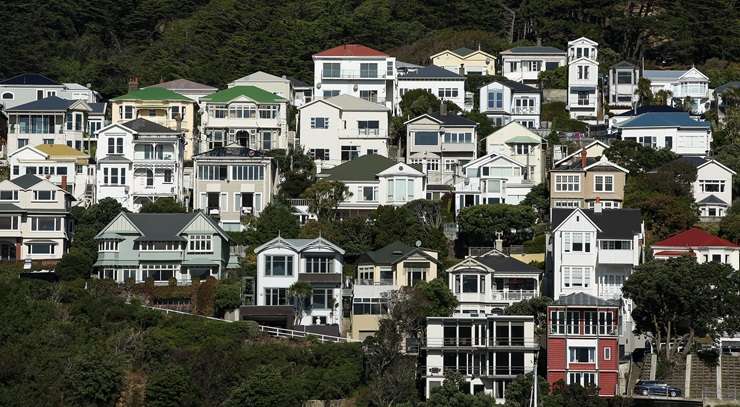
House prices in Oriental Parade are cheaper now than they were just before Covid hit. Photo / Getty Images
Auckland dominates the list of falling suburbs for the quarter, but the biggest annual drop was in Wellington Central, with the average property value in the apartment-heavy suburb down 13.6% to $457,000.
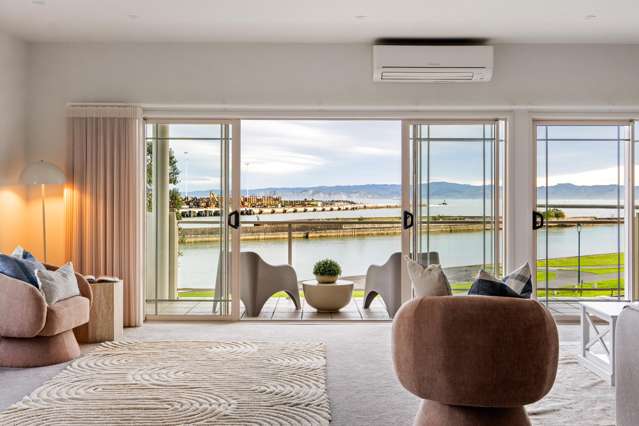
Wellington Central is one of 10 suburbs in the capital where property values are lower now than they were just before Covid hit. The shine has well and truly come off Oriental Parade. Once New Zealand's most expensive place to buy a home, the suburb has now dropped out of the $2m club, with its average property value sitting at $1.99m - almost $200,000 below where it was at the start of 2020.
* Additional reporting by Catherine Smith
- Click here to find properties for sale