ANALYSIS: I’ve largely completed the surveys I undertake each month, which can give good insights into where consumers might spend more money, what businesses are up to, and how the housing market is tracking. For consumers, the situation looks about the same this month as it has for the previous three months.
More people say they plan to raise their spending levels than cut back, and most gauges for individual things like buying cars and furniture are at above average levels. So, retailers can reasonably anticipate improving sales as we roll out of spring and through summer, but no boom.
Businesses anticipate much better times ahead, but have become more concerned about cyber security risks as stories abound of rogue AI agents and increasing losses of money globally to the booming scam industry.
As yet, there is no great lift in hiring intentions underway, but intentions to invest in new plant and machinery are mildly positive, and that supports an outlook of acceptable but not stellar growth in the economy next year.
Start your property search
In the housing market, real estate agents still report next to no feelings of FOMO and that buyers strongly feel that time is on their side. Investors remain in short supply, but first-home buyers are reasonably abundant though not hurried.
Discover more:
- Tony Alexander: The recovery's coming, but not the boom
- Developer’s desperate $1 auction as lender turns the screws
- Kiwi billionaire sells his beachfront estate for $40m
Prices are generally still seen as falling, and 45% of agents say that this is a key thing buyers are concerned about alongside employment and rising interest rates.
We can also see concerns about interest rates in my survey of property investors with Property Consortium, but the main worry existing investors have remains council rates.
One interesting result from my investors survey is a jump in the proportion of investors looking to make a purchase who say they will favour buying a new home rather than one already built.
These are early days in the cyclical upturn for the home construction sector. Still, this reading, alongside the passage of time since building consent numbers started growing strongly in the second half of last year, tells us that stronger times lie ahead for the house building sector.
But like a lot of things, the comment that needs to be added here is “once the election is out of the way”. Because the opinion polls are not strongly leaning in any particular direction, there is considerable uncertainty about what policy changes may occur next year and what the mindset of people may be – especially in the business sector.
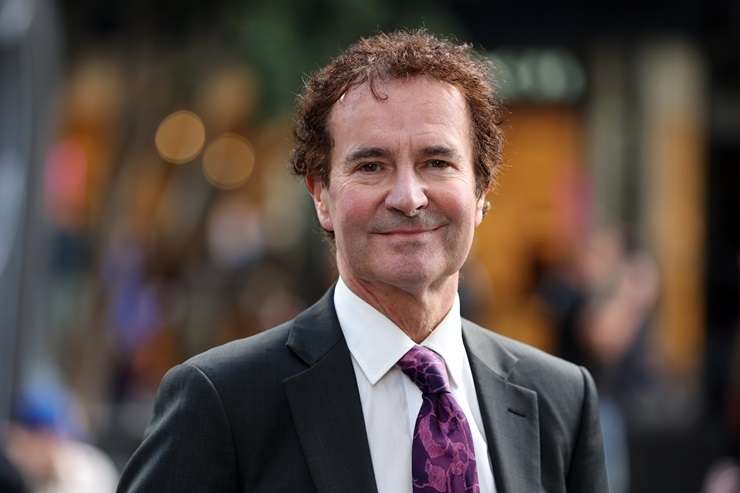
Independent economist Tony Alexander: "The future remains uncertain, and that means it is a good idea to build up some buffers." Photo / Fiona Goodall
As we look ahead to 2027, the balance of factors likely to be in play suggests our economy will show reasonable growth – as discussed last week. But alongside the potential for an election outcome that's unfriendly to business sit the many overseas issues that could worsen.
Oil supplies could be further disrupted as fighting spreads in the Middle East – especially with the risk of renewed US attacks against Iran once the US mid-term elections are over in a fortnight. The situation in Ukraine shows no sign of improving, and risks are growing of greater Western European involvement in the conflict with Russia.
The threat of El Niño sits over primary production in some parts of New Zealand this season, and that could impact food prices. Bird flu may also have a large impact if it reaches poultry farms around the country.
There is also a high chance that at some point in 2027 the Reserve Bank will admit that underlying inflationary pressures associated with an acceleration in our rate of economic growth risk causing inflation to rise rather than slide comfortably to 2% as it has predicted.
The future remains uncertain, and that means it is a good idea to build up some buffers during times when the sun does shine well on one’s personal, business or government finances.
- Tony Alexander is an independent economics commentator. Additional commentary from him can be found at www.tonyalexander.nz