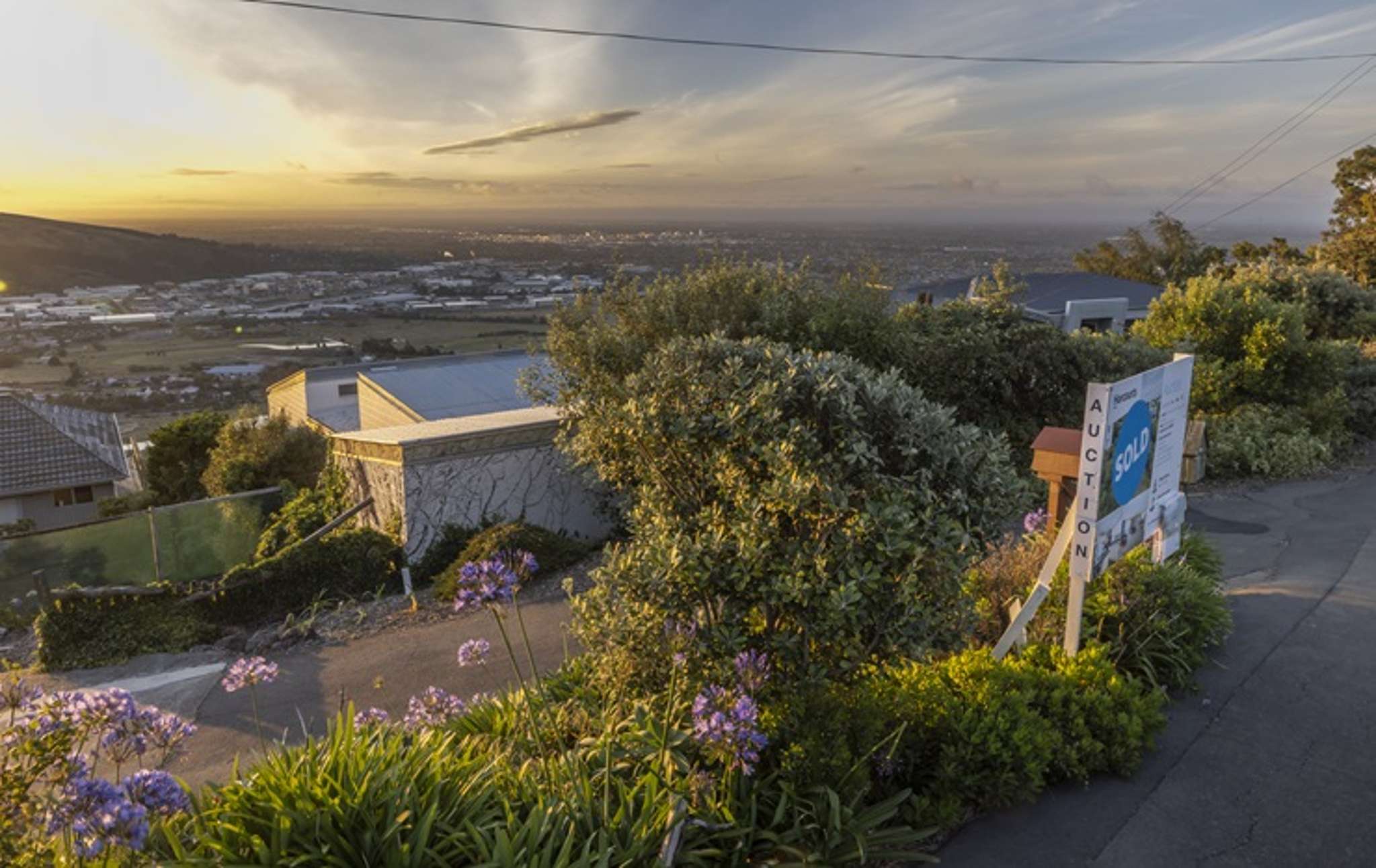
ANALYSIS: Last week I ran through some of the factors helping explain the recent weakness in New Zealand’s residential real estate market which I have seen coming through in my various monthly surveys. Now, we have evidence from REINZ showing the extent of that weakness.
Amidst the plethora of house price measures available in New Zealand the only one I look at is the nationwide House Price Index calculated by REINZ using analysis undertaken previously with the Reserve Bank. This index fell by 0.6% in May we have just learnt.
Is this meaningful? On a one-month basis, no. But when we consider that this measure fell 0.3% in April and 0.6% in March, it becomes clear that house prices around the country are once again falling.
Start your property search
I say once again because a similar thing happened in 2024. Between May 2023 and February 2024 average prices rose just over 5%. They then fell almost 4% until August last year. Between that month and February this year, they recovered 2.5%. Now they have just retreated by 1.5% and sit where they were at the end of 2022 and the start of 2021.
Prices on average have shown no growth from four and a half years ago. Given that mortgage rates have been falling since August last year, it seems best to conclude that this absence of growth largely reflects a surge in new house supply.
Discover more:
- Tony Alexander: Who'll blink first on unrealistic asking prices?
- Shortland Street star turns down CV-busting offer for her Westmere home
- Revealed: The most expensive street in every Auckland suburb
Listings are more than double what they were in mid-2021 and high awareness of the large number of properties for sale will be a factor making buyers feel almost no FOMO.
The many vendors currently frustrated at their inability to get the price they want might be looking at some of the economic commentary doing the rounds at the moment and conclude that interest rates have a lot further to fall. This commentary is coming on the back of some weaker-than-expected readings for the manufacturing and services sectors in New Zealand. But I would urge caution.
First, we should take all monthly data with a large grain of salt at the moment because of the disturbances to sentiment created by the US-initiated tariff war and now actual war in the Middle East. It would be dangerous to strongly extrapolate monthly readings which could easily whip back the other way.
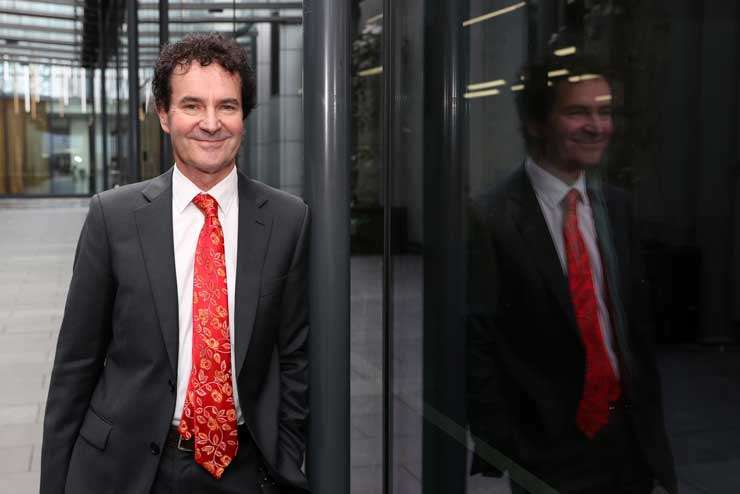
Independent economist Tony Alexander: "History tells us that eventually the rural upturn will feed through into the cities." Photo / Fiona Goodall
Second, some inflation measures in New Zealand are creeping higher, and actual inflation could soon move back above 3% because of things like increased food prices. The Reserve Bank’s primary target is low inflation as a contributor to good growth, not strong growth itself.
Third, the Reserve Bank must surely have learnt a lesson from its errant actions during the pandemic. Panicked decisions based on over-extrapolation of weak developments and unwillingness to back away from “an abundance of caution” have given us the extreme volatility which has destroyed thousands of livelihoods throughout the country since 2020.
They are likely to want to wait to get a strong feel for what is really happening rather than assuming we are headed back into recession.
Fourth, in some regards, we are at a classic stage of our economy’s traditional recovery. In the cities, people are dour, house prices are falling, worries abound, and the future looks bleak. But in the countryside returns are great and optimism prevails.
History tells us that eventually the rural upturn will feed through into the cities. That process has commenced and will be seen first of all in Invercargill and Dunedin, then Christchurch, New Plymouth, and Hamilton, then Auckland, and last of all Wellington.
Only if the Reserve Bank policy committee members base their policy choices on the woe they see on the Terrace, Lambton Quay, and Courtenay Place in Wellington will monetary policy be again aggressively eased. I’d say they will hold off extra easing for now and maybe for quite a few more months to see what really happens.
- Tony Alexander is an independent economics commentator. Additional commentary from him can be found at www.tonyalexander.nz