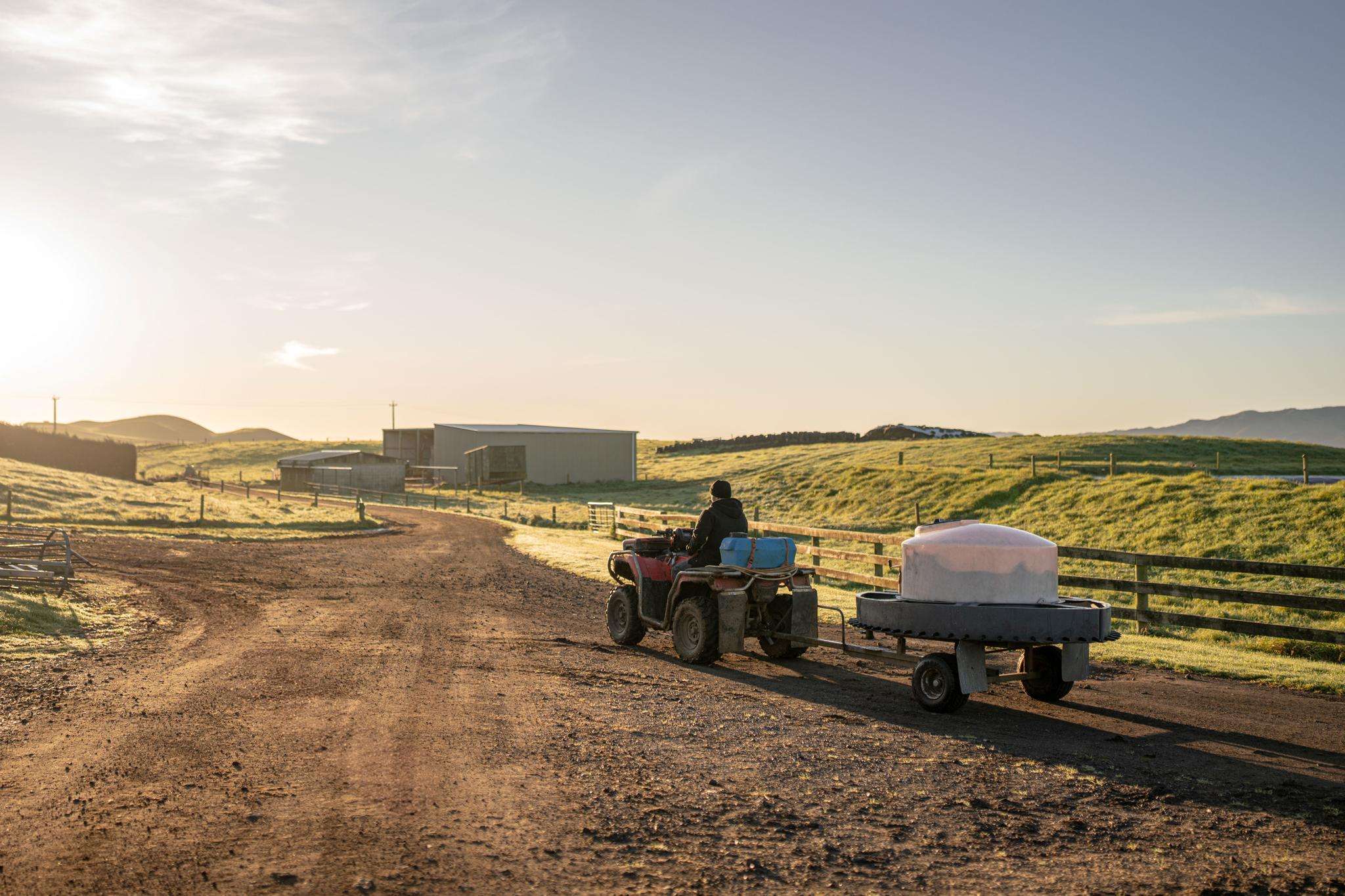
The rural sector has propped up New Zealand’s economic performance during the first half of 2026 on the back of high commodity prices and strong dairy payouts, according to the latest research from Colliers.
In mid-April 2026, Fonterra paid out a substantial $5.4 billion capital return and special dividend following the sale of its Mainland Group consumer business. Farmers received an average cash windfall of roughly $400,000.
The latest monthly research report from the Colliers Research & Economics team examined New Zealand’s economy during the start of the year, with the strength of the rural sector a notable highlight.
Hamish Fitchett, National Director of Research & Economics at Colliers, says regional commercial property markets have benefited from this strong local economic performance.
Start your property search
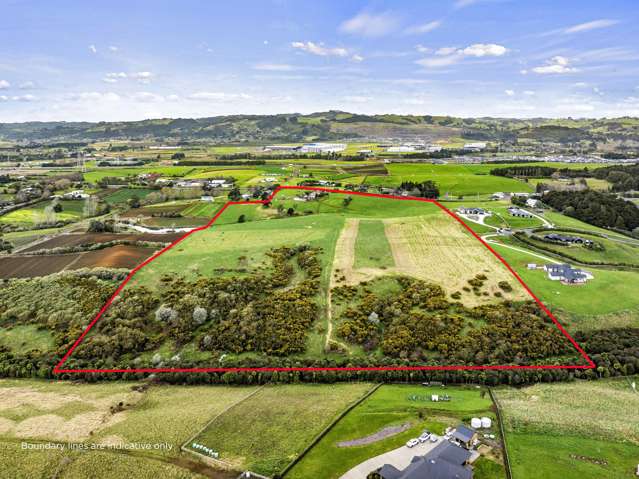
“When dairy export prices increase, the rural economy has more funds flowing back into local markets, and this drives up farm sales prices,” Fitchett says.
“The current cycle has been no different as farm sales prices increased by an annual average of 5.2 per cent over the 12 months to April.”
Looking at the broader economic picture, Fitchett says the first half of 2026 has continued in much the same way as the past few years.
“International shocks and slow economic growth have weighed on New Zealand’s commercial property markets, but underlying fundamentals remain resilient, investors are active, and enquiry rates have rebounded.”
MSCI data shows total returns for all commercial property in New Zealand have increased from around 6.3 per cent in March 2025 to 8 per cent in March 2026, which is promising for investors.
Property income returns have remained relatively stable at around 5 to 6 per cent, supporting robust total returns.
In the report, the Colliers Research & Economics team also cast their gaze forward to what may impact the commercial property market in the second half of the year.
Fitchett says one key consideration is the potential for industrial vacancy rates to drift higher in major markets.
“The oil shock will continue to weigh on industrial activity. This is partially offset by increased warehousing demand as firms hold more inventories in regional stockpiles to facilitate quicker delivery times and avoid supply shortages.”
The impending opening of the City Rail Link will generate strong public interest and potentially provide a boost to Auckland’s secondary office markets in precincts away from the waterfront.
The upcoming election may cause sales and leasing activity to slow as people wait out the period of heightened uncertainty.
“The counter to this is that it creates opportunities and those willing to transact during this period will have less competition and be able to secure more attractive deals,” Fitchett says.
Fitchett says retail markets may face lower levels of growth as the year progresses.
“New entrants into the market will be able to secure good premises, but trading conditions will remain tight as interest rates start to rise from July. Bulk and large format retailers will continue to perform well as they meet consumer budgets.
“Closely tied into this, consumer price inflation is set to increase, and construction costs are likely to rise too as the oil shock has stretched some global supply chains. Commercial property yields will firm as interest rates enter the next tightening cycle.”
Fitchett says regional divergences will continue to be notable with the South Island and other rural areas continuing to perform strongly, but this could normalise if climate model predictions for a dry end of the year play out.
- Supplied by Colliers