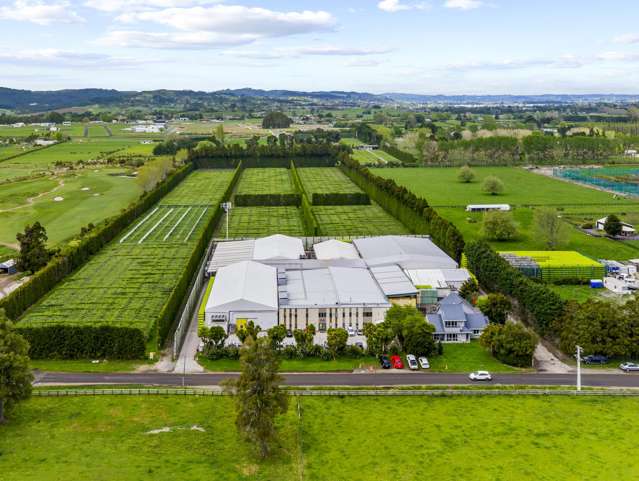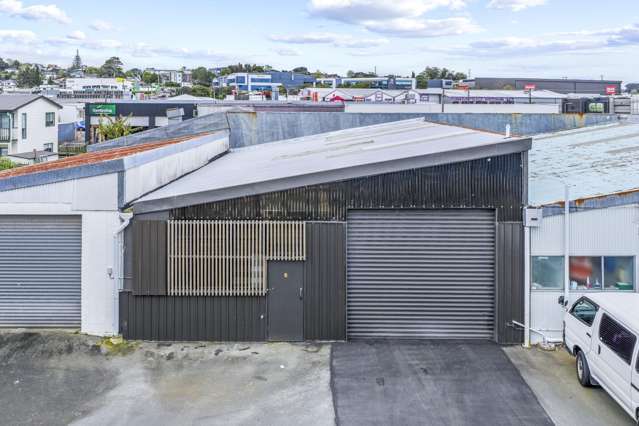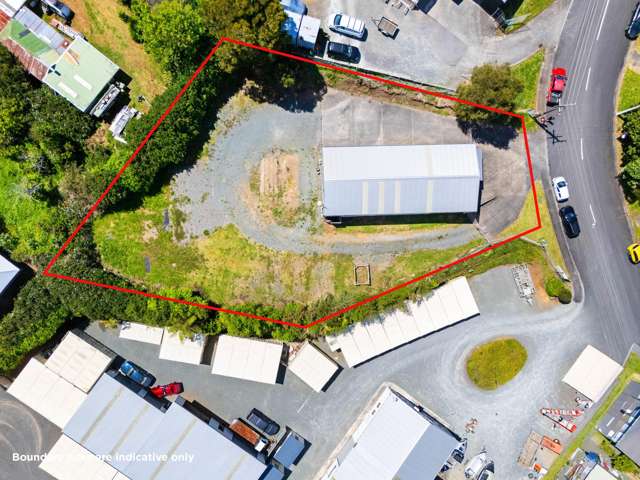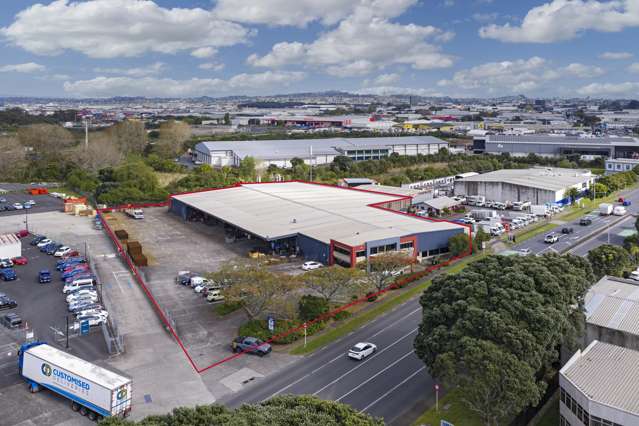
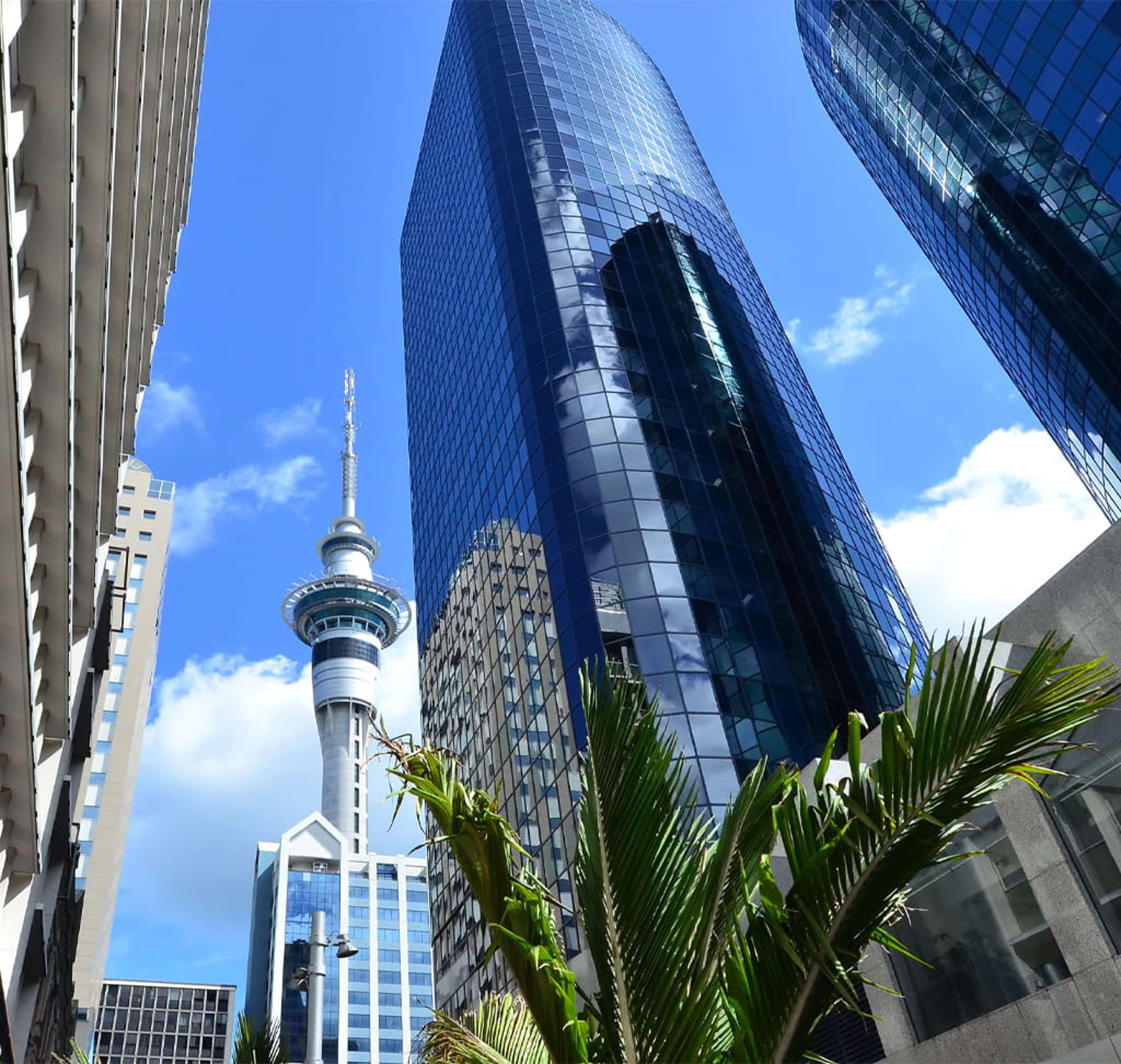
New Zealand’s commercial property market is positioned for a positive finish to the year on the back of improving investor confidence, according to the latest research from Colliers.
Activity in New Zealand’s commercial property market was subdued in the first half of 2026, but tangible returns remain on offer for investors.
While the first six months of the year saw fewer transactions than previous years, higher value deals have shaped the market.
The recent sale of a 50 per cent stake in Precinct’s PwC Tower that was brokered by Colliers as part of a $600 million deal is an example of the offshore capital that is flowing into New Zealand as the global economy navigates a period of readjustment driven by ongoing geopolitical conflict.
Start your property search
Richard Kirke, Managing Director of Agency at Colliers, who worked on the PwC deal, says investors are prepared to entertain the market when there’s more clarity around pricing.
“Vendor and purchaser expectations are closer to aligning than they have been in recent years as the market has gone through a period of fluctuation. However, with interest rates trending up, pricing remains flat,” Kirke says.
“Purchasers are typically more comfortable that they understand market pricing as the market is at a point where it is stabilised, making them more likely to transact.”
The latest monthly research report compiled by the Colliers Research & Economics team considers national investor confidence amid global disruptions caused by the conflict in the Middle East.
Hamish Fitchett, National Director of Research & Economics at Colliers, says investor confidence has improved in recent months.
“Of the 13 commercial property markets we surveyed across the country in June, 11 recorded positive sentiment regarding their expected performance over the next 12 months with only Wellington and Rotorua being negative,” Fitchett says.
“This is up from the six regions that were positive following the immediate onset of the Iran War and reflects the growing resilience of investors.
“Investors maintain a level of caution towards new shocks to the global economy and active investors are continuing with their business decisions.
“Global uncertainty is part of the new economic normal. Investors that have adapted to this state of the world are increasingly active in New Zealand’s commercial property markets.”
Eunice Tsang, Senior Research Analyst at Colliers, says fewer consents have been issued this year, but those that have been issued are for larger buildings.
“There have been 1,573 consents issued for new non-residential commercial properties in the first five months of 2026,” Tsang says.
“2008 was a boom year for non-residential consents, and by May 2008 more than 3,540 new consents had been issued.”
2010 to 2019 represented a period of relatively steady and stable growth. During this time, the average number of new non-residential consents issued by May in a calendar year was 2,391.
So far, the 2020s have been subject to the heightened uncertainty of global events such as Covid-19 and geopolitical turmoil, and development activity has therefore been slower.
“Interestingly, years with general elections do not seem to experience a slower pace of development activity even during the months leading up to the election,” Fitchett says.
“While the number of non-residential consents is fewer than in previous years, our economy and commercial property markets are going through a period of transition.
“Looking at the floor area consented, we can see a different picture, and 2026 appears to be tracking at an average pace of development. So far this year, 1,013,644sq m of new non-residential space has been consented.
“Together, this data points to large developers continuing to find value and undertake projects despite the heightened global uncertainty.”
- Supplied by Colliers