A widely held belief that the downturn hit New Zealand's townhouses harder than the rest of the housing market is mistaken, new research suggests.
While townhouses have dropped in price in many locations, the decline is in keeping with the fall in the overall residential market, says Nick Goodall, head of research for property insights firm Cotality.
Goodall research shows the average value of townhouses in Auckland fell by 23.6% since the height of the post-Covid market at the end of 2021 - almost a percentage point lower than the value decline for traditional houses in the city, and not much higher than the nationwide decline of 18%.
“We’re not saying that townhouses haven’t declined in value in Auckland or around the country. What we’re saying is it’s part of a broader downturn than obviously a flat patch since Covid peak,” Goodall told OneRoof.
Start your property search
All property had declined in value and while some parts of the townhouse market were not doing well, neither were some houses, Goodall said.
The research was prompted because of the perception that there was an oversupply of townhouses. Goodall said Cotality decided to pull together different forms of data to either back that up or to push back against it.
“Every time we looked at the data, it didn't really show there was a major difference between townhouses and houses in Auckland or around the country.”

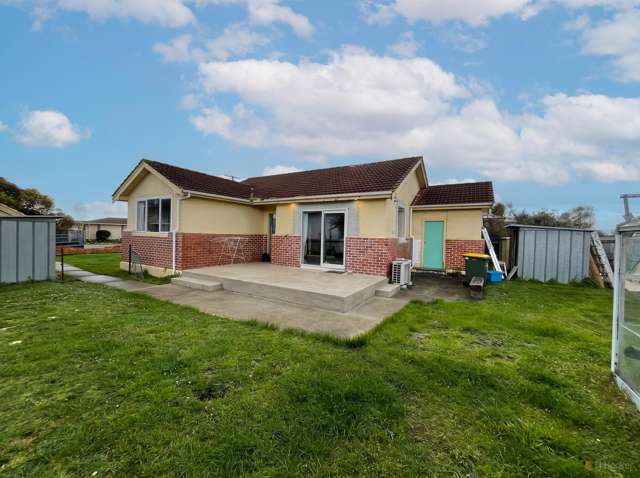
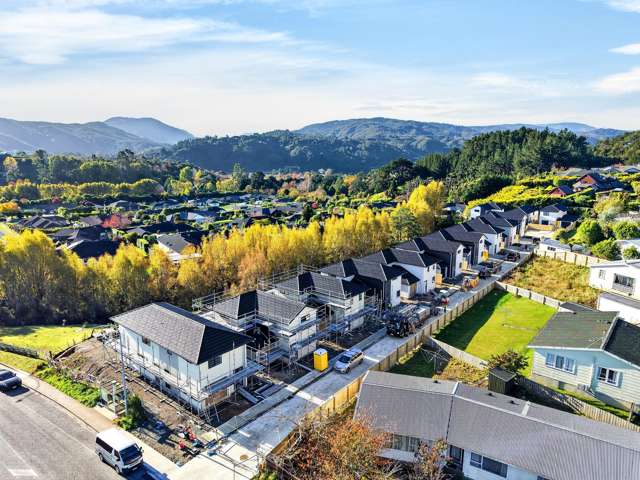
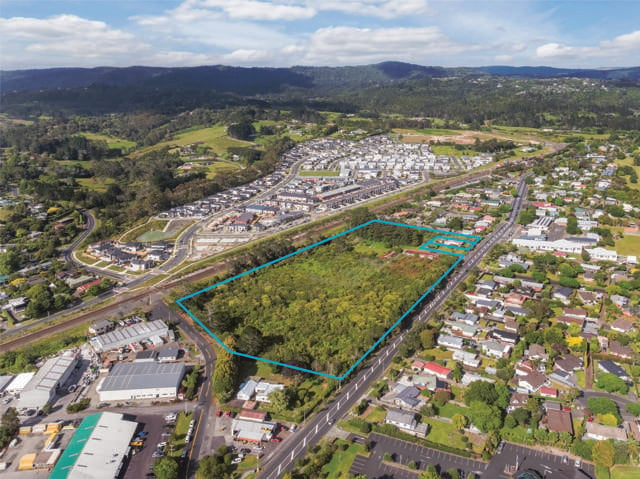
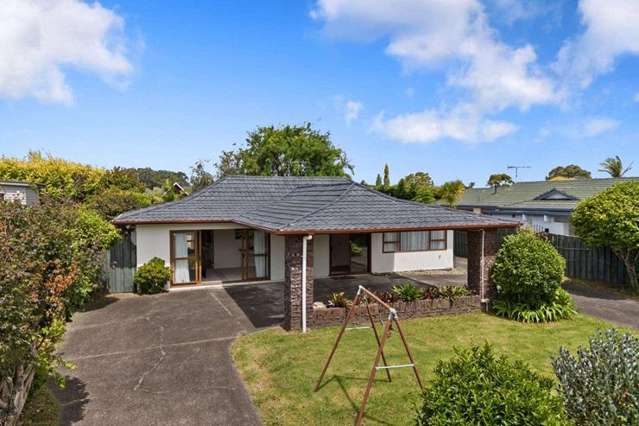
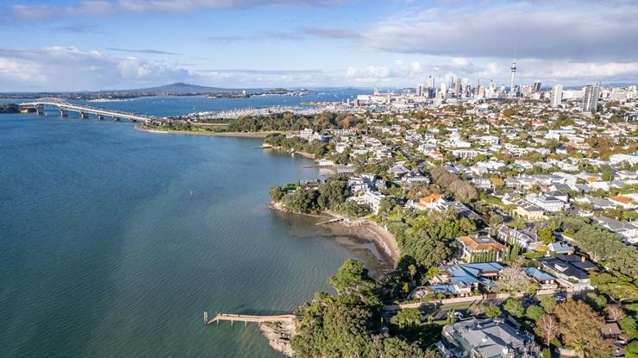
The value of Auckland townhouses has dropped by 23.6% since market peak, but traditional houses in the city didn't fare any better. Photo / Fiona Goodall

Cotality head of research Nick Goodall says developers have become more selective about the types of townhouses they are building. Photo / Supplied
The researchers then drilled into Auckland suburbs data, finding that while townhouse numbers in some suburbs have risen sharply, mainly in the west and south, value changes were still on a par with other property.
“For Henderson, there’s been almost a doubling of the number of townhouses in that suburb, and values have changed over that same five-year period by a little under 20%.
“What's really clear is that there's no correlation between value change in a suburb with heaps of townhouses that have been built compared to those like Mt Eden or Epsom or Onehunga where there's been a few townhouses built.
“It just shows that this is part of a broader market downturn, but for one reason or another it's getting higher profile, maybe because they [townhouses] are very visible; maybe because there are still developers out there that are struggling with some of them.”
Discover more:
- ‘I’m going to lose money’: Jay-Jay Feeney selling her chic city apartment
- Buyers flock to 'Tok town': Homes from $200k and a bad rap that's wearing thin
- Jacinda Ardern scores multi-million-dollar payday for her Auckland bungalow
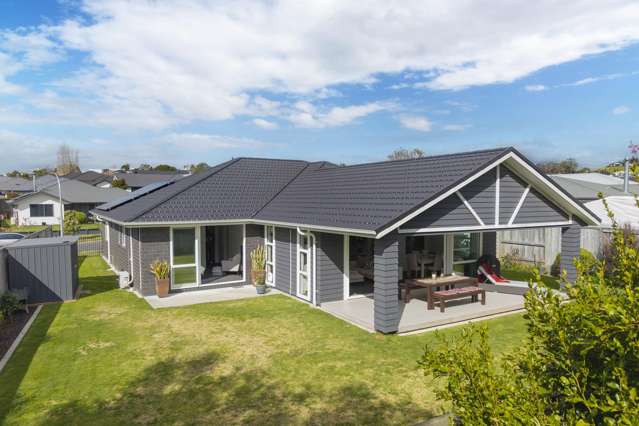
Ray White agent Lachie Farmer, who is selling a four-bedroom house in the Vines Estate in Swanson, in West Auckland, said well-built townhouses ticked all the boxes for first-home buyers and investors.
“Four-bedroom homes are a really rare find within the Vines Estate; only five have been built," he told OneRoof.
“It does come with two car parks, which is a rarity with new builds, and that's a compliment to the developer [Gemscott]. They've been very thoughtful about the market and what the market wants.”
He said The Vines Estate was popular with first-home buyers looking west for value.
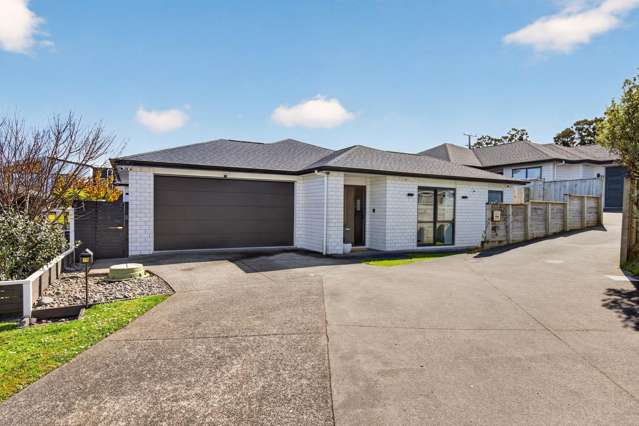
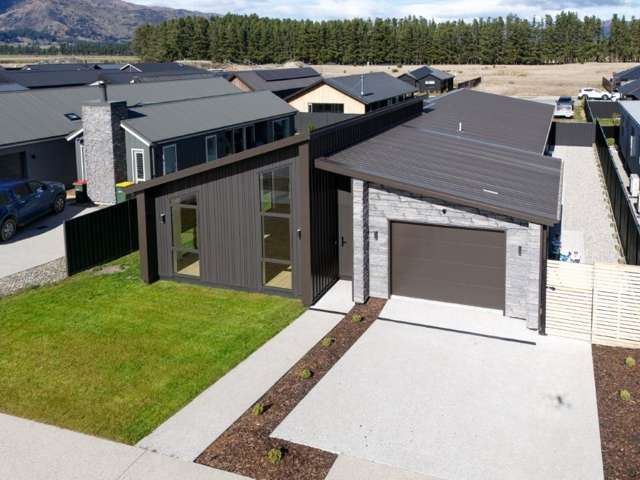
His listing for 9/11A O'Neill's Road highlighted that the house has a 134-135sqm floor area plus a 156sqm land area, making the property approximately 15% larger than typical new builds.
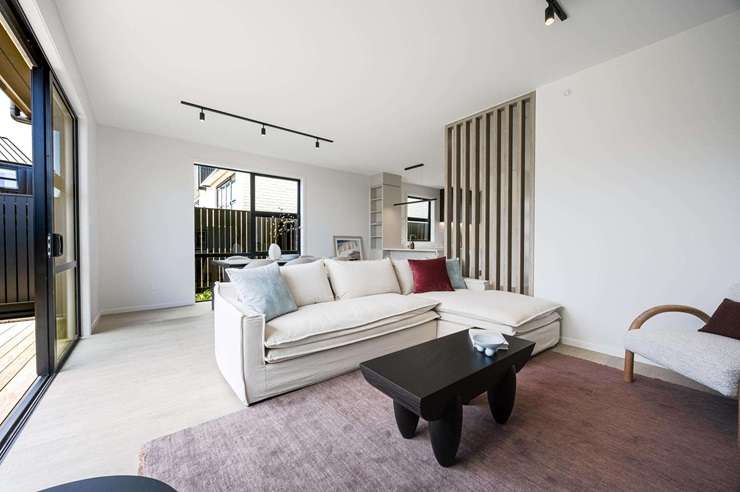
9/11A O'Neill's Road, in Swanson, is bigger than many similarly priced Auckland townhouses. Photo / Supplied
Goodall told OneRoof there was no doubt some townhouses were more desirable than others, with less desirable ones often dating back to the Covid years when buyers felt “any property would do” in their hurry to take advantage of low interest rates and get into the market.
That was true for developers, Goodall said. Some had rushed to buy blocks of land when credit was cheap and tried to make ends meet when interest rates started to rise by skimping on quality or squeezing more homes onto their sections.
Goodall said he had recently taken a tour of townhouses in Auckland with CBRE valuers. One of the property types that had jumped out were three-level townhouses. These properties were narrow - perhaps only three or four doors wide - and compared poorly to some of the newer two-level townhouses that were roughly the same in size but had a better design.
“So, of course, right now if you've got the option of buying these three-level townhouses that are very narrow, or you can by a two-level townhouse that's similar, you're going to lean towards that two-level one. They're just built better, they look nicer, and they’ve probably got better resale value.”
Since the market tightened, developers had become more selective and smart about what to build because they needed to be able to sell at the other end.
On the Auckland tour, Goodall was impressed with the huge range of townhouses and a number of master-planned communities, such as at Flat Bush, which 20 years ago was farmland but now was a massive, fully self-sufficient suburb, with houses “as far as they eye could see”.
Other areas had private developments here and there with townhouses that were distinctive and looked “cool”.
“I was taken aback by the wide range of what's out there and what's been built over the last five or six years, let alone the last 20.”
He did not believe there was a “glut” of townhouses, saying their attractive price points would mean demand would likely keep the market going, especially with first-home buyers.
- Click here to find properties for sale