ANALYSIS: The Reserve Bank has just reviewed the economy, inflation, and its monetary policy stance, and as had been widely expected, it has decided to leave the Official Cash Rate unchanged at 2.25% – the level it took it to in November last year.
The Reserve Bank committee noted uncertainty about the world economy, the risk that consumer spending fails to spark as expected, but also the risk that businesses make good on their indications of rebuilding margins and raise selling prices more than expected.
Taking into account the still-high unemployment rate, the committee again expressed its confidence that inflation will comfortably slip back into the bank’s 1%-3% target range and voted unanimously for the no-change decision.
Start your property search
However, where things get interesting is that the committee did not give in to market expectations and bring forward its predicted timing of the first rate rise from the middle of 2027 to near the end of this year. In fact, one unnamed committee member gave the unusual view that signalling an earlier increase in the Official Cash Rate than mid-2027 could encourage businesses to raise their selling prices more rapidly.
This tells us that despite underestimating inflation by 0.4%, the committee is probably still in the same mindset that has prevailed in recent decades. That is, tighten too late and too much, and then after that ease too late and feel encouraged to ease too much. The committee members seem to be looking for reasons not to tighten this year.
Discover more:
- Tony Alexander: The new average - and why we all need to get used to it
- How political will real estate get in 2026? Rate rises, capital gains tax
- Former Warriors star drops the price of his Auckland home after quitting NZ
For borrowers, the news today is good because wholesale borrowing costs have fallen slightly, and pressure for any extra increases in fixed mortgage rates to follow the ones the banks have delivered in recent weeks has eased.
From here, it is difficult to pick when we may next see a jump up in market borrowing costs, which would propel lending rates higher. We will need a lot more information on the strength of recovery in consumer spending, the extent to which higher farm incomes feed through into higher spending, and whether businesses do make good on their plans to rebuild margins with higher prices.
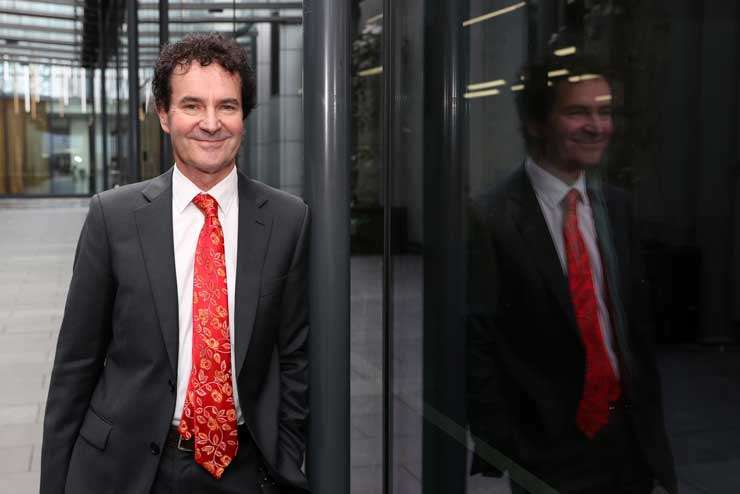
Independent economist Tony Alexander: “The news today is good because wholesale borrowing costs have fallen slightly.” Photo / Fiona Goodall
But we might not get any surprisingly strong data for a few months when we consider some of the statistics recently released. Data from REINZ shows that house prices on average fell nationwide by 0.6% in January after falling 0.7% in December. Data from Statistics NZ show that core retail spending using cards in seasonally adjusted terms fell by 1% in January after falling 0.3% in December.
For borrowers actively managing their interest rate risk, it looks for the moment that, unless we get an inflationary shock from offshore, the pressure to make strong hedging decisions has come off. Most people are likely to continue fixing for either one or two years, although my concern about businesses choosing to boost their selling prices would encourage me to fix for three years if I were borrowing at the moment.
- Tony Alexander is an independent economics commentator. Additional commentary from him can be found at www.tonyalexander.nz