First-home buyers were behind almost $9 out of every $10 extra dollars banks lent in mortgages in the year to June, according to Reserve Bank data.
They borrowed about $20 billion and were responsible for 87% of the increase in net new mortgage debt.
Other home owners were still taking out mortgages, but they added little to their overall debt.
Simplicity chief economist Shamubeel Eaqub said first-home buyers made up 42% of all house sales, up from 25% a decade ago.
Start your property search
He said people have underestimated KiwiSaver’s role in helping people buy their first home and how important it has become to the market.
“If we lose these buyers, I think we would see prices fall further,” he told OneRoof.
About 400,000 first-home withdrawals have been made from KiwiSaver since August 2016, averaging about 40,000 homes per year.
The average withdrawal has more than doubled from $20,000 to almost $45,000 in the last 10 years.
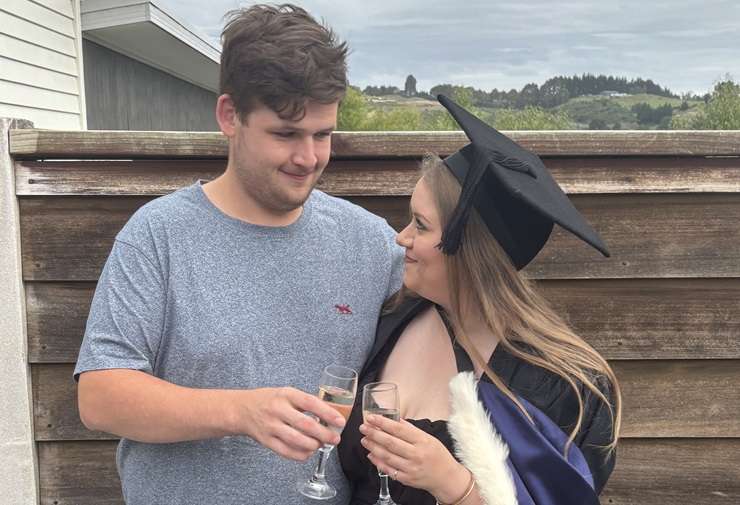
Hayley McMillian and her partner, Jackson Beale. They bought their first home in Dunedin when she was 21 and straight out of university. “We thought, as a young couple, we didn’t have any savings, and therefore we couldn’t buy a house.” Photo / Supplied
“A typical 35-year-old today has considerably more accumulated wealth than someone the same age did a decade ago, largely because of KiwiSaver,” Eaqub says.
There was no “magic formula” – just consistent saving, over time, he said.
“The beauty of KiwiSaver is that it’s boring and it’s automatic. It just happens.”
He estimated member contributions have accounted for 70% of balances, with the remainder returns on investment.
“We all get caught up in market returns, and of course that helps, because that’s the cherry on top, but if you count back to where that $40,000 or $50,000 has come from, the majority of it is your own money that you put away on payday.”
Discover more:
- Fastest market in New Zealand: Where homes are selling in as little as 10 days
- ‘I’m going to lose money’: Jay-Jay Feeney selling her chic city apartment
- Ultra-cheap home loans are gone - how much mortgage pain lies ahead?
Hayley McMillian bought her first home with her partner straight out of university in Dunedin at 21. It was something she believed was still five or 10 years away.
“We thought, as a young couple, we didn’t have any savings, and therefore we couldn’t buy a house. But our KiwiSaver was sitting there, saving on its own.”
Five couples in her Dunedin friendship group have now done the same. “I think it inspired a lot of our friends to ask the questions and begin looking,” she said.
Eaqub said KiwiSaver has come of age. “People still talk about KiwiSaver as a retirement savings product, but it’s maturing into something different. It has really become a whole-of-life savings scheme.”
Auckland recorded the most first-home KiwiSaver withdrawals, while Canterbury had the highest rate relative to the number of KiwiSaver members.
“The place is just going off, and I think it’s got two things going on. The economy is good, and houses are relatively affordable.”

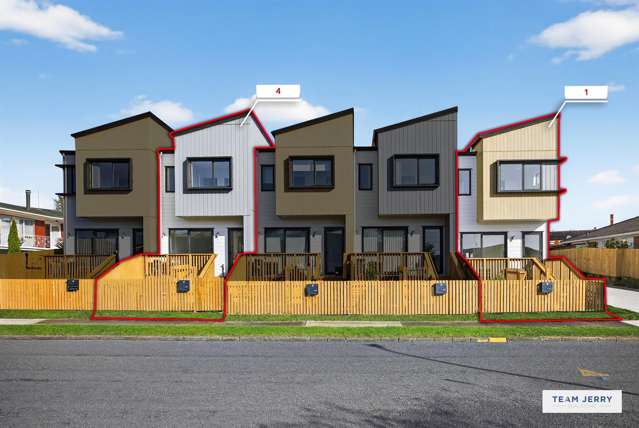
First-home buyers now account for 42% of sales, up from 25% a decade ago. Photo / Fiona Goodall

Economist Shamubeel Eaqub: “People still talk about KiwiSaver as a retirement savings product, but it’s maturing into something different. It has really become a whole-of-life savings scheme.” Photo / Alyse Wright
For some people, owning a home wasn’t even on their radar. They’ve become “accidental home owners”.
“Someone might be chatting to a friend at the weekend, telling them the lease on their place is ending, and someone says why don’t you buy because it’s better to pay your own mortgage than someone else’s, right,” Loan Market mortgage adviser Michelle Isemonger said.
Buying a home wasn’t part of the plan for Aucklander Rafael Riberio either.
“I started with a crazy idea about buying a big caravan to live in, but we decided it would be too small. Then I started thinking about buying a tiny home, and we were almost there until I started to work out the numbers and realised maybe we could do it,” he said.
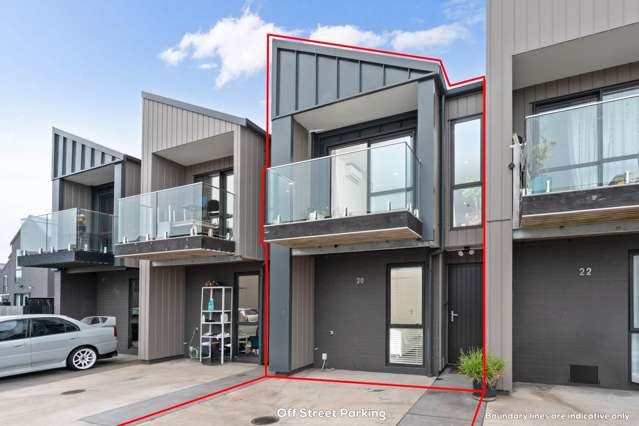
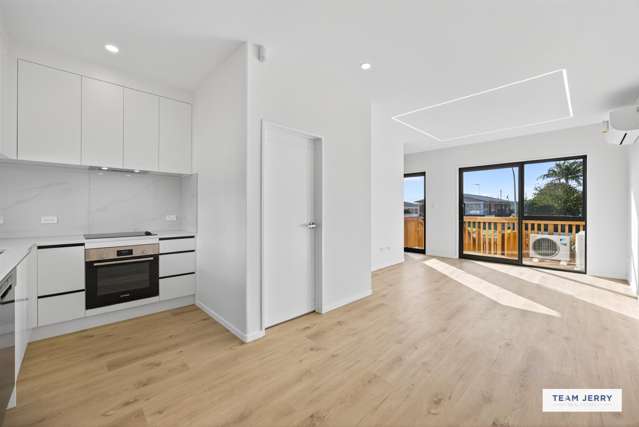
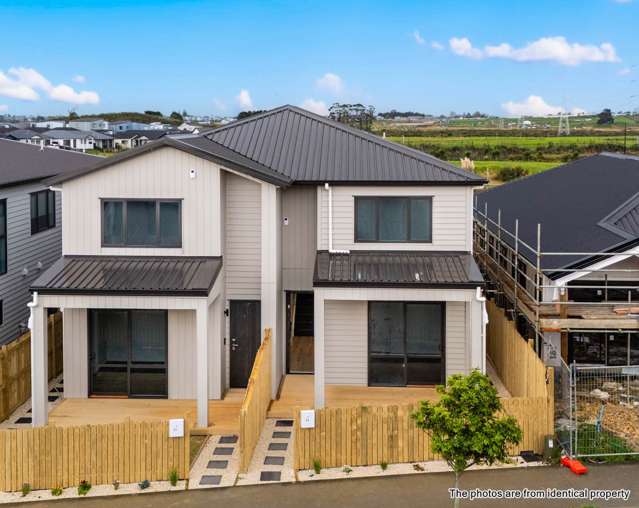
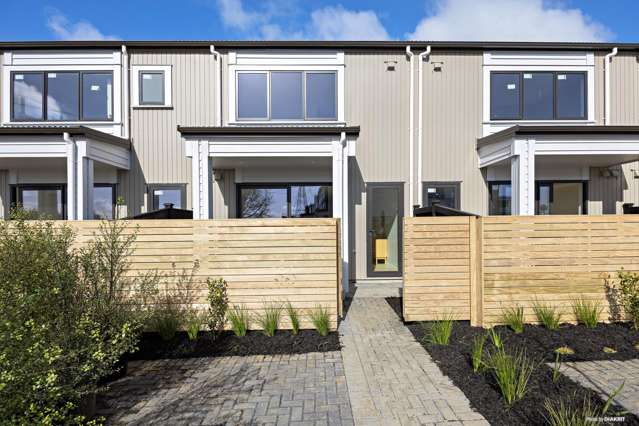
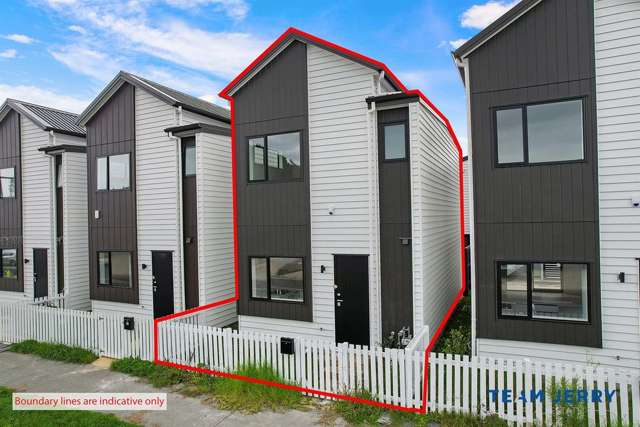
Riberio and his partner Karoline bought their first home, a three-bedroom duplex, in the South Auckland suburb of Rosehill in June using personal savings and KiwiSaver for their deposit.
Eaqub said conditions are finally lining up for first-home buyers. “They’ve been waiting for a long time for house prices to become affordable. They have enough of a deposit, prices have come down, and banks are still willing to lend.”
McMillian is now training to be a mortgage adviser and making it her mission to get more young people on to the property ladder.
She believes first-home buyers could make up an even bigger share of the market if more people understood what was possible. “I couldn’t scream it louder. You’ll be surprised at what happens when you can put two incomes together and two KiwiSavers together,” she said.
Eaqub said first-home buyers were no longer a small group at the edge of the market. “Many young Kiwis now have financial savings that help them buy a home, if they want to. It’s a choice many did not have a decade ago.
“Immediately it is a first-home deposit. In the future, I think this is a proof case of how it will also help for retirement.”
McMillan said KiwiSaver changed her and her partner’s lives. “You may think you’re five or 10 years away, but actually you could be like me, and you could only be a weekend away.
“Yeah, KiwiSaver definitely changed our lives.”
- Click here to find properties for sale