You could say Julian Gilbert practises what he preaches – and what he’s practising is sparking interest as more Kiwis realise just how much power they can wield over their power bills.
Want to save $10,000-$20,000 over a 15-year period? Who wouldn’t? Gilbert is not yet in that league – more on the money later – but he is in the ideal industry sector to witness just how much can be saved by making a house more energy-efficient.
In other words, making smart energy improvements at home can take advantage of New Zealand’s mostly renewable electricity and a new era of money-saving appliances to make a big difference. Gilbert is Technical Services Manager for Master Electricians, the industry body whose membership covers about 1300 businesses across New Zealand – and is in daily touch with working ‘sparkies’. He regularly plugs into news on trends in the electrical and energy-efficiency world.
Start your property search
He is also a homeowner, with a house on the Kāpiti Coast near Wellington. His three-year “do up” project is the ideal opportunity to begin the gradual process of making his home not just a place to live, but a source of energy savings as well.
Gareth Gretton, lead advisor Research, Evaluation and Insights at EECA (Energy Efficiency and Conservation Authority) says even when upfront costs are included, switching out old appliances when they need replacing with the most energy-efficient options can save “$10,000-$20,000 over the typical 15-year lifetime of an appliance”.
It's a switch that Gilbert is flicking during his home renovations – and he says others are too. “It’s true a lot of homeowners focus on the here and now,” he says, “and that’s usually down to upfront costs. However, I am hearing from our members that more and more people are working out that the long-term benefits can’t be ignored and are becoming much more future-focused.
“I’m starting with a couple of heat pumps and we’ll bring in a hot water heat pump – and I’m putting in the cabling for solar, though that will be in the future at this stage.”
Okay, let’s unpack that a bit. Heat pumps, we already know, are the most efficient way of heating a home these days, and two-thirds of households have them. Now hot water heat pumps are increasingly being adopted, which makes sense given that hot water is responsible for a huge slice of everyone’s power bill – about 30%, according to EECA.
Rooftop solar power, once a home has been totally fitted out with electrical energy-efficient appliances, can save $1000 or more each year, says Gretton.
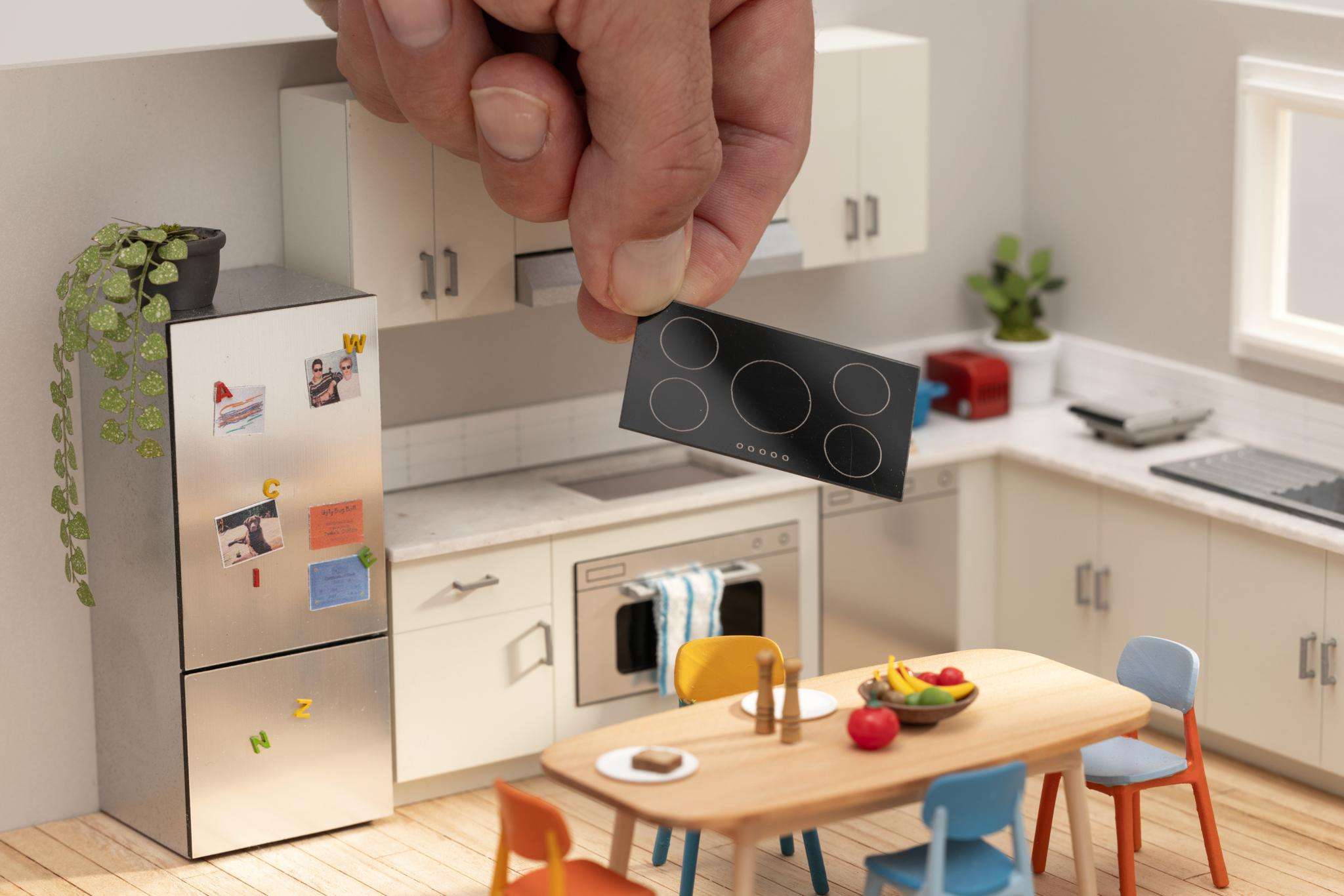
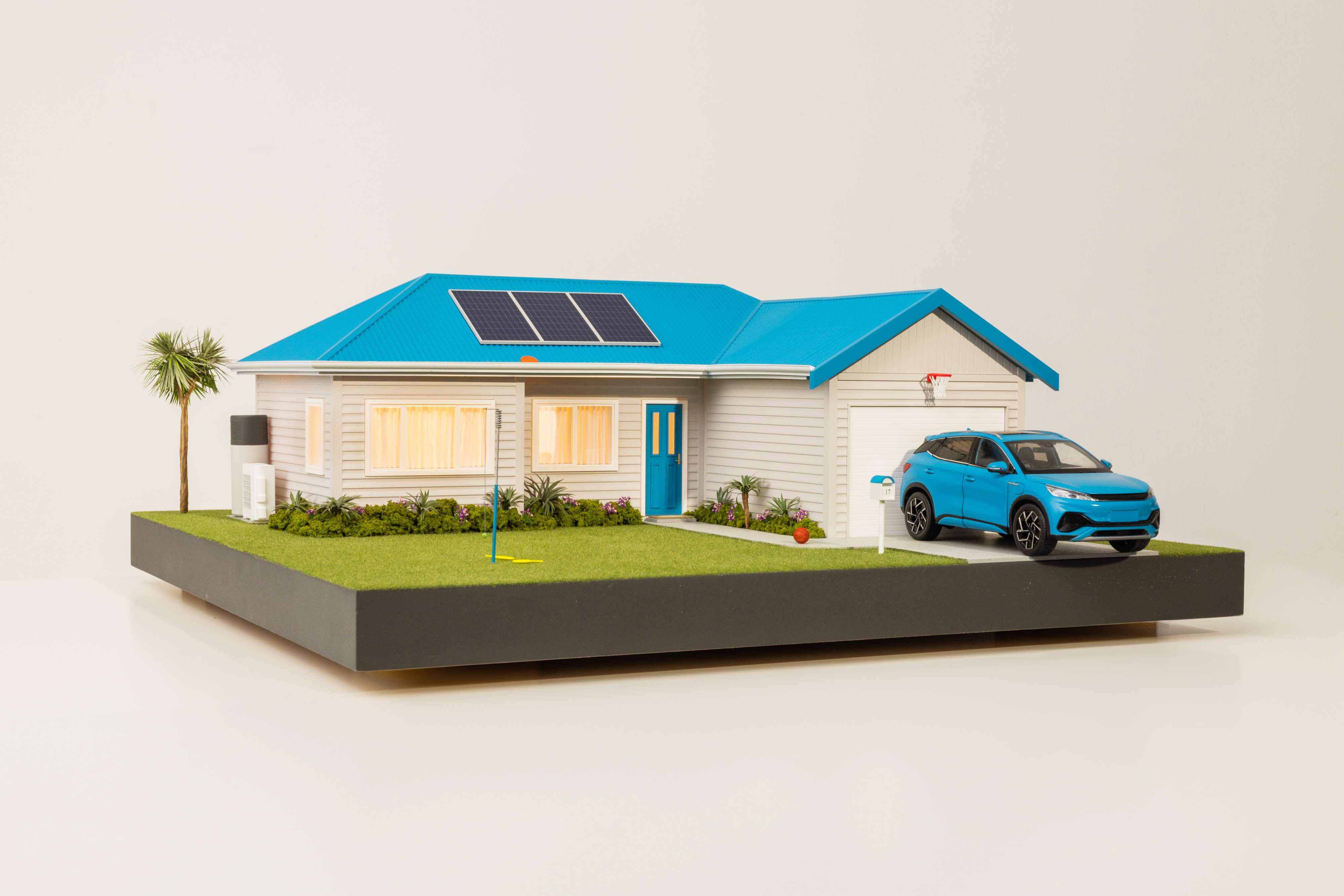
Heat pumps, hot water heat pumps, induction cooktops and solar power – once combined – can be the source of big savings, with solar power systems taking only seven or eight years to break even, in the right circumstances.
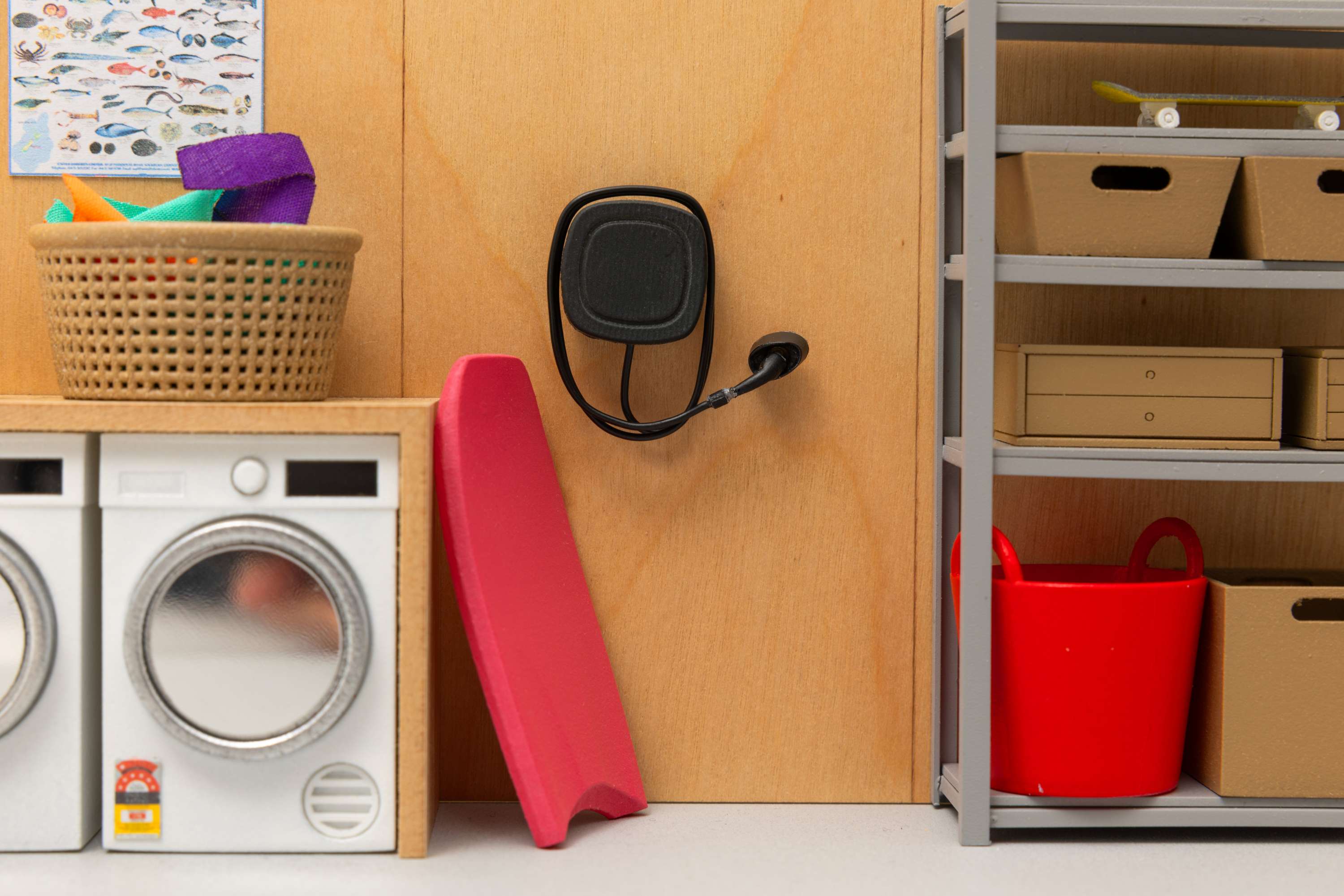
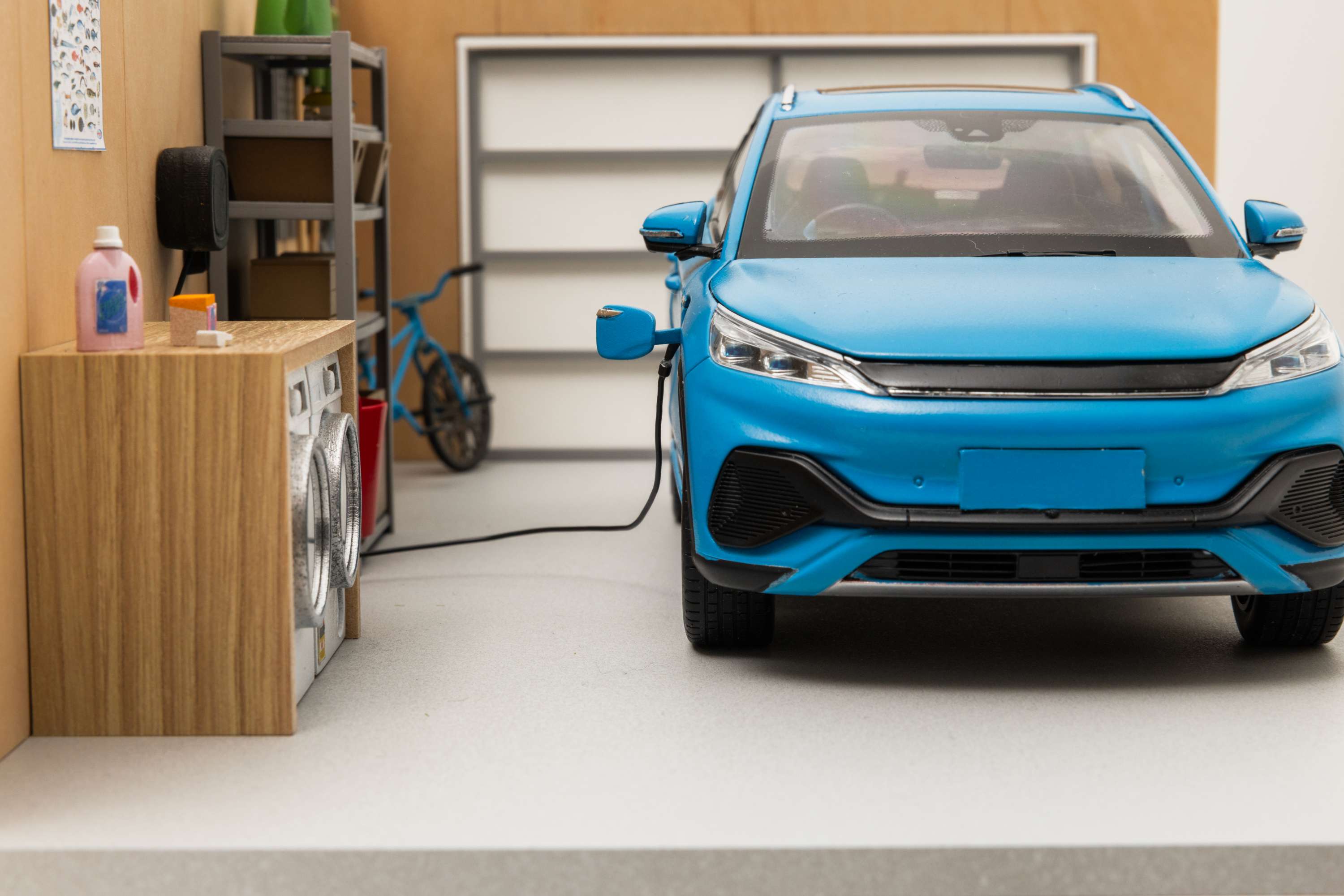
“What we are hearing through the membership is that more people are starting to become future-focused and, when they are doing renovations, are looking to put in the cabling they will need for electric vehicles (EVs) and solar power and the like,” says Gilbert.
“That’s what I am doing. I don’t have an EV at present, because I do a lot of long journeys and my use case hasn’t quite measured up yet. I know it will soon – and it is best to be prepared for that; it [cabling and electrification] will never be cheaper than it is right now.”
Gretton says the great Kiwi pastime of home renovations is an ideal opportunity for either updating appliances to more energy-efficient units, or at least installing the wiring needed to support them.
“Think ahead so you’re ready. Even if you’re not doing renos, you might find yourself needing to replace or upgrade your hot water cylinder or heating, for example. Our research shows that nearly half of hot water systems in New Zealand are over 10 years old – so you may find yourself in the market for a new one sooner than you think.”
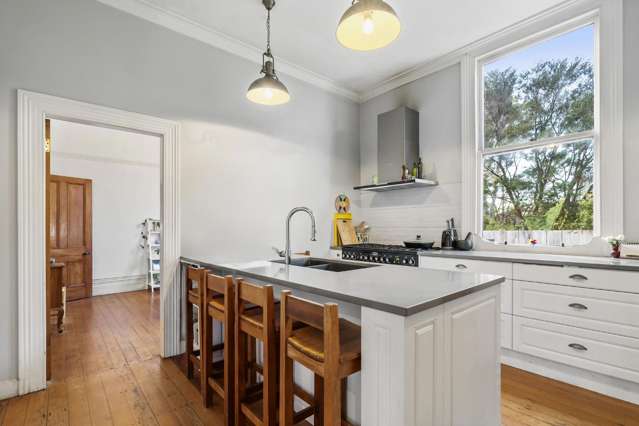
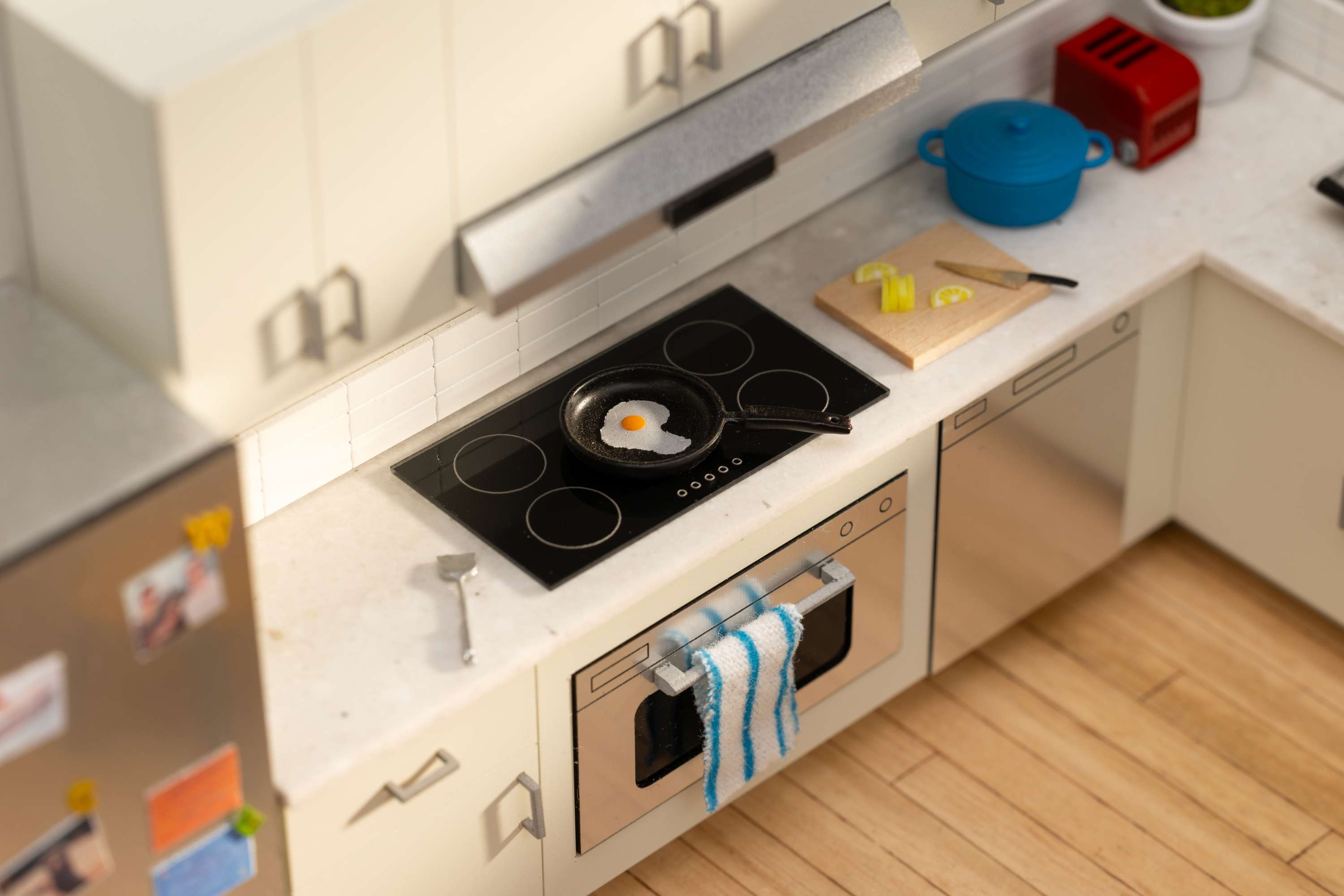
Gilbert says another key appliance is induction cooktops which are not only fast but highly efficient. “If you look at gas cookers… they lose a lot of heat around the sides and bottom of the pan. It sounds like a small thing but it’s significant.”
And the savings don’t just come from efficiency. Gretton says that if switching to an induction cooktop or a hot water heat pump means you no longer need a gas connection – which costs on average $1.60 a day – you could save $580 a year.
However, as Gilbert adds, many Kiwis don’t realise just how much more efficient the new tier of appliances are. “If you compare heat pumps, for example, to traditional resistance heating, you essentially get three to four times more efficiency. That adds up to a lot of dollars.”
To find out how much you could save with energy-efficient appliances, use the free Gen Less calculator at genless.govt.nz.