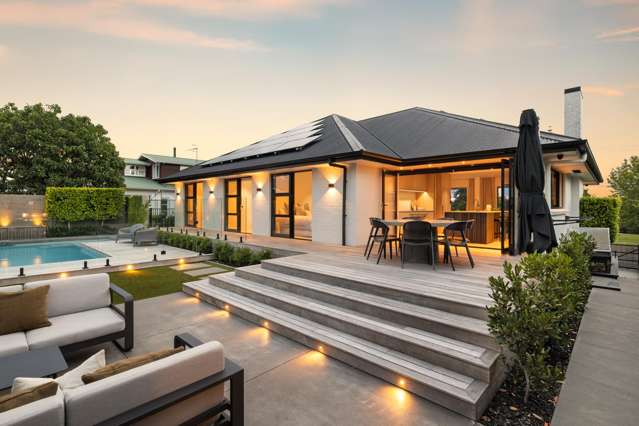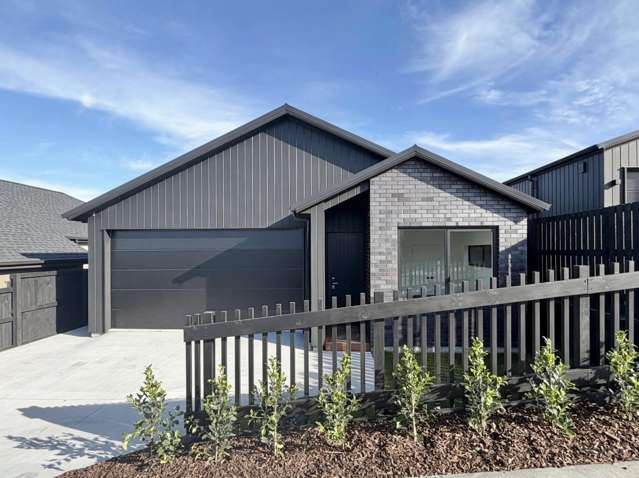
Few people will have researched solar energy for homes as thoroughly as retired Kāpiti Coast resident Don Brash, who believes now is a great time for others to switch to solar.
Brash – not that Don Brash, but a namesake who formerly worked at a Crown Research Institute – began looking closely at solar panels when he approached retirement.
“I guess there were three main elements,” he says. “First, my wife and I knew we would be home a lot more and we were planning to live a lot longer, so we needed to sort out what we did with the house. Second, we did feel a commitment to reducing our fossil fuel use – we also bought a plug-in hybrid car – and, third, we wanted to make some savings on our power bill.”
The good news first: Brash, basing his estimate on previous power bills and usage, says he is saving about $733 a year in power costs, down from $2285 previously. That’s a reduction of around 32%.
Start your property search
And the bad news? Well, there isn’t any. In fact, Brash says he purchased his system in December 2022, when prices were higher than they are now. Today’s lower prices mean others can reach break-even point (typically around eight years) even faster.
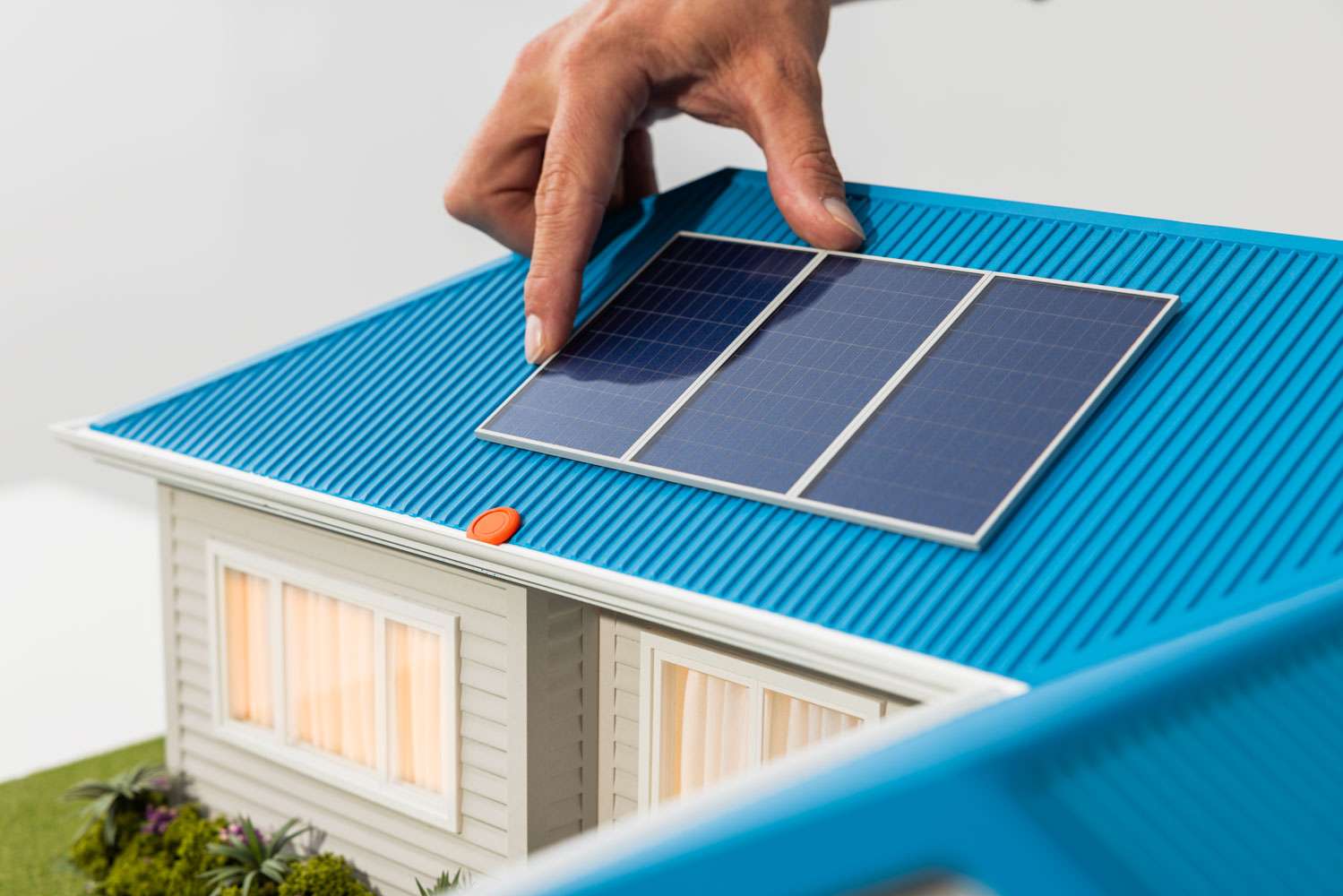
With a lifespan of around 30 years and minimal maintenance needs, solar panels deliver decades of lower energy costs – along with the satisfaction of doing something good for the planet.
Brash manages his solar system in a way he says best suits him and his wife. During the day, the solar panels cover their heating, cooking and general power use, but they have signed up to a plan with cheaper rates for off-peak and night hours. “Our strategy has been to maximise [cheaper] night rates by setting the water heating, the dishwasher and the hybrid car charging to start after 11pm,” he says. “We also have underfloor heating and that is timed for off-peak and night rates too.”
Last year, about 45% of their power usage occurred at night and Brash says he would like to get to 50% night rates next. The Brashes also sell back electricity to the grid – earning about $325 a year in supplying the grid with solar power.
“I think $733 is a good return,” he says, “but as well as getting a return, installing solar is a good thing to do anyway. It reduces the load on the power generation system and I think electricity prices will only rise in future.”
Gareth Gretton, lead adviser (Research, Evaluation and Insights) for the Energy Efficiency and Conservation Authority (EECA) says the authority has estimated that the average New Zealand household could save around $1000 a year by switching key appliances to the most efficient option and installing rooftop solar.
“Don’s right – rooftop solar panel prices have come down in recent years and the investment gives you a good return,” he says. “You may also be able to get a low- or zero-interest green loan to help with financing.”
Solar is the cheapest electricity available, Gretton says, even when installation and upfront costs are included. It can halve the amount of electricity needed from the grid.
“It’s particularly cost-effective if you’re home and using electricity while the sun’s out, or if you have an electric hot water cylinder – either standard or a heat pump – and use solar to heat your water. Hot water is one of the largest energy users in the home and the cylinder can keep the water hot for use even after the sun has stopped shining.”
In March 2025, Electricity Authority data showed 70,000 solar systems installed across New Zealand, about 2% of total electricity generation. Gretton says with falling costs and greater understanding, EECA expects those numbers to increase in the years ahead.
“Solar uptake has increased significantly over the past decade globally,” he says. “New Zealand has been a bit slower so far but there has been a big increase in the last two years across homes, businesses and solar farms. And there is potential for continued uptake as technology costs decrease and electrification of homes and businesses intensifies.
“Solar panels also have zero emissions; electricity sourced from rooftop solar is 100 per cent renewable – and rooftop solar performs well across the country, not just in the sunnier regions. It’s a great tool for contributing to New Zealand’s overall electricity generation capacity as people switch to EVs and electric appliances.”
Installing a battery as well as solar means householders can store energy, maximising cost savings by storing electricity in the home and having power on tap if there is a power cut. Batteries are decreasing in price, but payback times depend on how they are used and what electricity price plan a householder uses.
Brash says he hasn’t yet bought a battery on top of the $9600 he paid for solar panels and installation two years ago. “They [batteries] have been expensive in the past but all the experts I speak to say that they provide enough savings to justify the cost. My daughter has just installed one in her house, so we’ll see how that goes.”
To calculate how much your household could save by switching to solar, visit genless.govt.nz.