Premium office space is still capturing the attention of tenants in Auckland and Wellington.
The Colliers Research & Economics team recently published their vacancy surveys for the North Island’s two largest cities.
The headline vacancy rate in Auckland edged down slightly to 16.1 per cent in June, while in Wellington it was 13.7 per cent, up from 12.3 per cent six months earlier.
Prime vacancy in Auckland was broadly stable at 8.6 per cent, although this masked a stronger result within the premium segment, where vacancy fell from 3.3 per cent to 2.4 per cent.
Start your property search
The improvement reflected continued absorption of recently completed space, including 30 Daldy Street in Wynyard Quarter. The secondary vacancy rate in Auckland remains elevated at 24.3 per cent.
Prime space is analysed as a mix of premium and A-grade buildings. In Wellington there was no premium space available at the time of the survey.
Hamish Fitchett, National Director of Research & Economics at Colliers, says the wide disparity between prime and secondary vacancy reflects the continued flight to quality.
“Occupiers are continuing to take advantage of available space to move into buildings offering better amenity, environmental performance, and more efficient floorplates,” Fitchett says.
“Prime-grade premises now account for approximately 53 per cent of Auckland CBD inventory, up from about 33 per cent a decade ago, illustrating the scale of the market’s long-term shift toward higher-quality office space.”
Sam Gallaugher, Director of Office Leasing at Colliers, says the opening of the City Rail Link is expected to materially improve accessibility across the CBD and support business confidence.
“The completion of major construction works and the addition of new Midtown stations should particularly benefit well-located secondary buildings, supporting improved occupier interest as accessibility improves.
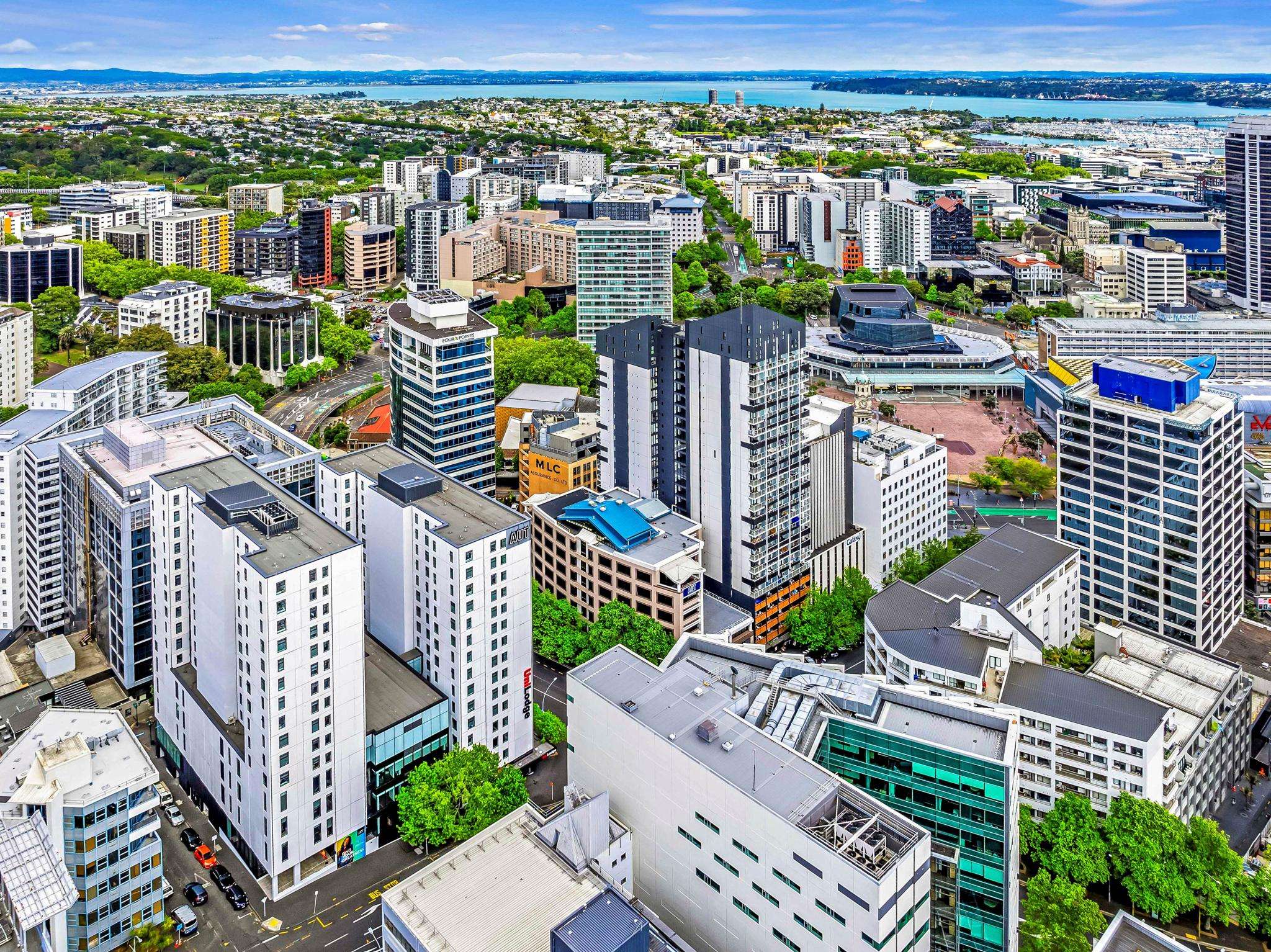
“Tenants are already moving towards the new Te Waihorotiu Station in Midtown. Auckland Council has leased nine floors of office space at 99 Albert Street to relocate Auckland Transport from the Viaduct.
“There is also the opportunity to secure space at the soon-to-be refurbished building at 21 Pitt Street, which is only a few minutes’ walk from the Karanga-a-Hape Station.”
Meanwhile, in Wellington, the CBD office market continued to navigate a challenging operating environment over the first half of 2026.
Government measures, public sector restructuring, and cautious business sentiment have moderated occupier demand and delayed the city’s economic recovery relative to other major centres.
Employment in the Wellington region declined by approximately 400 jobs over the year to June 2026. While modest in scale, the reduction is relevant for an office market with a high exposure to government and professional services employment.
The overall CBD vacancy rate of 13.7 per cent is the highest it’s been since the end of 2012.
However, Steve Maitland, Director of Office Leasing at Colliers Wellington, notes the headline result masks a clear divergence by building quality.
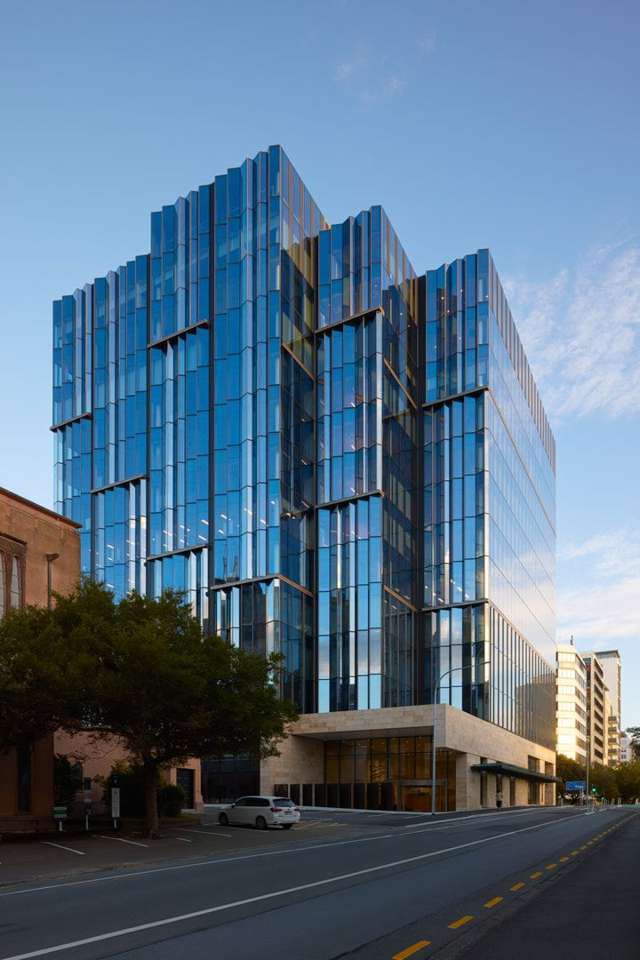
“Prime vacancy fell from 7.5 per cent to 5.7 per cent, partly because the new premium-grade building at 55 Molesworth Street entered the market fully occupied,” Maitland says.
“The absence of premium-grade floorspace illustrates the strength of demand for modern, high-quality office space.
“Looking ahead, prime vacancy is expected to remain low, while secondary vacancy is likely to rise in the near term. As economic activity recovers, growth in new and smaller businesses should progressively improve demand for smaller secondary premises and help stabilise vacancy.”
- Supplied by Colliers