ANALYSIS: When the Minister of Finance delivers her Budget on Thursday the projections for Crown receipts and expenses will be based upon a particular set of forecasts put together by Treasury. While they are certain to note the downside risks to our growth and therefore tax flows from the disturbing tariff developments in the United States, chances are their numbers will be too optimistic – in the short term, at least.
This risk exists because the figures we have received since Treasury’s forecast cutoff date over a month ago have fallen mainly on the weak side. For instance, spending with debit and credit cards fell 0.2% after falling 1.6% in March, which means spending eased 0.8% in the last three months after growing 1.1% in the three months to January. The summer lift in spending has reversed, which means times are still challenging for retailers.
Average house prices nationwide fell by another 0.3% in April after declining 0.6% in March. The net migration flow for March of 2314 people was down from 3541 a year ago and the weakest March result outside of the pandemic period since 2013.
The factors driving these poor numbers have also appeared in my various economic surveys. My latest housing market survey with NZHL found that FOMO has almost disappeared again, and that agents are seeing fewer people at auctions and open homes.
Start your property search
Discover more:
- Bought for several hundred pounds, now worth more than $11m
- 'It's huge': Major banks ease lending rules for first-home buyers
- ANZ's mortgage shake-up - 10-year interest-only loans explained
In the rental sector, a record net 33% of landlords in the survey I run with Crockers Property Management said they were finding it hard to get a good tenant. A year ago, a net 14% said it was easy.
My most recent survey of Kiwi spending plans found that fewer respondents planned to buy things like motor vehicles and sports equipment.
In my survey of businesses with MintHC, the comments on current conditions submitted by respondents are so negative that if I had no numerical outputs to challenge the pessimism, I’d probably conclude our economy was back in recession again. Businesspeople are disappointed that, having survived to 2025, things are not much better than last year.
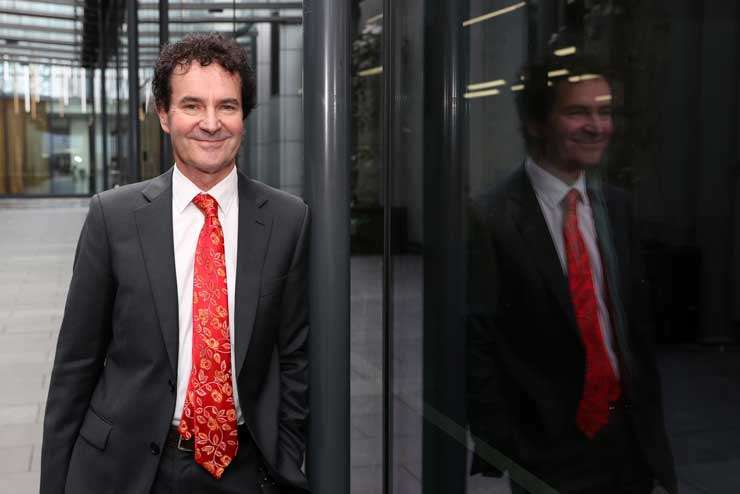
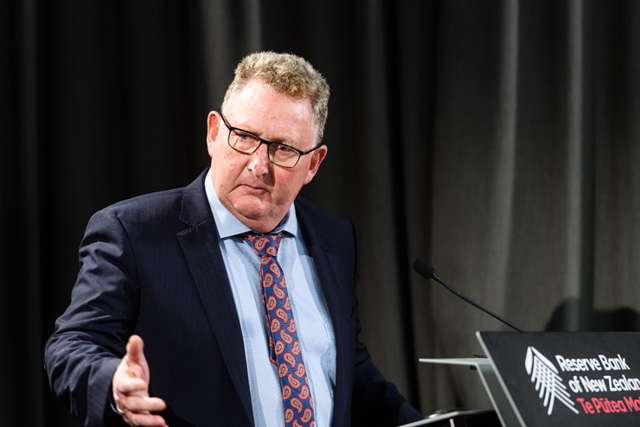
Independent economist Tony Alexander: "Margins are being squeezed, and cash flows are compromised, which means more businesses will close." Photo / Fiona Goodall
Margins are being squeezed, and cash flows are compromised, which means more businesses will close.
This sounds fairly dire, but my intent is to convey an awareness that the economy is not thriving, not that it is going backwards again. Good growth stimulus is coming from the so-far 2% fall in interest rates, and our pastoral farmers and horticulturalists are getting good prices at home and abroad. It’s just that the growth doesn’t look like it will be strong enough this year to easily cover up the inevitable mistakes we all make in our businesses now and again. New customer flows will remain relatively constrained.
In this regard, it is a bit of bad luck that the Government needs to put in place measures to reverse the previous administration’s overspending and set the Crown’s accounts on a more sustainable path. Fiscal policy has to be tightened in readiness for the next shock, to handle growing bills derived from our aging population, and to stop credit rating downgrades as the United States suffered last Friday night.
- Tony Alexander is an independent economics commentator. Additional commentary from him can be found at www.tonyalexander.nz