ANALYSIS: This will be my last column for 2025, so let’s have a quick look at how the year has gone overall and then give some thoughts about what 2026 will bring for the housing market. According to the monthly data from REINZ just released, the median residential sales price achieved over the three months to December was up 0.1% from a year ago after falling 0.9% one year back, 1.9% two years ago, and 10.9% three years back. The data shows prices have stopped falling.
In fact, over the past four months, house prices have risen on average by 0.5% a month. The drift now is upwards.
The number of dwellings sold in the three months to November was ahead just 3.4% from a year ago, following a rise of 16% one year back, 10.6% two years ago, and a fall of 26% three years ago. The recovery in sales from the post-pandemic credit crunch lows was strongest over 2023 and 2024. But in seasonally adjusted terms, sales have improved by 6% recently, so a new rise from the mess 2025 turned out to be is underway.
Start your property search
The housing market is shifting upwards again, and this trend is likely to gain momentum through 2026 and 2027 in response to a variety of factors. The important driver so far has been lower mortgage interest rates, adding to the purchasing that first-home buyers have been undertaking in earnest since the start of 2023.
The extra factor to come through over 2026-27 will be improving job security. This will bring owner occupiers into the market looking to sell then buy or buy then sell. There might also be some support from improving net migration flows.
Discover more:
- Tony Alexander: That five-year rate of 4.99% could disappear any day now
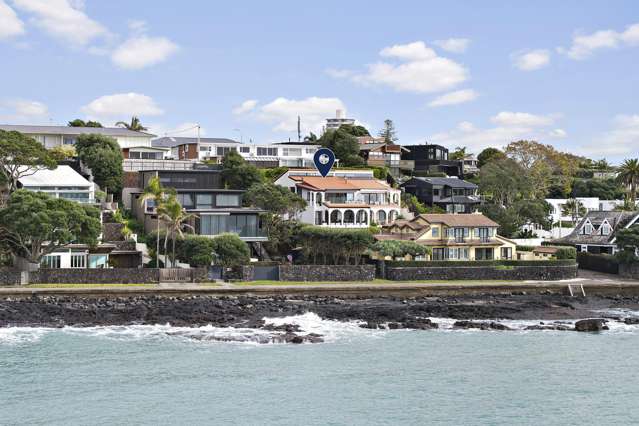
- Clifftop dream home finally sells to US buyer after a near-$6m price drop
- Tiny town where houses cost less than $200,000 and everyone is welcome
However, it is not on the demand side that this cycle holds interest, but the supply side, in two ways. First, we can see evidence of more purchasing being done by investors. But virtually no data series outside ones I can glean from some of my five monthly surveys show what investors are doing with properties they already own. More are selling.
They are responding to the simple advancement of their years and need to finance a retirement more expensive than expected. The costs of owning rental property have also risen sharply, there are reduced expectations for capital gains, reduced availability of tenants, and strong fears of a change in government bringing new taxes and another loss of interest deductibility.

Independent economist Tony Alexander: "We can look forward to a new era where house prices no longer rise on average 6.8% per annum as they did from 1993 to 2020." Photo / Fiona Goodall
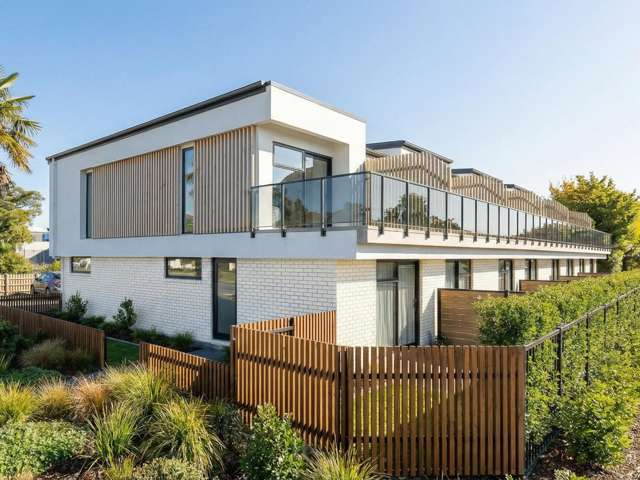
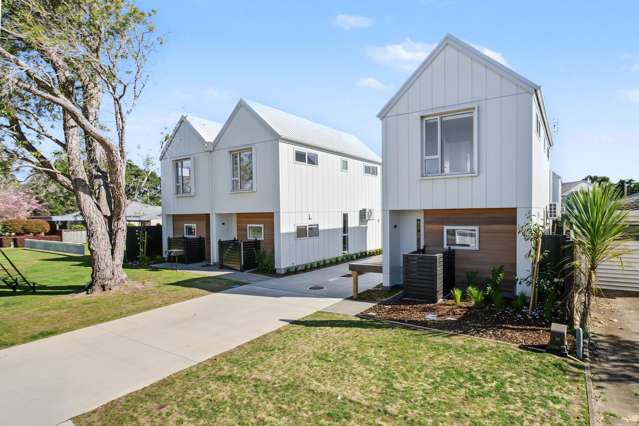
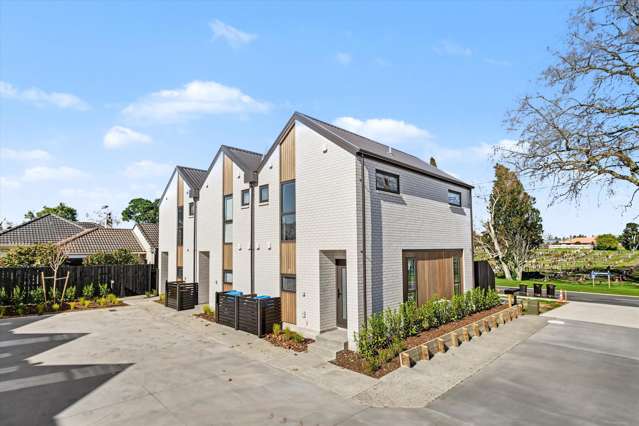
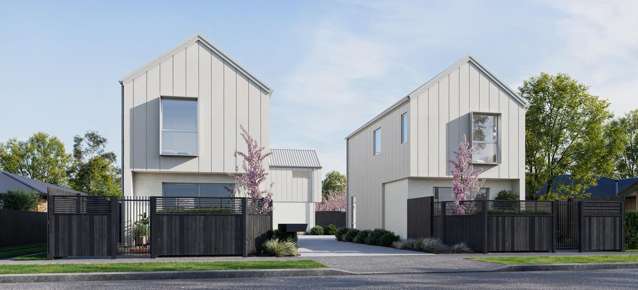
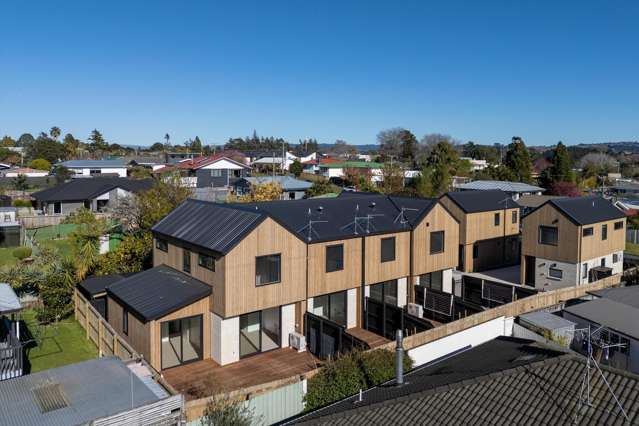
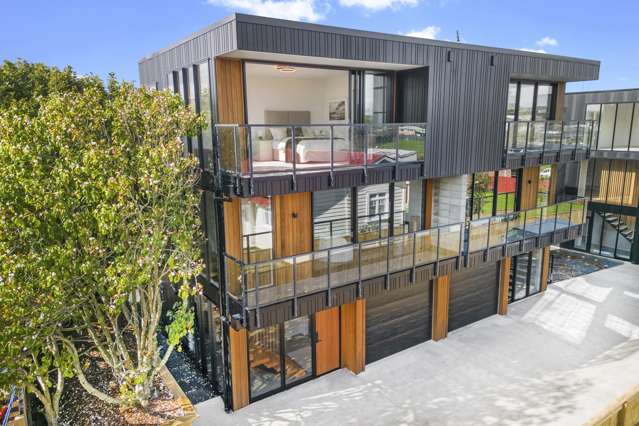
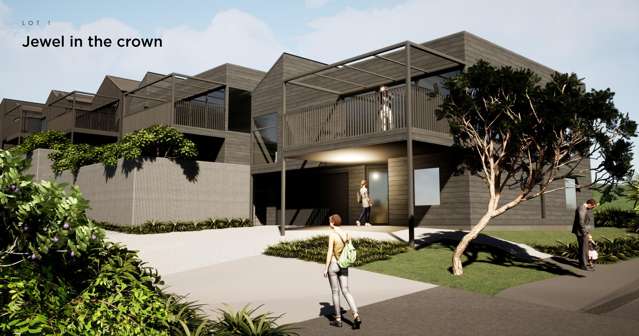
Second, there has been a structural lift in the average number of new dwellings being built in New Zealand – especially townhouses. Despite all the woe of recent years, the number of consents issued for new dwellings to be built only fell to the long-run average ratio to population of 0.65%. Now, numbers are rising, with the annual consent total having recently gone up to 35,600 from a low of 33,500 a year ago.
With continuing efforts being made to speed up construction and land availability, we can look forward to a new era where house prices no longer rise on average 6.8% per annum as they did from 1993 to 2020. The average going forward is likely to be closer to 5% with a decreasing chance that Auckland outperforms as it used to when the city’s rise averaged 7.7%.
Merry Christmas to everyone and have a great summer.
- Tony Alexander is an independent economics commentator. Additional commentary from him can be found at www.tonyalexander.nz