ANALYSIS: Next week the Reserve Bank will undertake its regular review of monetary policy and decide whether or not to raise the Official Cash Rate. Last month it raised the rate for the first time in over three years, from 2.25% to 2.5%. If it does choose to raise the OCR again – and the markets are pricing in a 90% chance that there will be an increase – then borrowers should expect a near-immediate rise in floating mortgage rates.
The chances of changes to fixed mortgage rates are minimal. That’s because the cost to banks of borrowing at a fixed rate for a fixed term to lend to you or me reflects not where the Reserve Bank’s cash rate sits right now but where it is expected to go over the relevant period.
Given the widespread expectation of another rate rise next week to 2.75%, if and when that happens, there will be almost no change in bank fixed borrowing costs. That means no change in bank fixed mortgage rates. But there are caveats.
Start your property search
The first is that no one really knows where the economy and inflation are headed. And no one has a great record of picking what the Reserve Bank will pick as the balance of risks.
That is, sometimes the Reserve Bank looks ahead and reckons inflation might surprise on the low side, and sometimes it’ll reckon that the risks lie upward. We can’t forecast reckons. But this time around, given that the central bank won’t be releasing an updated set of forecasts, it will almost certainly indicate that it feels inflation risks are about where they were a month and a half ago and at least one more cash rate rise will be needed.
Discover more:
- Tony Alexander: Sorry, there was no spending splurge
- Revealed: The top 10 New Zealand towns for first-home buyers
- How a caveat derailed the $24m sale of Sir John Key’s former home
That is the expectation also in the financial markets. The significance of that is that we will only get a meaningful shift in bank fixed borrowing costs and therefore bank fixed mortgage rates if the Reserve Bank decides things have altered enough since the first week of July that it should change its warning to the markets of what may lie ahead.
So, there is always scope for a surprise from the Reserve Bank with regard to its commentary.
The other caveat derives from what bank lending margins are doing. Sometimes those margins get quite small, and we can see the removal of an uncertain factor like a cash rate review make banks decide they should raise their lending rates to restore lending margins. Are we in that situation at the moment?
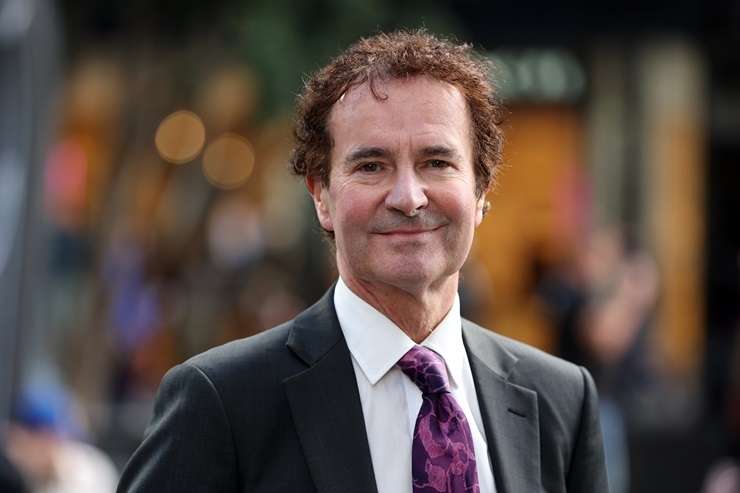
Independent economist Tony Alexander: “For borrowers, there remains a lot of uncertainty.” Photo / Fiona Goodall
Only slightly. The margin on one-year fixed-rate lending is about 0.2% below average for the past two years; for two years it is equal, and 3-5 year terms are 0.2% to 0.4% below average. This tells us that we might see some more upward tweaking of fixed rates by the banks.
However, residential real estate sales are falling, and banks are probably wondering how to rejig their sales targets to account for this and the structural easing of demand from small investors. That means they will probably be more reluctant than usual to raise rates to restore margins.
Then again, who knows? Maybe one will raise rates, wait to see if others follow, and if they don’t, maybe they will cut them back down again.
For borrowers, there remains a lot of uncertainty, and we haven’t even touched on the long list of factors making forecasting a dog’s breakfast these days. The list includes the impact of AI around the world on employment levels and productivity versus higher electricity prices and higher bond yields, developments in the Middle East and oil prices, developments in the many trade wars initiated by the United States, whether Kiwi businesses feel the time is right yet to rebuild crunched margins, the impact of El Nino, impact of the November 7 general election, the lagged impact on the tourism sector of higher travel costs, and whether high dwelling consent numbers translate into much higher house building levels. Good luck to all of us.
- Tony Alexander is an independent economics commentator. Additional commentary from him can be found at www.tonyalexander.nz