- Wellington leaders reject Australian property commentator Tom Panos’s criticism of its economy and empty shops.
- Wellington’s average property value fell 2.4%, while city values have dropped 32% from their peak.
- Officials acknowledge challenges but cite economic strengths, active buyers, reopened venues and plans for revitalisation.
Wellington leaders have hit back at an Australian real estate star after he posted a social media video criticising the capital.
Start your property search
They told OneRoof that Wellington remains an outstanding place to live, work and own property.
Tom Panos, a high-profile real estate coach and The Block Australia’s auctioneer, posted a video of himself in Wellington this week highlighting its challenges. The city’s slumped housing market and empty shops “should be a warning” to Australia, he said.
“High interest rates, changing property policies and an economy heavily exposed to Government employment have all played their part. Walk these streets and you realise something: bad economic decisions eventually become visible. Australia, pay attention,” his video post said.
Panos told OneRoof yesterday that he "adored Wellington", but that it "should be doing much better".
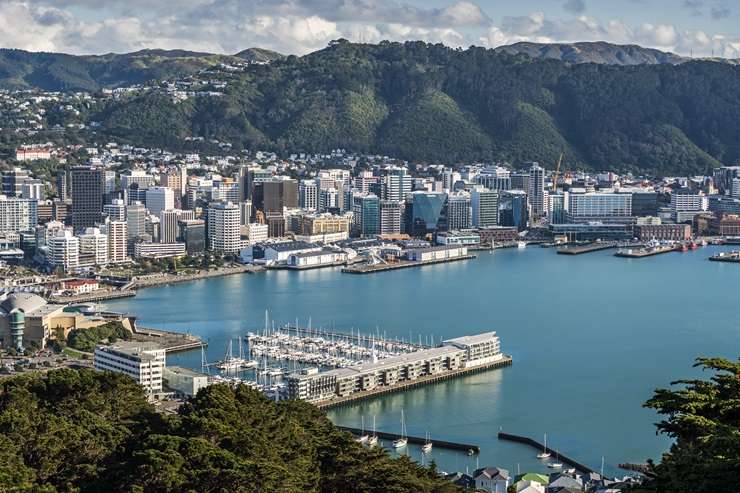
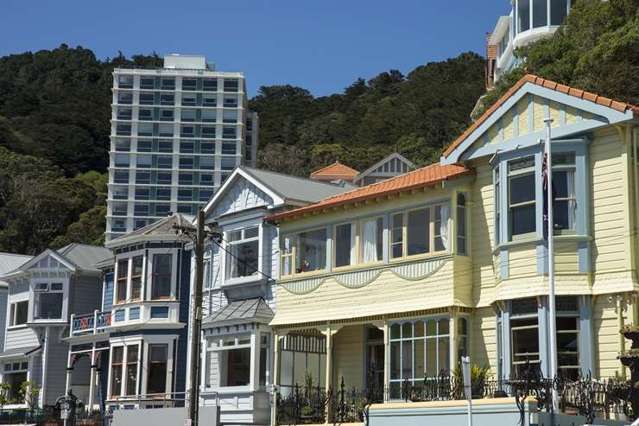
Wellington real estate agents say lower prices mean more opportunities for first-home buyers. Photo / Getty Images
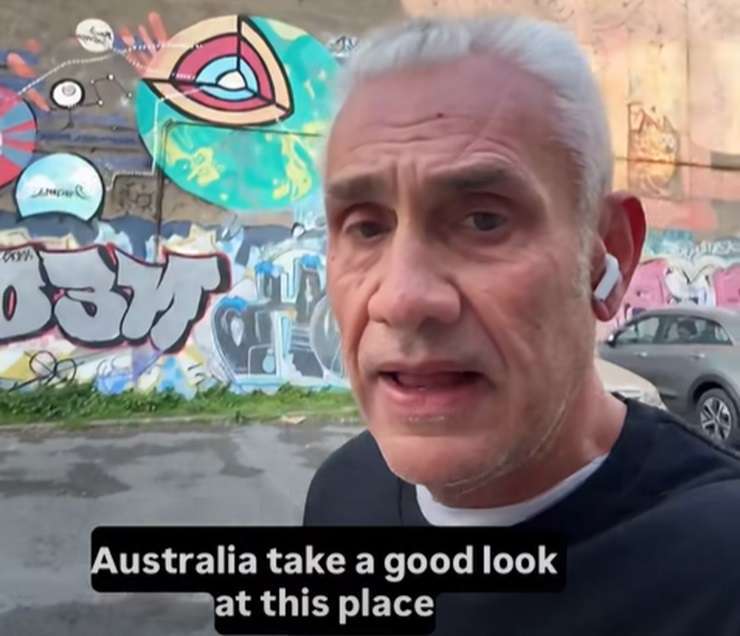
Tom Panos posted a video from Wellington CBD this week pointing out the city's struggles. Photo / Facebook
However, Tommy’s chief executive Ben Castle said Panos had just joined the long line of people who have been “smashing” Wellington.
Castle said having so much negative commentary about the city was “frustrating”.
“We are sick of being beaten up by people who don’t live in Wellington and don’t actually want to ask the question of how Wellington is.”
He rattled off a list of all the good things that were happening in the capital: growing university enrolments, the council’s plans to back a community hub and surf park in Lyall Bay, the reopening of Wellington’s central library, Te Matapihi ki te Ao Nui and Wellington Town Hall, Te Whare Whakarauika, following years of earthquake strengthening and Sir Peter Jackson’s various developments.
Discover more:
- Iwi buy ‘greatest place on earth’ - $10m-plus stretch of NZ coast had excited wealthy expats
- Coach at centre of slap video quits social media, lists properties for sale
- $130K not enough to rid of 'dangerous' dump with million-dollar views
There had also been several sell-out sporting events such as the Warriors and All Blacks this year and huge attendances at various music festivals.
Castle said buyers were still active, with some homes attracting multiple offers and vendors achieving prices above expectations. He said falling house prices had also made it easier for first-home buyers to enter the market, following what he described as an “overinflated” period.
Wellington property values are under pressure. The latest OneRoof house price figures show the region’s average property value fell by 2.4% in the last three months, to $823,000.
Homeowners who bought at Wellington’s market peak have also seen the value of their biggest asset shrink by more than $300,000.

Wellington mayor Andrew Little, pictured outside the Beehive, says work is underway to address the city's challenges. Photo / Mark Mitchell
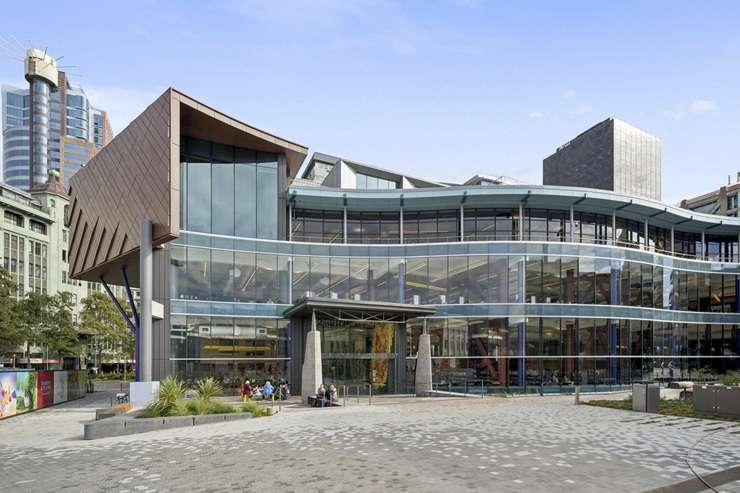
Te Matapihi Ki Te Ao Nui Wellington Central Library reopened earlier this year after a seven-year closure. Photo / Master Builders
Property values in the capital itself have shrunk by 32% ($428,000) over the same period, leaving many in negative equity and trapped.
Harcourts Team Group chief executive Marty Ritchie said it wasn’t a secret that Wellington’s house prices had dropped, and he conceded that some shops and offices were empty as a flow-on effect from people never returning to the office after Covid.
While he could understand the message Panos was trying to send to the Australian Government over its recent tax policy changes, he said the video only told one side of the story.
Ritchie said he was confident Wellington would bounce back and, in the meantime, urged first-home buyers to take advantage of lower prices and the wide range of properties available.
The same went for upgraders, he said, because while their own house might have dropped $200,000 or $300,000 in price since the peak, the next step up might have dropped $500,000. “So, you are actually gaining quite nicely if you are upgrading often at the moment as well.”
Wellington Mayor Andrew Little said Panos' views reflected some of the challenges that Wellington faced, which were well-known to most Wellingtonians.

All Blacks Jordie Barrett and Will Jordan celebrate a try at Hnry Stadium, in Wellington in July in front of a sell-out crowd. Photo / Photosport
Little said work was underway to help turn Wellington around by developing a strategy centred on economic growth, more housing, developing innovative businesses, attracting talent to live and work here, and revitalising the inner-city.
“Wellington is much more than just a public sector town, and our strengths in fintech, creative industries, the arts and education are providing the foundation for a stronger and more prosperous Wellington.
“Despite the economic headwinds, Wellington continues to be an amazing place to live and do business. You can meet people in the highest levels of government, kayak the harbour or take in the morning birdsong atop our magnificent hills, all within 10 minutes of the heart of the city."
Panos, in his post, told Australian politicians to visit Wellington to learn from its mistakes. Little said visiting Australians would get to see some great things in the city including its stunning natural environment. “I’d say to our trans-Tasman neighbours, ‘Where the bloody hell are ya’?”
Cotality chief economist Kelvin Davidson agreed some of the “negativity” around Wellington had been overdone in terms of commentary about the public sector, the economy and the housing market.
“It’s been soft, but the city’s not dead.”
Davidson said recent figures put Wellington’s unemployment rate at 4.99%, which was lower than the national average of 5.6% and below Auckland’s 6.6%.
“So, I think the doom and gloom around Wellington's probably a bit overdone. I mean, yes, there's been some job losses, but probably not as big as what people might think.”
- Click here to find properties for sale in Wellington