Five consecutive months of increased electronic card spending on core retail items suggest the possibility of a recovery in the retail sector is steadily growing.
There’s no escaping the realities of the economic pain that has been felt in different parts of New Zealand during the past two years and retailers have been hit particularly hard.
But the data from Stats NZ that tracks electronic card spending suggests better times may be on the horizon. This is coupled with information from the New Zealand Institute of Economic Research that notes about 77% of mortgages are due for repricing in the next 12 months.
Lower mortgage rates are already reducing the amount of interest households are paying. Data from the Reserve Bank shows in the first half of the year, the average share of incomes spent on mortgage interest has come down by about 0.6 percentage points.
Start your property search
Hamish Fitchett, national director of research and economics at Colliers, says when consumers have more money in their pocket we typically see positive flow-on effects to the retail industry.
“With home loan rates now in the upper 4% range, people who refix their mortgage may notice a boost in their disposable income if they have been paying somewhere closer to 6 or 7%,” Fitchett says.
“There’s undeniably been challenges for the New Zealand retail sector recently but the economic drivers indicate the possibility of improved trading conditions during the next year.”
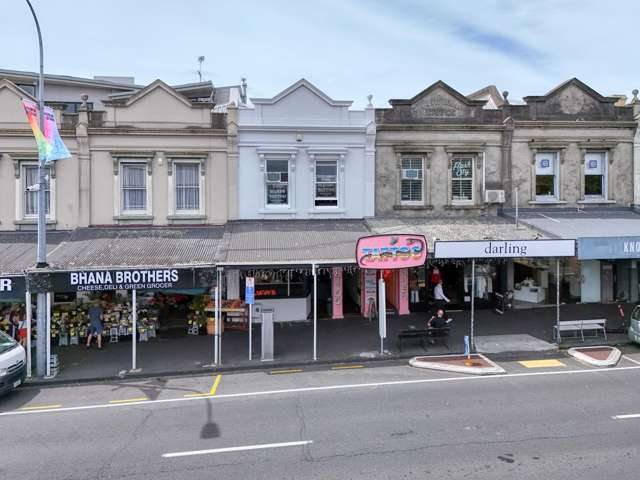
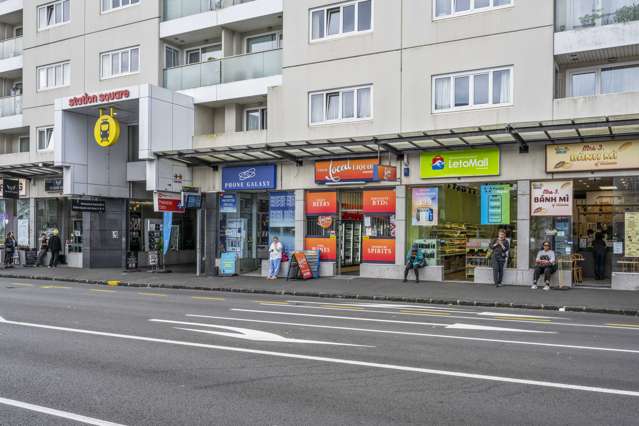
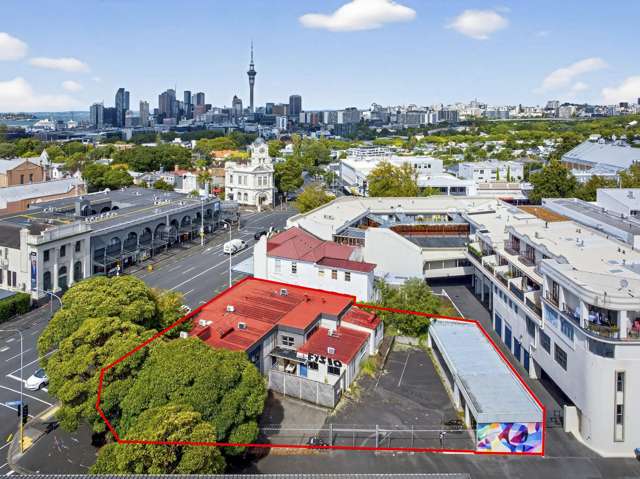
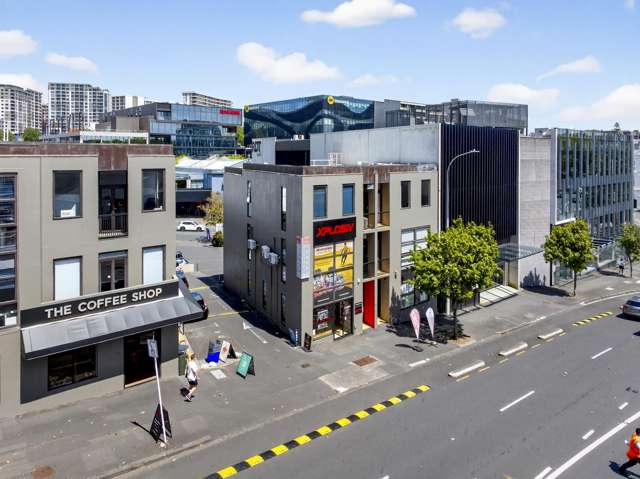
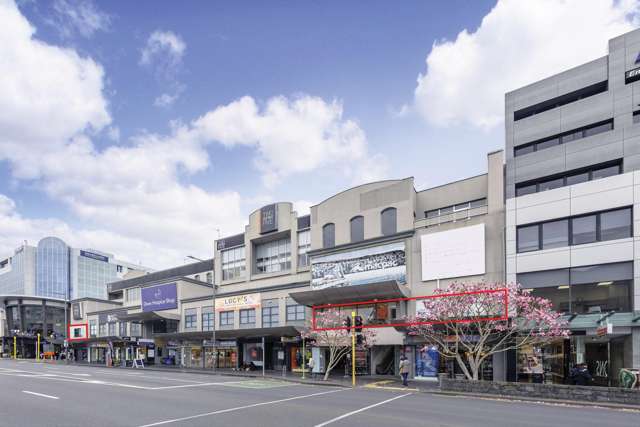
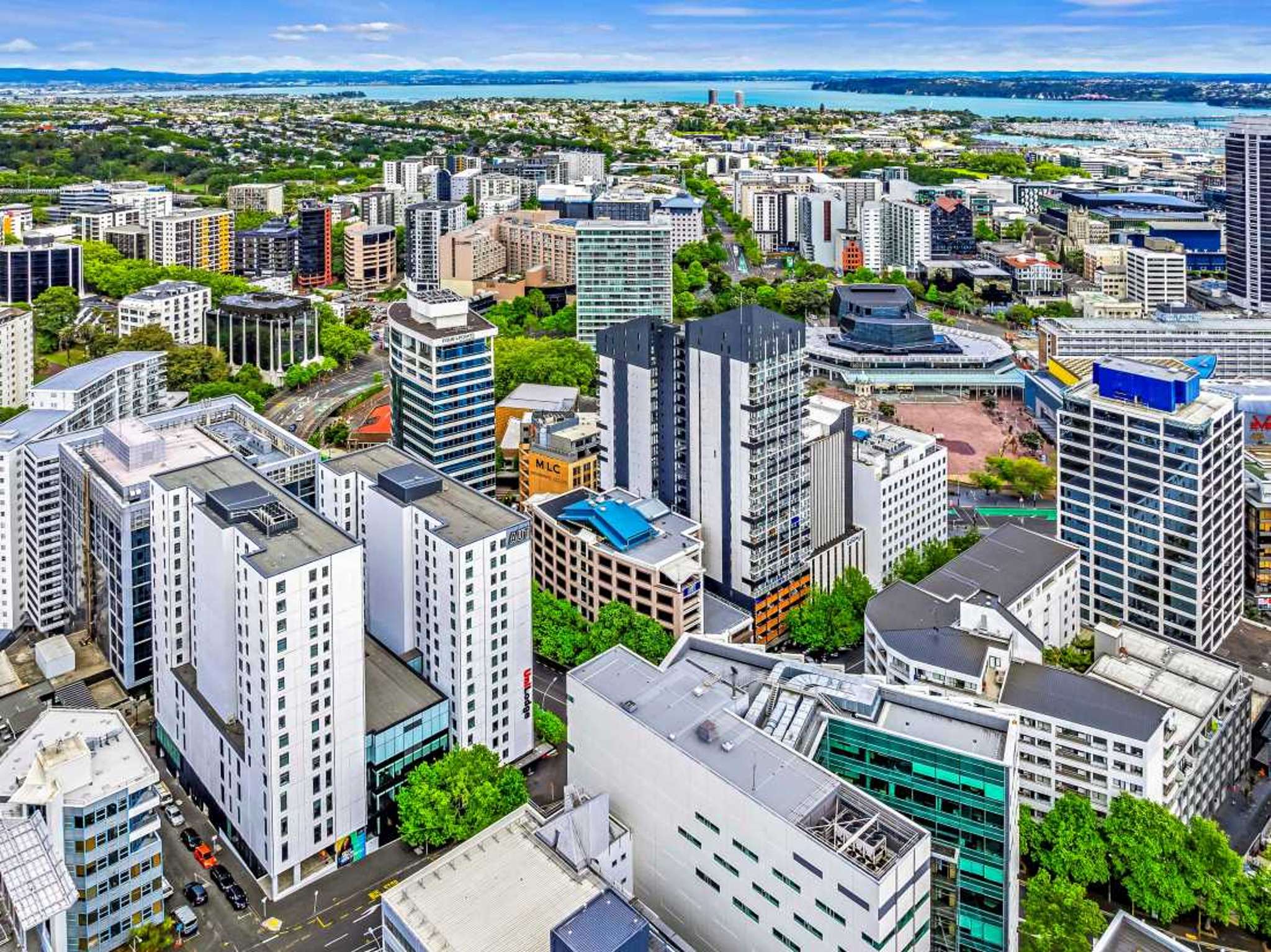
Meanwhile, the latest retail vacancy surveys from Colliers highlight the existing challenges the sector is facing with Auckland CBD’s strip retail vacancy rate increasing to 11% compared with 10% a year ago.
Closures of DFS and Smith & Caughey’s have been well publicised but there is still strong demand for floorspace in the luxury and international brands precinct in Auckland at the base of Queen Street. Vacancy rates in this market segment are 5.7%, around half of the wider Auckland CBD market.
The research highlighted Auckland’s retail development activity is subdued when examining it via total floorspace, but the value of new consents has hit a record high, led by major projects such as the Maki Centre at Westgate and Ikea’s impending opening near Sylvia Park in Auckland.
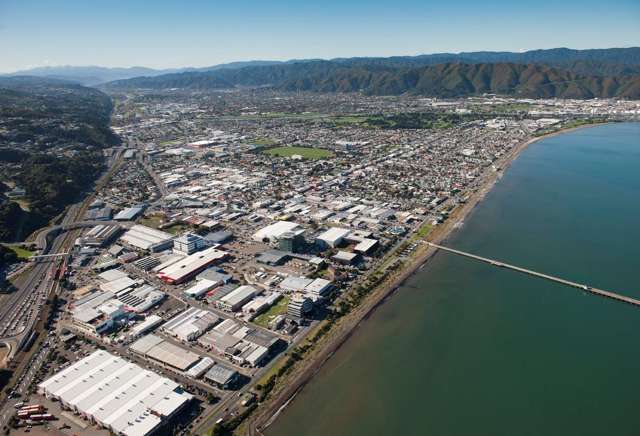
Meanwhile, in Wellington, the overall vacancy rate in CBD retail remained at 9.3%, which is unmoved from December 2024.
Richard Findlay, managing director at Colliers Wellington, says while the city is navigating a tricky retail environment there are renewed signs of activity emerging.
“Mitre 10 has confirmed plans to replace The Warehouse on Tory Street, introducing a new large format offering to the CBD by early 2026 and the redevelopment of the Reading Cinema complex will give Courtenay Place a new look and feel,” Findlay says.
“The revitalisation of Te Ngākau Civic Square will also likely introduce new retail opportunities, further strengthening the city’s cultural and commercial core.”
Looking across the country, there are high-profile retail developments in Kinloch, Queenstown, and the Kāpiti Coast that Colliers is working on through either consultancy or masterplanning.
Richard James, national director of retail at Colliers, says these centres will be ready to capitalise on consumer demand when economic conditions improve.
“There is resilience among retailers that have a strong value proposition for customers and well-located assets that have a complementary tenancy mix remain attractive,” James says.
“Large format retail has been a standout performer in the retail industry this year with new brands entering the New Zealand market and other nationally renowned operators growing their presence.”
Supplied by Colliers