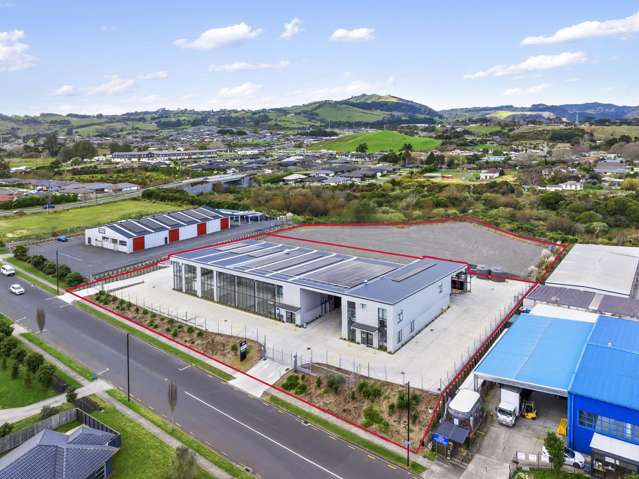
Christchurch’s new Mixed Use Zone, which became operative last year, is transforming the city’s industrial landscape, enabling warehouses and trade facilities to be converted into high technology production amenities, educational institutions, entertainment venues, and indoor sports complexes.
The zone, which applies to areas including Sockburn, Addington, Charleston, and Sydenham, rezones former industrial land to enable both commercial and residential development alongside industrial uses.
This planning evolution is creating unexpected opportunities in areas once exclusively industrial, as property owners and investors discover the flexibility to reimagine manufacturing and large-scale retail buildings for entirely new purposes, says Elliot Clayton, Industrial Broker at Colliers Christchurch.
It’s the broader commercial versatility that’s proving most transformative, enabling owners to pivot away from conventional industrial uses as market demand shifts and supply constraints tighten, Clayton notes.
Start your property search
“This planning approach is opening the door to development angles that were impossible in these precincts,” he says.
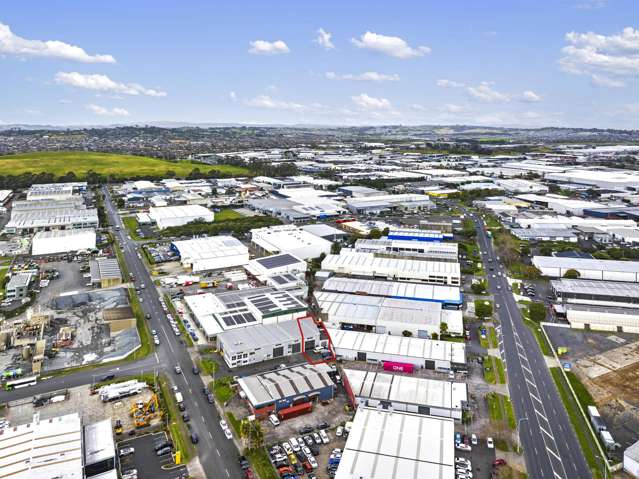
A case in point is 10-16 Watts Road in Sockburn.
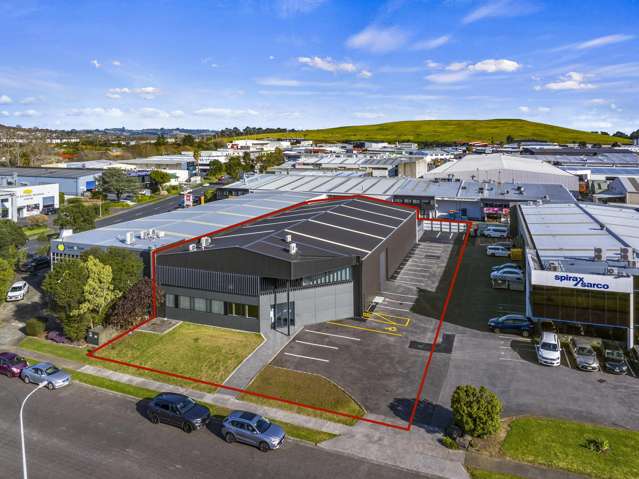
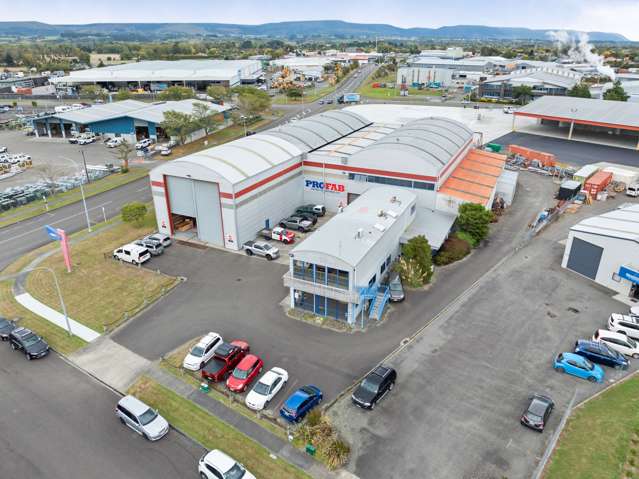
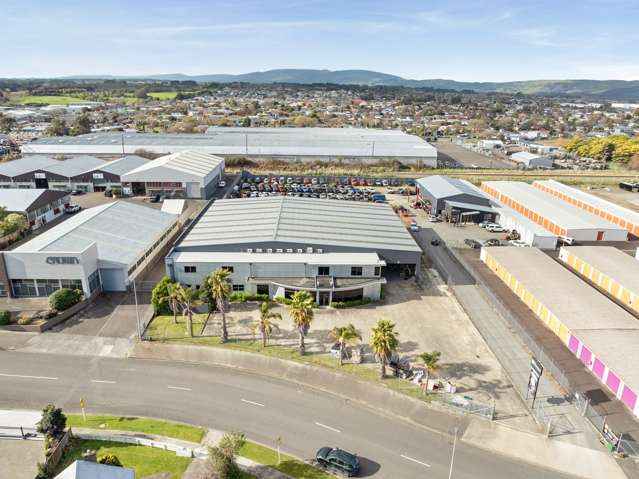
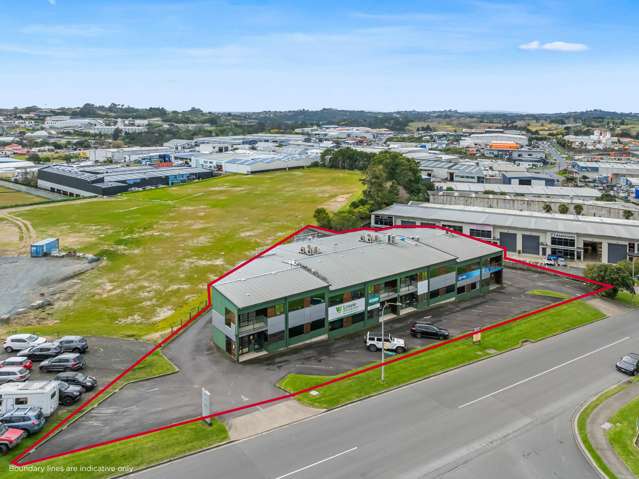
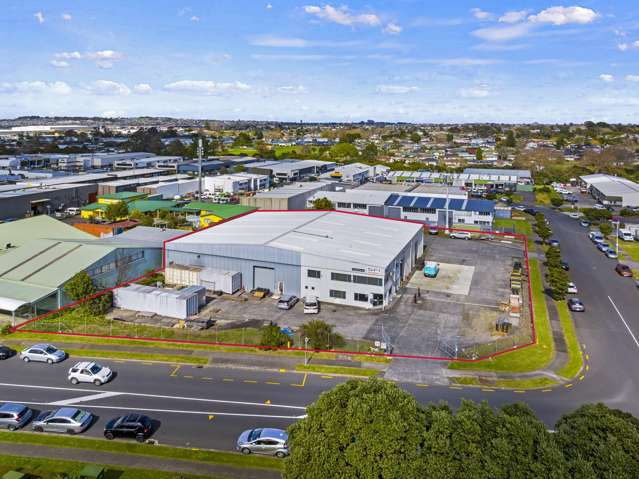
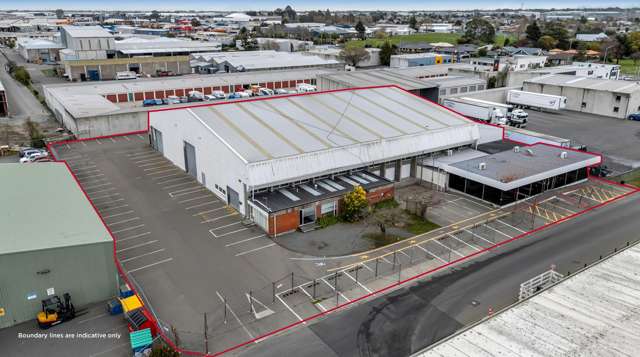
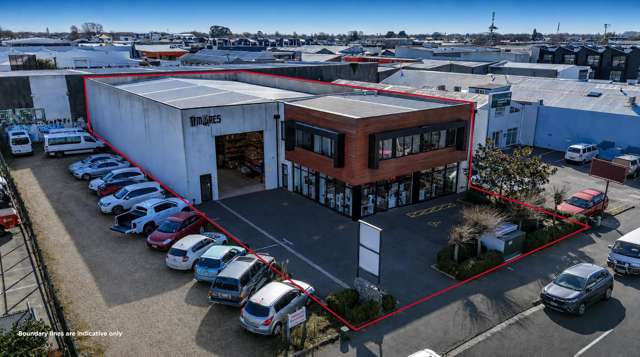
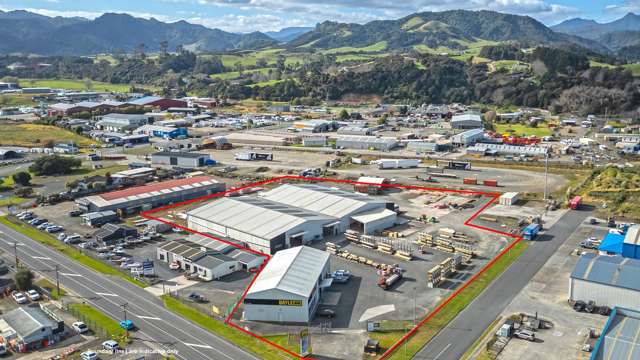
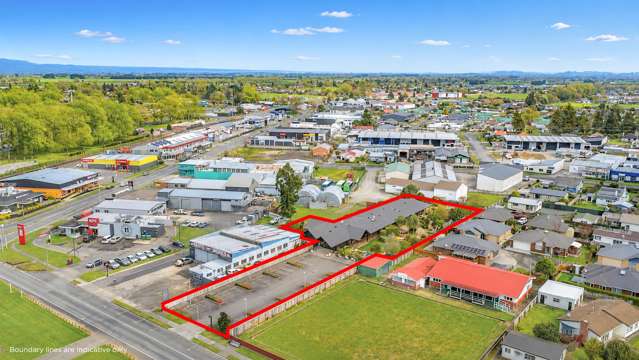
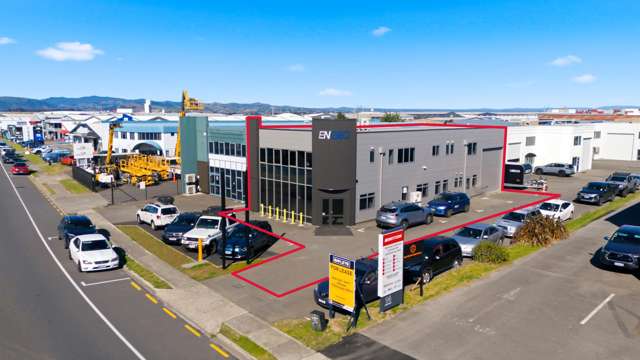
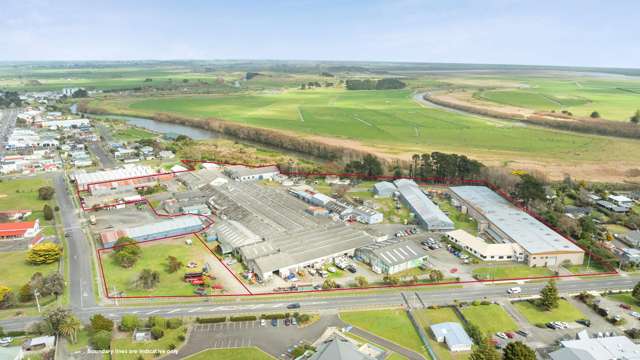
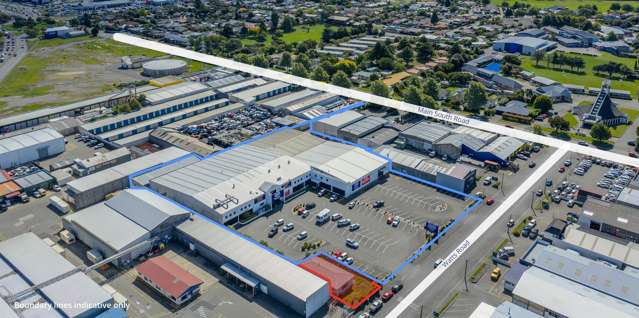
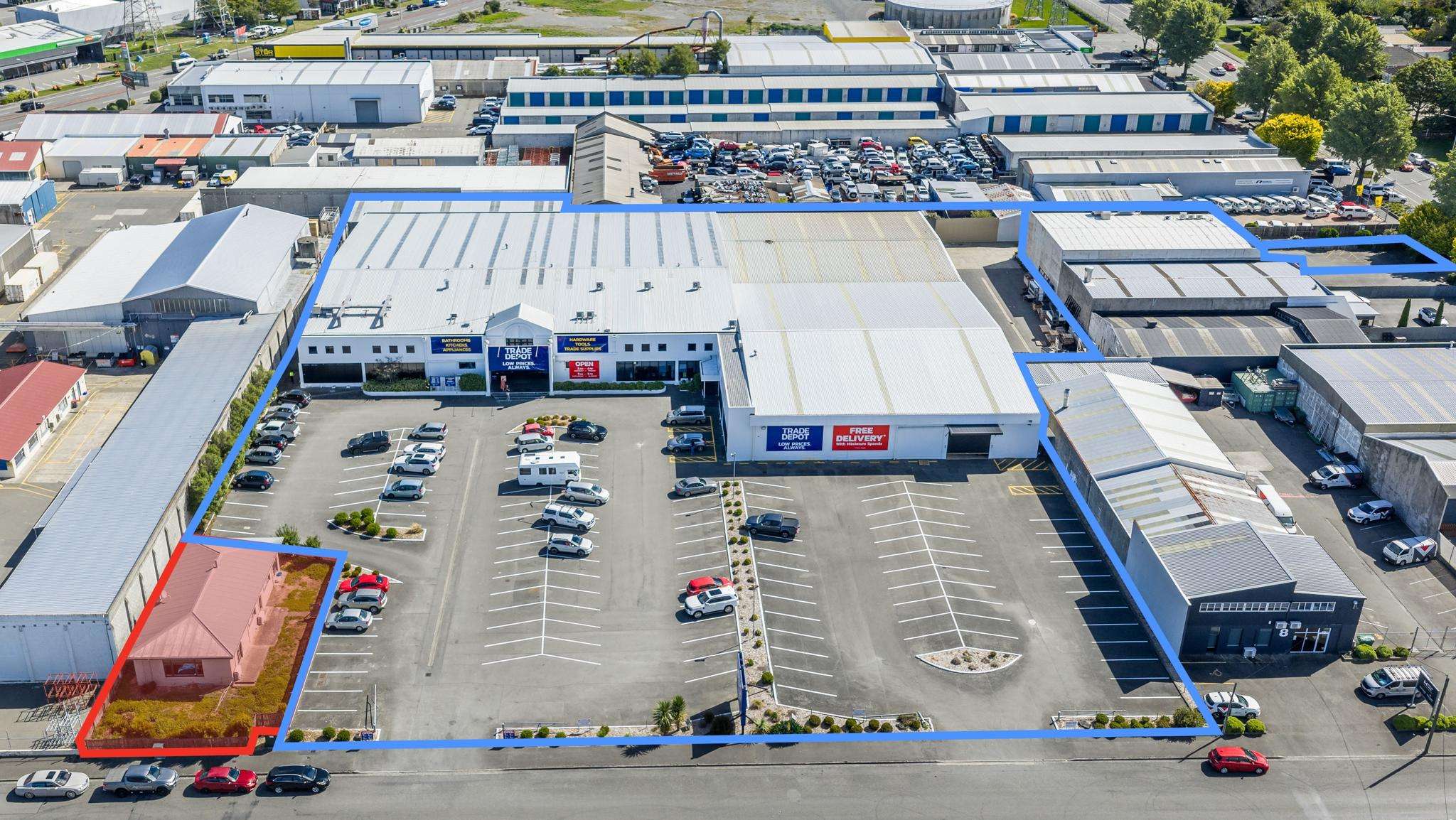
Colliers Christchurch is managing the sale of the 11,279sq m freehold site that is currently home to Trade Depot.
With the established trade retailer relocating to purpose-built premises in 2027, the property exemplifies the type of asset that could be transformed under this zoning approach.
While residential development is not permitted for this address, the site’s history for retail and entertainment use provides multiple options.
Smiths City previously occupied the property, proving its large-scale retail credentials, while before that a ten-pin bowling alley and gymnastics school operated from the Watts Road location.
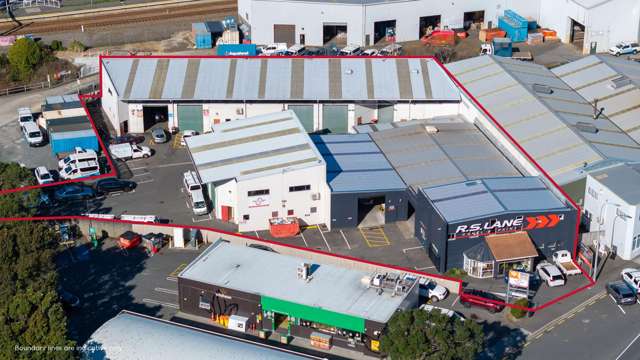
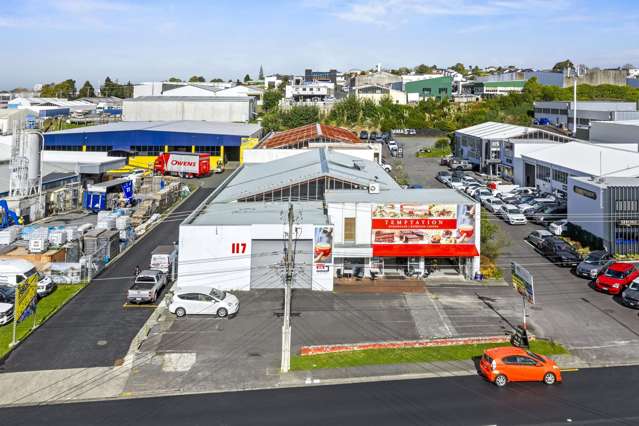
The site features approximately 5,750sq m of buildings with clear-span warehousing, showroom areas, first-floor office space, dual street access, and 144 on-site car parks – infrastructure that could serve multiple alternative uses.
Commercial vehicles enter from Main South Road, while cars and pedestrians are separated from heavy traffic via the Watts Road car park.
The property benefits from its position adjacent to the Blenheim Road trade retail corridor and at the edge of busy Riccarton neighbourhoods.
The timing of this zoning shift coincides with unprecedented constraints in Christchurch’s conventional industrial market.
Sam Staite, Director of Industrial at Colliers Christchurch, who is marketing the Watts Road site with Clayton, says land scarcity is creating sustained upward pressure on both capital and rental values.
Occupancy remains tight across the city, with vacancy between 2 to 5 per cent in most industrial areas.
According to Staite, the new planning philosophy is enabling a substantial reshaping of central industrial precincts, where proximity to amenities and transport infrastructure makes alternative uses economically viable.
“With limited competing product offering similar scale and adaptability, properties like this demonstrate how regulatory changes are creating entirely new investment strategies,” Staite says.
“Industrial properties now appeal to a wider range of owner-occupiers, and investors have opportunities to lease premises to more diverse tenants.”
The Watts Road property is being offered for sale by deadline private treaty closing at 4pm on 12 March.
It is available with vacant possession in 2027, or Trade Depot is offering a sale and lease back deal for buyers seeking immediate cashflow.
For Staite and Clayton, the opportunity at Watts Road represents a broader shift in how Christchurch thinks about its industrial heartland.
- Supplied by Colliers