ANALYSIS: Since the US launched attacks on Iran at the end of February, the focus, quite naturally, has been on the negative, with wars as a rule not good for most people. But there is a positive for New Zealand, which will eventually contribute to stronger growth and, in turn, will assist a new recovery in the housing market.
The closure of the Strait of Hormuz has disrupted the supply of not just oil but also fertilizer. The higher cost of buying and applying fertilizer means that in many places, crops are not being sown.
This is leading to something we have never truly experienced in New Zealand – worries about food shortages. As a country, we have the capacity to feed about 40 million people and are well used to having plenty of food at our disposal, even if the cost is sometimes quite high. The world wants what we have, with some governments worried that any discontent around food availability and prices will have a negative impact on forthcoming elections.
This development comes at a time when two other things are happening. First, the world is ageing, and there is an emphasis on increasing our protein intake. This demand has been enhanced by weight-loss medications, which can remove muscle tissue as well as fat. To offset this, people are again seeking out more protein.
Start your property search
Discover more:
- Tony Alexander: Did the Reserve Bank make the right call with the cash rate?
- Revealed: One in three Kiwi suburbs still stuck in the housing slump
- Expats excited as bach gets $150K price tag - but there's a catch
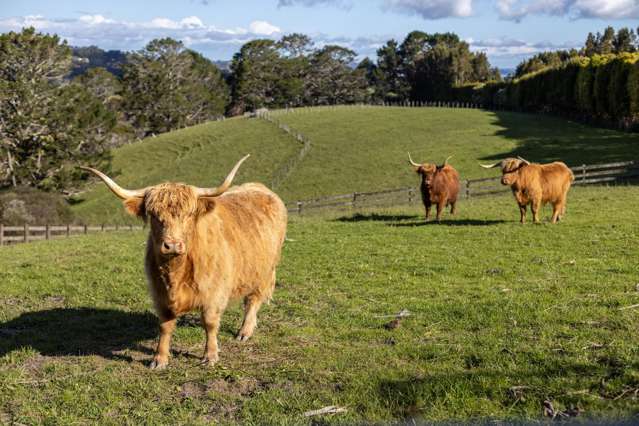
This is what we are experts at producing, and that means good prices (high prices for us locals) for our dairy and meat exports.
Second, there appears to be a structural shift underway towards greater use of wool for reasons of sustainability amongst others. This is also good for our exports, though wool is not really as important as it used to be.
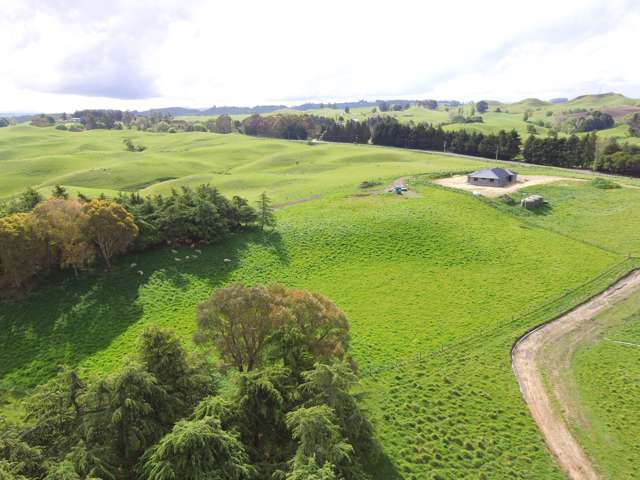
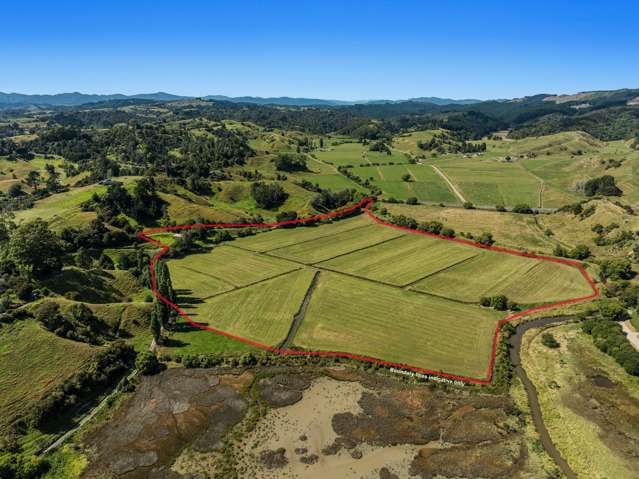
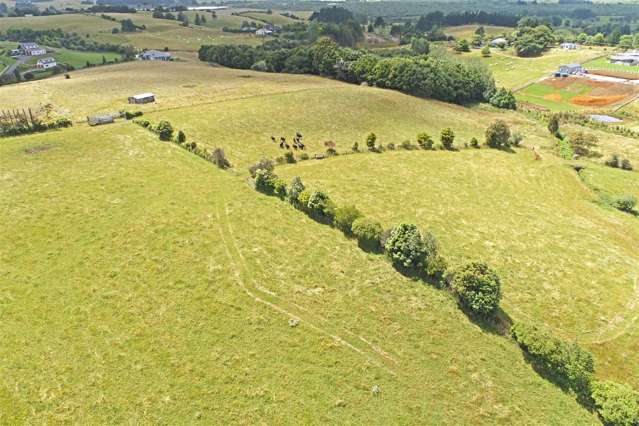
The upshot is that out in the regions away from our major cities, farmer incomes are growing. This sort of thing not only tends to slowly boost farmer spending on the sort of goods and services we in the cities usually buy, but also leads to increased spending on farm development and expansion.
Over time, the upturn in rural economic activity will reach city labour markets and generate a rise in confidence, which will go a long way to offset the negative impact of rising interest rates this year and next.

Independent economist Tony Alexander: "As a country, we have the capacity to feed about 40 million people and are well used to having plenty of food at our disposal, even if the cost is sometimes quite high." Photo / Fiona Goodall
This doesn’t mean that a strong upturn in the housing market lies just around the corner. Other long-term fundamentals are in play, like a structural downshift in investor demand and increased new housing supply. But the extent of housing market weakness in response to the surge in worries since February 28 may prove less deep than some on the ground fear, or perhaps hope in the case of new buyers.
I can already see some easing off of the pessimism in my latest survey of real estate agents, undertaken with help from NZHL. A month ago, only 5% of agents said they could see some buyers displaying FOMO; now 10% say that. The number is low, but an improvement.
More agents were seeing first-time buyers and investors in the market, and fewer agents were reporting a drop in attendance numbers at auctions and open homes.
The data still firmly tell us that the residential real estate market is quiet, but come summer (spring feels too early), higher export incomes and upturns in tourism and foreign student numbers will contribute to an eventual and more sustained recovery in housing activity and even prices.
- Tony Alexander is an independent economics commentator. Additional commentary from him can be found at www.tonyalexander.nz