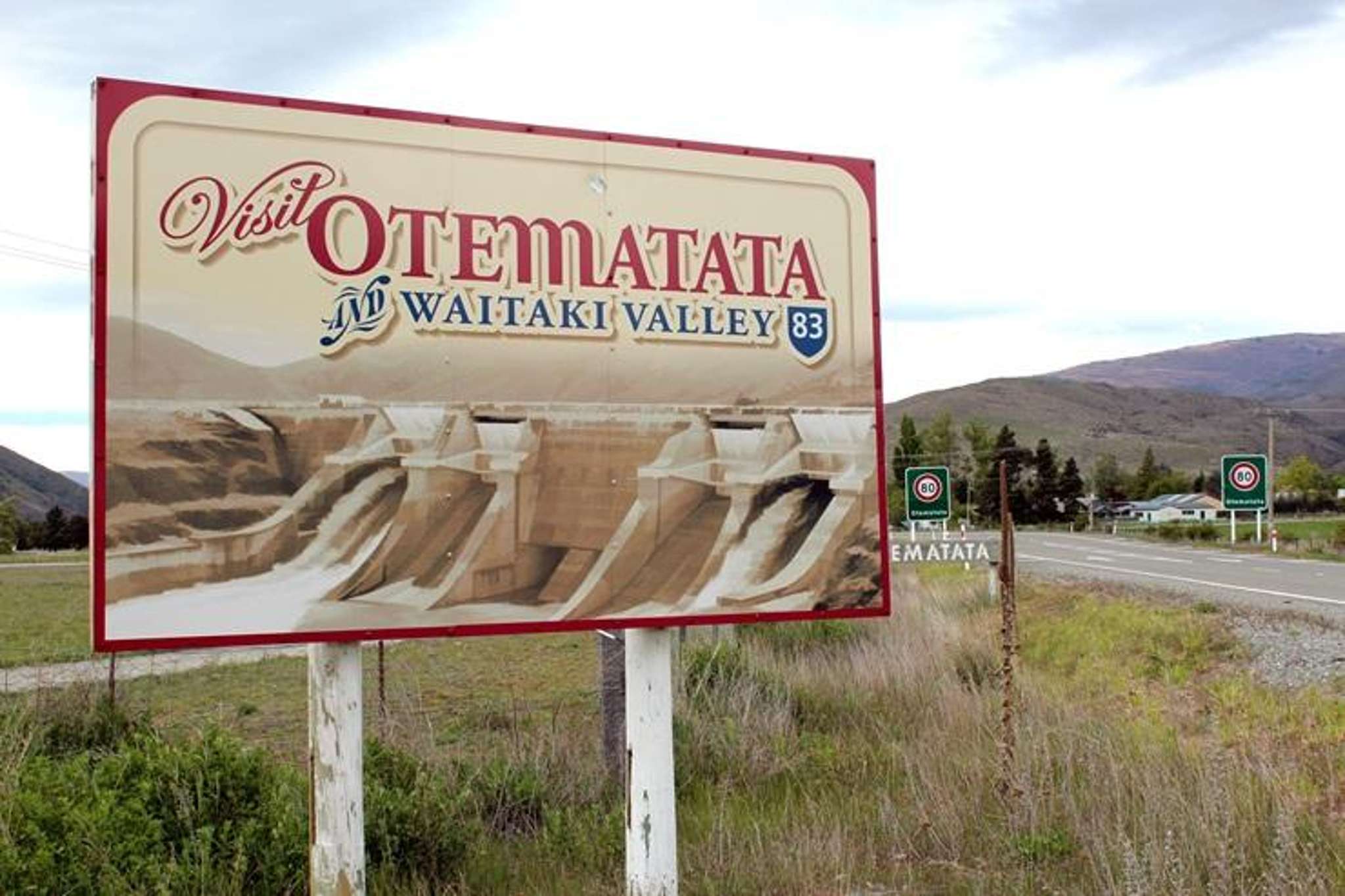
- Otematata’s property values rose 8.7% to $586,000, leading national growth.
- Otautau’s average property value increased by 5.3% to $435,000, driven by interest in rural views.
- Kawaha Point and Utuhina in Rotorua saw property values rise by 6% and 5.6%, respectively.
Some of New Zealand’s tiniest towns are among the housing market’s hottest and most resilient spots.
Start your property search
House prices in Otematata, a town of around 200 residents, jumped almost $50,000 in the last three months, according to the latest OneRoof-Valocity figures.
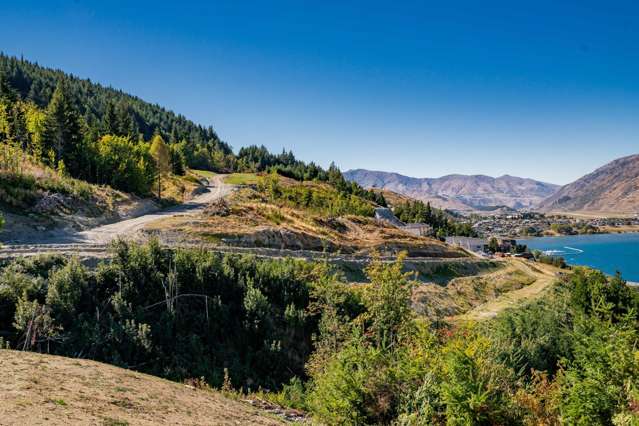
Located in Canterbury’s Waitaki district and established in the 1960s for workers of the Benmore and Aviemore dams, Otematata is now New Zealand’s leading spot for property value growth.
The town’s average property value rose by 8.7% to $586,000 in the first quarter of the year, almost three percentage points ahead of the next biggest riser, Kawaha Point, in Rotorua.
Property Brokers Oamaru agent Barry Meikle says the town is a “lovely spot”, which transforms over Christmas and New Year. “It really comes alive because a lot of people camp around the lake, too.”
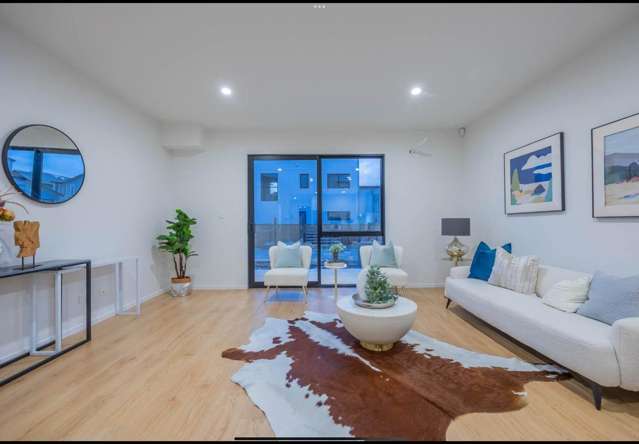
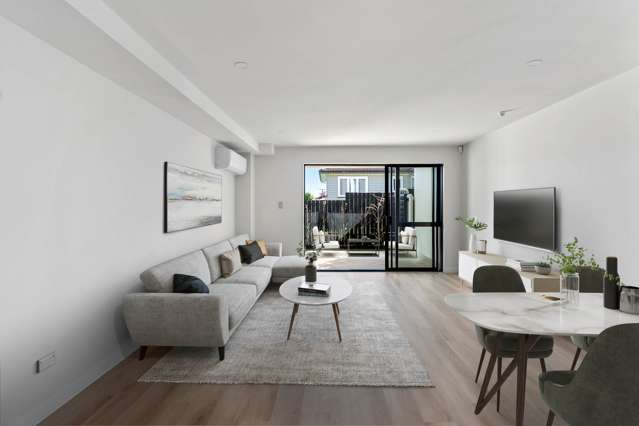
He is selling a fully-furnished, one-bedroom apartment in the Waitaki Lakes Apartment for over $240,000.
Compared to the likes of Rolleston, where over a 1000 homes change hands every year, Otematata is a quiet town for property sales. In the last 12 months, it recorded 24 transactions.
However, when properties do hit the market, they exceed expectations. In the last five years, house prices have risen by $126,000.
Meikle jokes that most Kiwis had never heard of the town, but “it’s generating probably half the North Island’s power, with Benmore and Aviemore. Most of the power goes across the Cook Strait cable.”
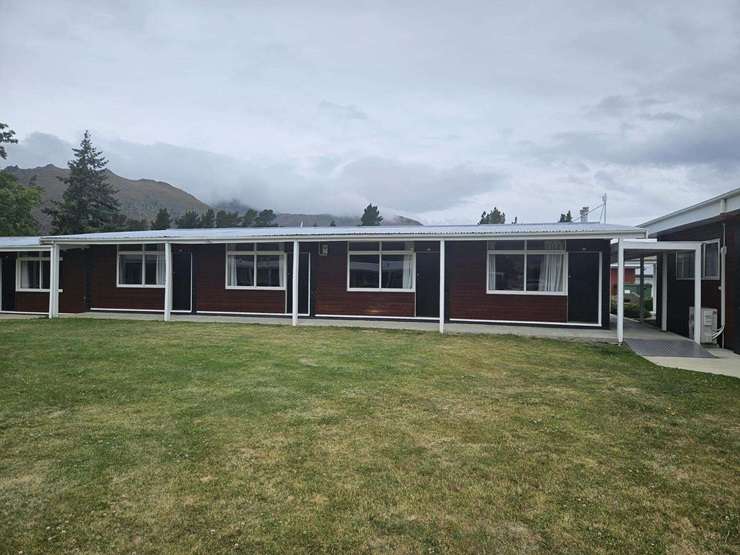
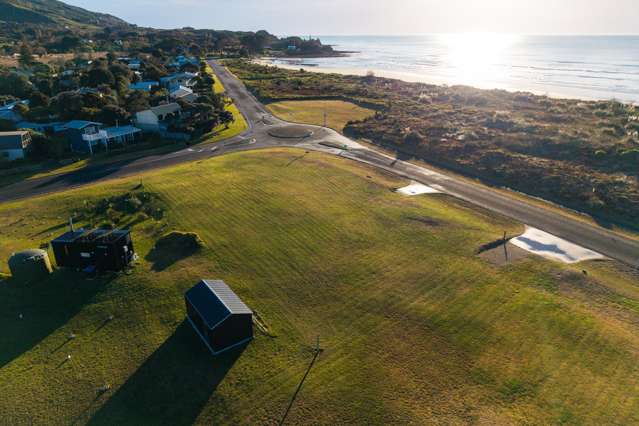
A one-bedroom fully furnished unit in the Waitaki Lakes Apartment complex, on Otematata Kurow Road, is on the market for over $240,000. Photo / Supplied
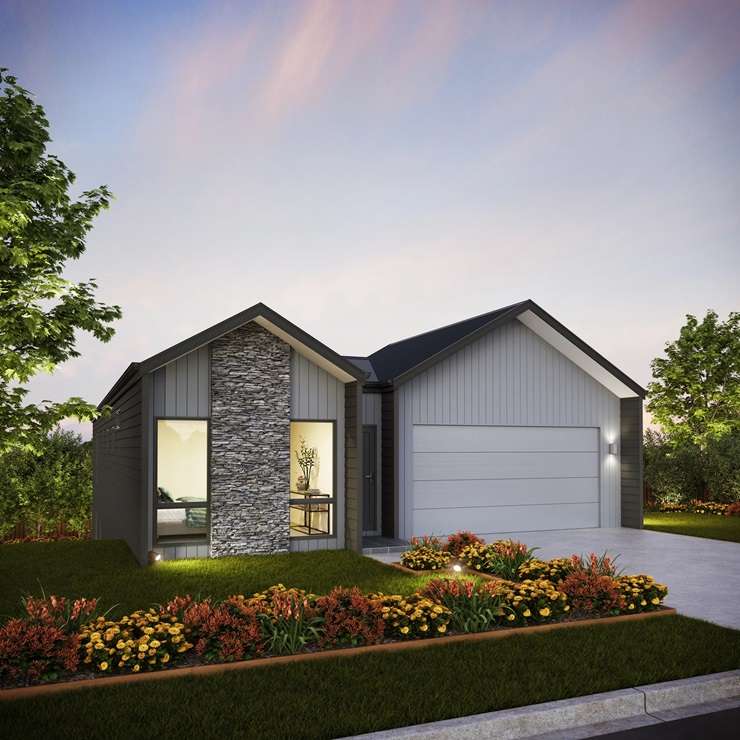
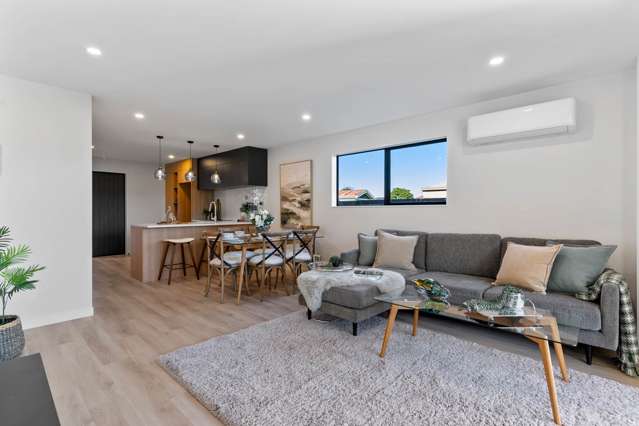
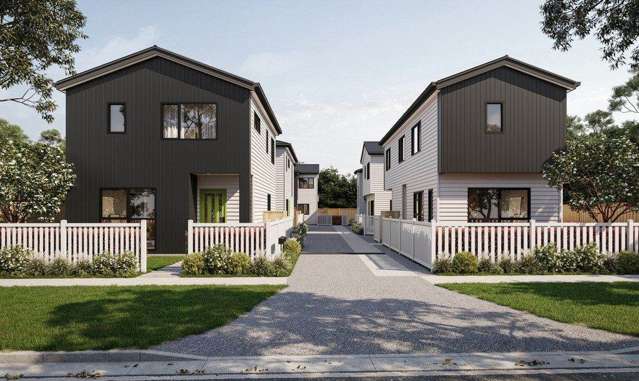
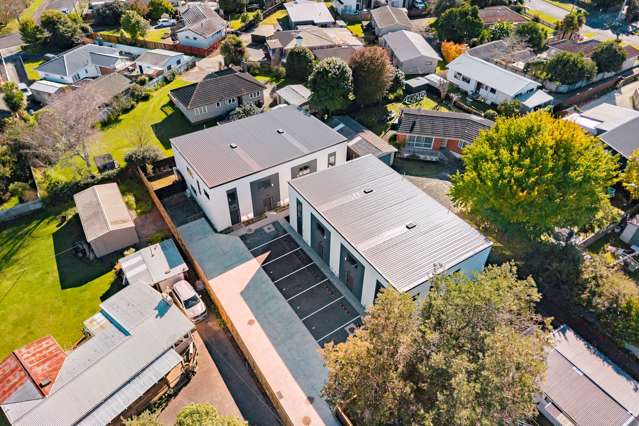
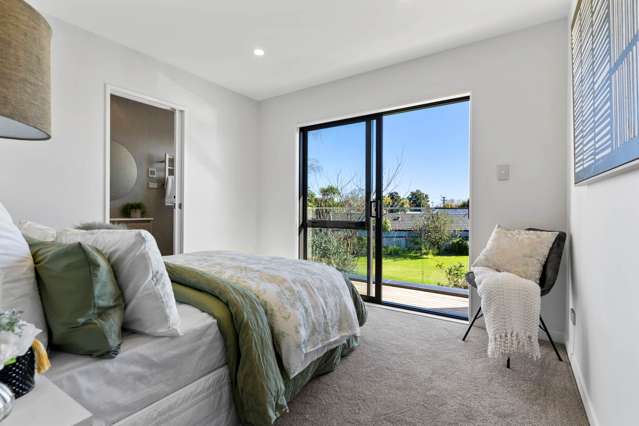
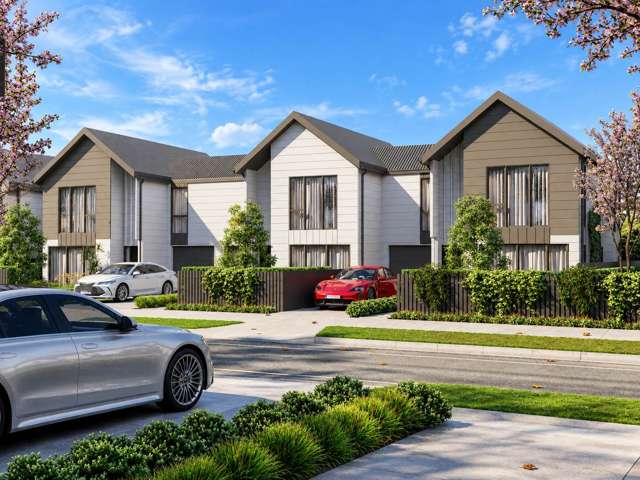
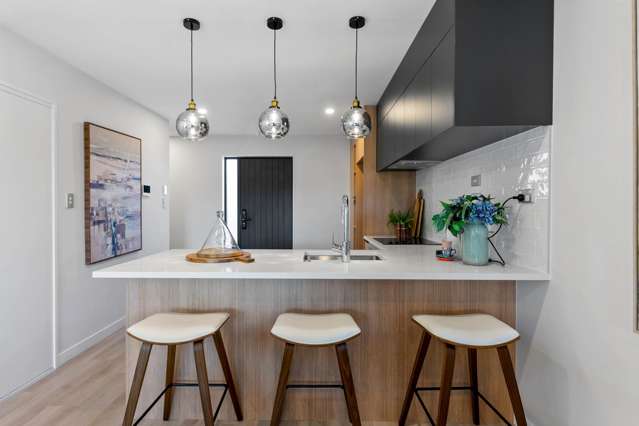
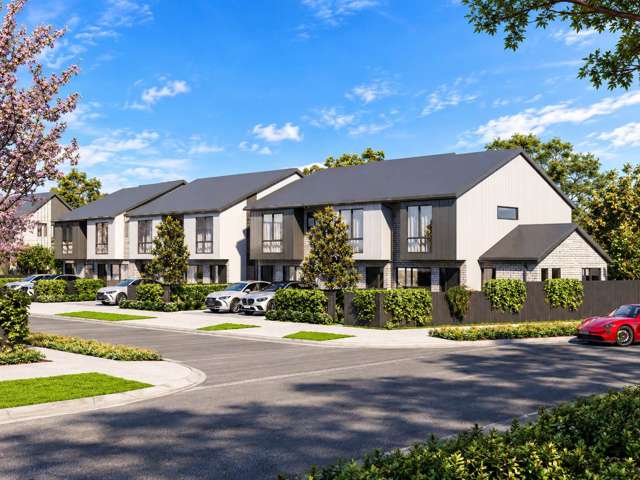
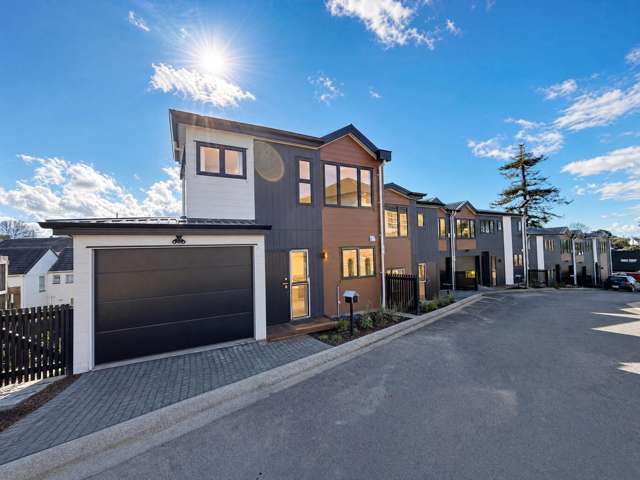
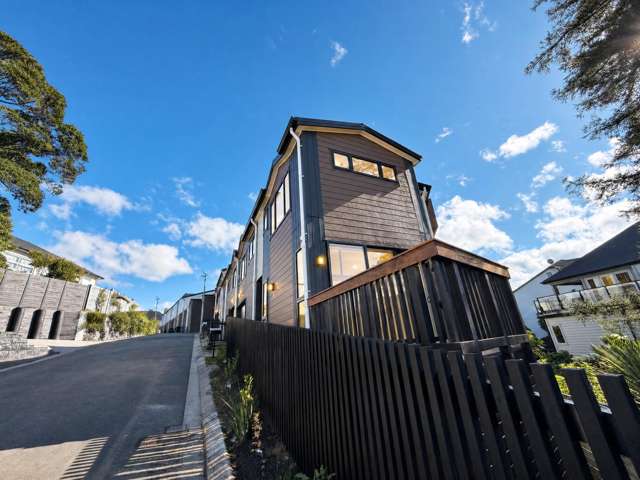
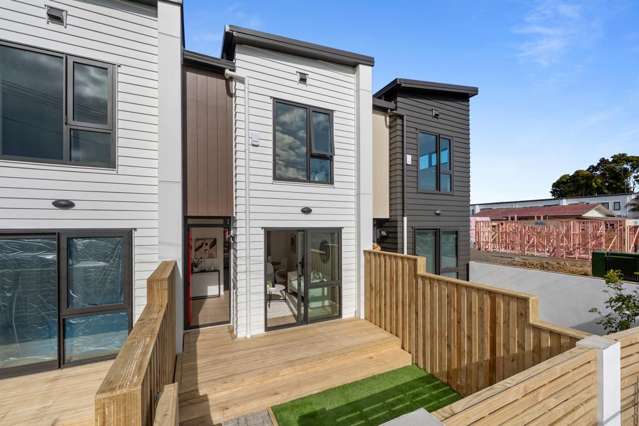
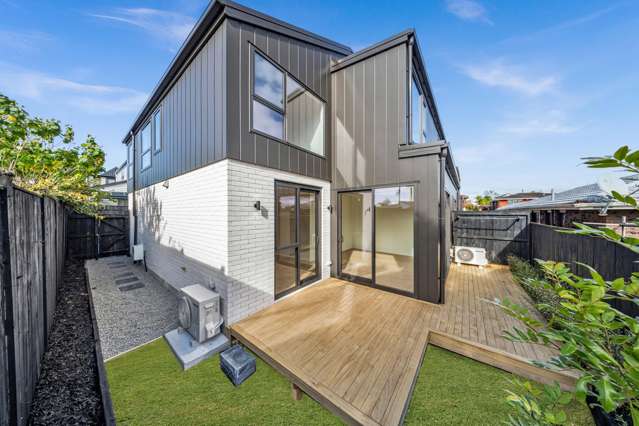
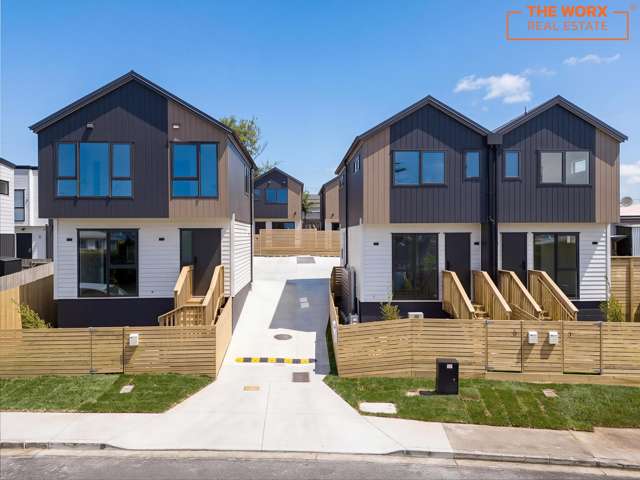
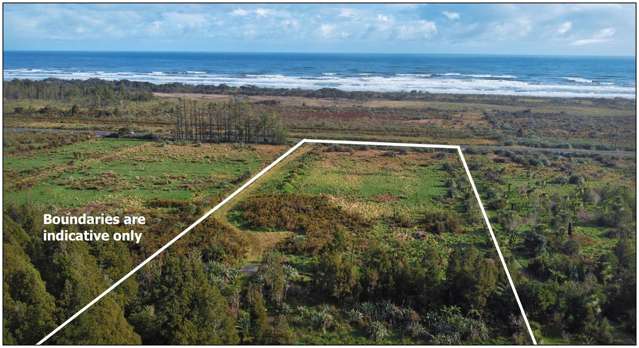
Prices for house-and-land packages at 3 Albert Place, in Otematata, start at just over $1.2m. Photo / Supplied
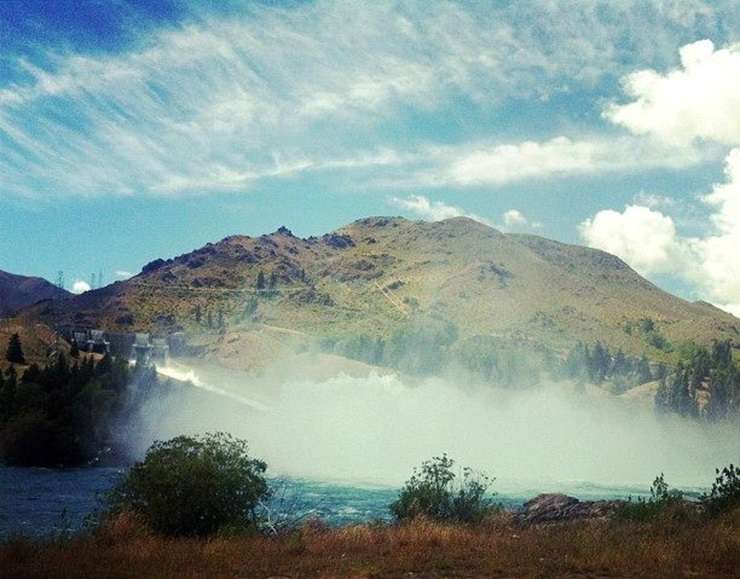
The dam spills at Otematata. The town’s population was around 7000 in the 1960s when the nearby dams were being built, but it has since shrunk to around 200. Photo / Rachel McNeill
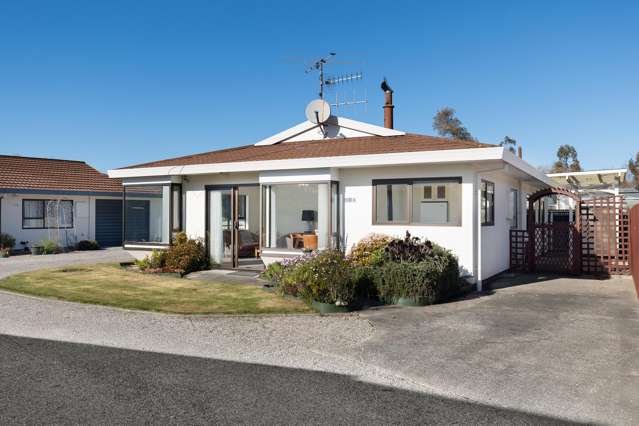
He says many of Otematata’s T-shaped workers’ houses are still standing, but because most were built without insulation, owners have typically renovated them or demolished them to start again.
The worker cottages had a bedroom at either end of the T with the lounge, bathroom, kitchen and laundry in between. Most were sold back in the 1970s for about $700, which was a lot of money at the time. Now they are nearer $500,000, depending on their condition, Meikle says.
A mixture of people is on the hunt for homes in the town: mainly buyers from Christchurch, Dunedin and Invercargill, which are only two or three hours away by car.
Meikle says some bigger homes around the $1m mark had been built in the town, which could be fuelling the lift in property values. Some nice homes had also sold for around $750,000 and $800,000.
Discover more:
- Which suburbs are winning in 2026 - and which ones are flatlining?
- Horse-racing legend's new suburb hits the market with strict covenants
- Mortgagee sale of $8m Auckland mansion linked to troubled apartment block
Listings on OneRoof show house-and-land packages for sale in the town for between $1.2m and $1.5m.
People building larger homes tended to be retirees or people who had holidayed in the town but who then decided to buy and stay. The fact that properties were tightly held typically supported prices in the town.
“There’s the odd one, but it’s not that often that there are repeat sales.”
About 4.5 hours south of Otematata is another small town where house prices are rising fast. Otautau, near Invercargill, saw its average property value jump by 5.3% to $435,000 in the three months to the end of March.
Philip Brough, from Ray White Invercargill, made one of the town’s largest sales of the last six months when he sold a lifestyle block on Yellowbluff Road for $1.125m.
Brough says there’s good interest in little towns like Otautau, noting that he had four bidders for Yellowbluff Road. The buyers had wanted views, and there aren’t views in Invercargill, he says.
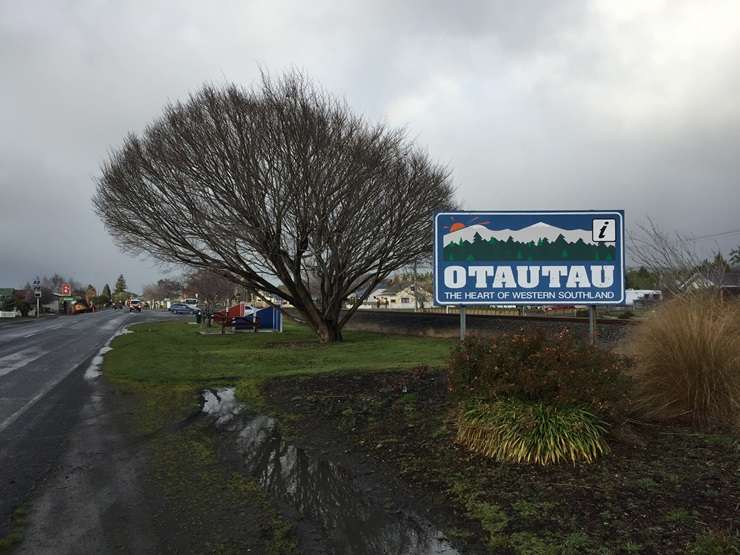
Otautau, in Southland, is a forestry town north of Invercargill. House prices there have grown by over 5% in the last three months. Photo / Kurt Bayer
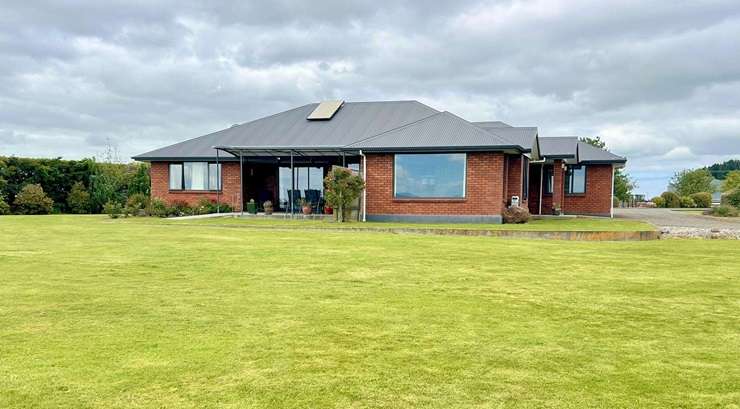
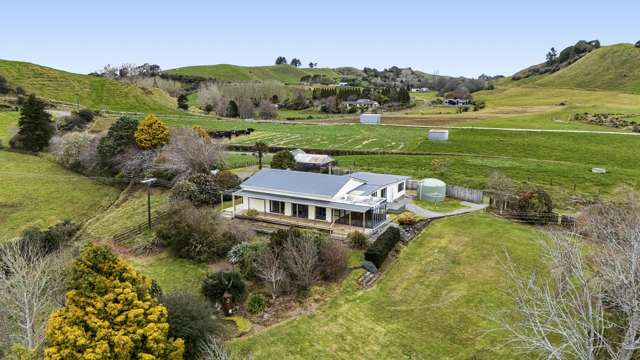
A lifestyle block on Yellowbluff Road, in Otautau, recently fetched $1.125m - $55,000 above its RV. Photo / Supplied
“[In Otautau] you’ve got the Takitimu mountain range, and you’ve got sweeping rural valleys.”
Around 1500 people live in the rural service town, and the housing market there, like the rest of Southland, has grown in confidence. The area is destined for plenty of new industry over the next 30 years, including the nearby Makarewa data grid, which Brough says will end up employing 1500 people.
A lot of small towns are doing well, the 45-year real estate veteran says. “I’ve probably seen a resilience in Southland that I’ve never seen before. It’s the fact that when New Zealand went through the highs, we never got to the peaks that other people did, and consequently, we never had the troughs either.”
In the North Island, two Rotorua suburbs are also enjoying the heat. Kawaha Point’s average property value was up by 6% to $789,000, and Utuhina’s rose by 5.6% to $605,000.
Dave Umbers, principal for VIP Realty, who recently sold a Pah Road property in Kawaha Point for $945,000, says: “Over the years I have sold a lot of properties in Kawaha Point, and it can be one of the stickier suburbs in Rotorua.”
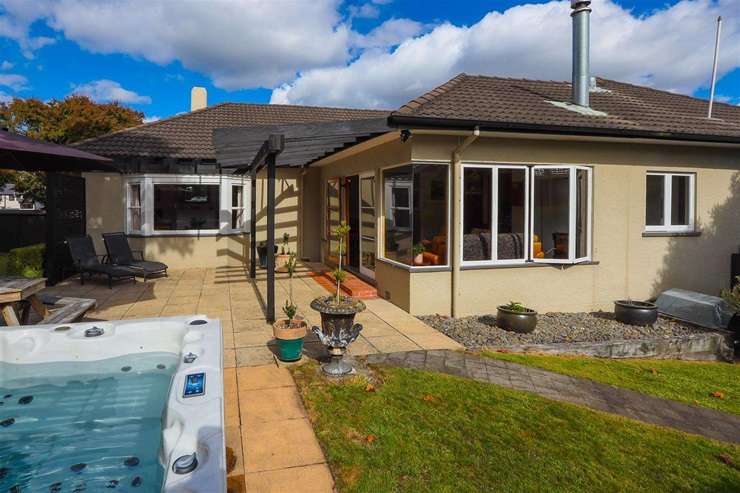
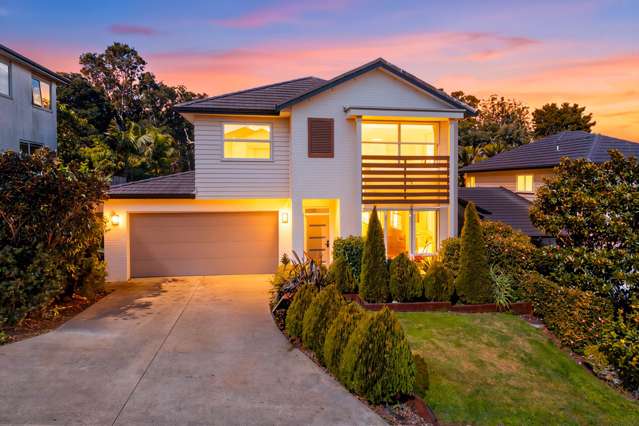
A four-bedroom character home on Pah Road, in Rotorua’s Kawaha Point, was recently snapped up for just under $1m. Photo / Supplied
There had not been much interest in the property before it suddenly sold last October, and that can be the case with the suburb.
Asked why, Umbers says: “Trout flies.”
The little midges breed on the lake and are a negative for the area, he says. “Kawaha Point is well known for that being a problem. Obviously, when we sell these places, we tell people this is a potential issue. You have to because it is material to the value of the property. If someone buys it and they walk outside and open their mouth and it’s full of trout flies, they get pretty pissed off if they haven’t been told.”
On the upside, they were full of protein, Umbers joked, adding they did not bite but were annoying.
Outside of the trout flies, Kawaha Point was a prime area and was sought after because of the lake views.
The more central suburb of Utuhina, about seven minutes away, was another example of an area where a few high sales can pull up overall property values. “A $1m sale in Rotorua is relatively rare, and you only need two or three of those to give a suburb rise of 10%,” Umbers says.
It was a nice area with some good quality houses, some with more distant lake views.
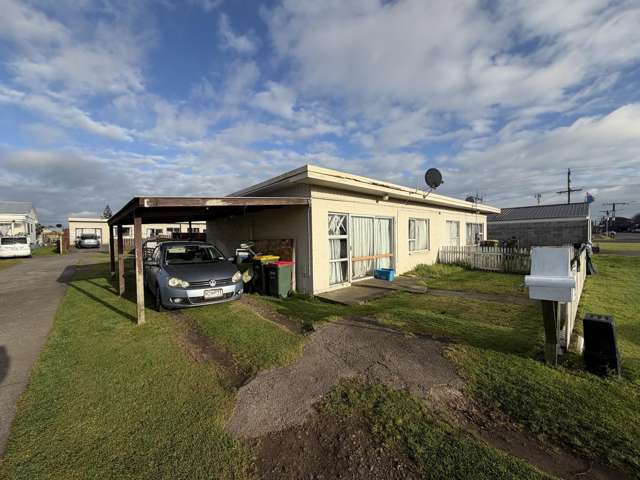
Murupara, a low socio-economic suburb in Whakatane, also made it onto the list of New Zealand’s five biggest house price risers, but while the jump over the last three months was 5.3%, that only brought the average property value to $220,000.
Umbers says his agency closed a deal there this week for $190,000, which was a big number for the town, which is dominated by rentals.
Umbers says the war in Iran was a worry for his market, though. “I feel with what’s going on around the world, I think it’s going to turn to custard big time. I just think buyer confidence is going to fall through the floor, and I think banks are going to feel exposed because there’s a lot of slim equity lending now.”
- Click here to find properties for sale