- The property investment market is shifting from speculative gains towards yield-focused, long-term investors.
- High costs are pushing small landlords out, while first-home buyers purchase some former rentals.
- Dunedin student rentals attract outside investors with 6%-8% yields, unlike weaker Auckland and Wellington markets.
The era of easy gains from residential property investment is over, with the market reverting to one that rewards more traditional, yield-savvy investors, industry experts have told OneRoof.
Start your property search
Some mum and dad landlords are retreating from a market encumbered with rising rates, high insurance and other costs – with an active first-home buyer market snapping up some of those homes.
Homeowners who bought an investment property during the market peak may be shelling out an extra $150 or $200 a week to cover the costs, says Wayne Shum, senior research analyst for OneRoof’s data partner Valocity.
Meanwhile, traditional investors from Auckland and Wellington are broadening their searches to the student accommodation suburbs of Dunedin because of the oversupply of townhouses and soft rents in their own backyards.
Shum says the pathway to buying an investment property is closed to those who entered the market during the post-Covid peak, when prices were high and interest rates were low.
A third of those peak buyers lost equity rather than gained it and were now stuck. Property investment would be financially impossible even if they wanted to do it.
Investors who bought between 2020 and 2022 were in a similar bind – they face mounting top-up costs and the prospect of selling for a loss if they decide to quit the market. That experience could shape how their children view property investing, says Shum.

Valocity senior research analyst Wayne Shum: “Are we at a generation where 16-year-olds are seeing their parents trying to top up the rental they can’t sell?” Photo / Fiona Goodall
“If you go back a generation or two, there will be kids that saw their parents suffer massive losses in the stock market, the 87 crash, so those kids stay away from buying shares,” he says.
“Are we at a generation where 16-year-olds are seeing their parents trying to top up the rental they can’t sell?”
Shum did not believe the cohort who bought at the peak was large enough to cause a shortage of rental supply down the line.
Townhouse supply was still coming through, and many buyers who bought in 2019 before the peak had plenty of equity. “You’ve got to remember, it’s [the peak] only really the six months either side of the 2021 Christmas.”
Valocity’s figures show that of the properties bought in 2019 and later sold, 97% made a gross profit, averaging $185,000. For those who bought in 2022 and had since resold, only about half made a gross profit, with an average of $45,000. But for those who bought in 2025 and resold, the average gross profit hit $128,000.
Discover more:
- Suzanne Paul's former home for sale - mansion fit for an infomercial queen
- 'People lined up ... it was mental': Town where $700,000 buys any house you want
- 'Sorry, we signed a confidentiality clause': Record-setting mansion sells again
However, Shum says that this probably reflects the flipper market, which included those who bought Kāinga Ora homes for low prices and renovated them for resale.
Small investors were more prominent among those selling in 2025 and 2026, but their decline was modest. “They do represent a biggish share of the market that was doing the selling in 2025 and 2026 versus 21 and 22. They’re not monumental shifts – it’s only a small trend.”
The costs being faced, from rates to Healthy Homes standards, meant a rental was no longer being seen as a sure retirement bet, he says.
Independent economist Tony Alexander agrees that the unfortunate group of peak buyers now struggling are too small in size to alter the fundamentals of the rental market. “It definitely hasn’t stemmed a generation. It’s just a group of people who basically bought at the top.”
Long-term investors focused on retirement, yield and professional management have remained, he says, adding that there are plenty of rentals available in the market.
Alexander says the rental share of housing had averaged about 32% since the 1951 Census, and he expects it to remain near that level.
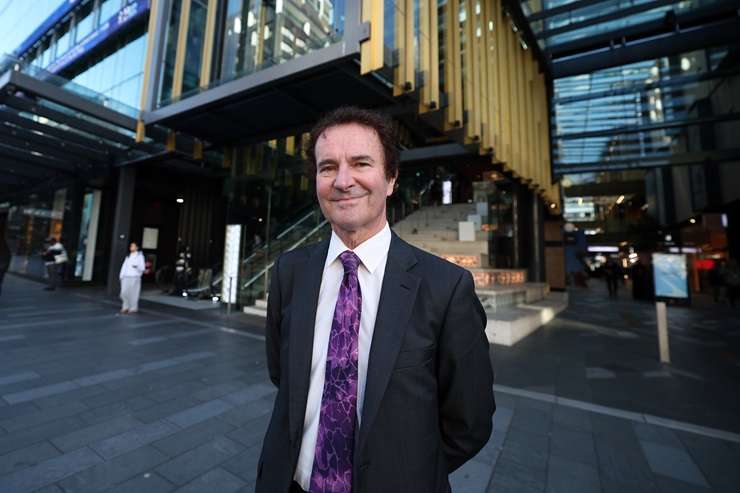
Independent economist Tony Alexander: “At the moment there is a rejigging, a weeding out and a settling of the investor part of the market.” Photo / Fiona Goodall
“At the moment there is a rejigging, a weeding out and a settling of the investor part of the market to something more sustainable where all those long-term experienced investors are there, [and] the individuals focused on housing as part of a diversified portfolio with a focus on yield along the way, not dependent on capital gain, are there.”
Alexander says the market is undergoing a structural shift towards better, slower capital gains, more first-home buyers and less frenzied speculation, which was a good thing.
“It also means fewer people being caught out when there’s just a normal correction in the market because they’ve over-geared or something like that.”
Regional variations exist in the investor market, and sometimes between suburbs.
In Mosgiel, 15km from Dunedin, Judd de la Roche from Property Brokers is seeing investors cash up because they expect little capital gain and tell him costs are too high, putting the market under “serious threat”.
“We’re just getting people who are really wanting to cash up on their investment property because they don’t see any capital gains in the next few years, plus they’re getting older.”
One seller told him a bank deposit could deliver a comparable return without having to face rates, insurance and maintenance costs. Even the new rules allowing pets had also deterred some landlords.
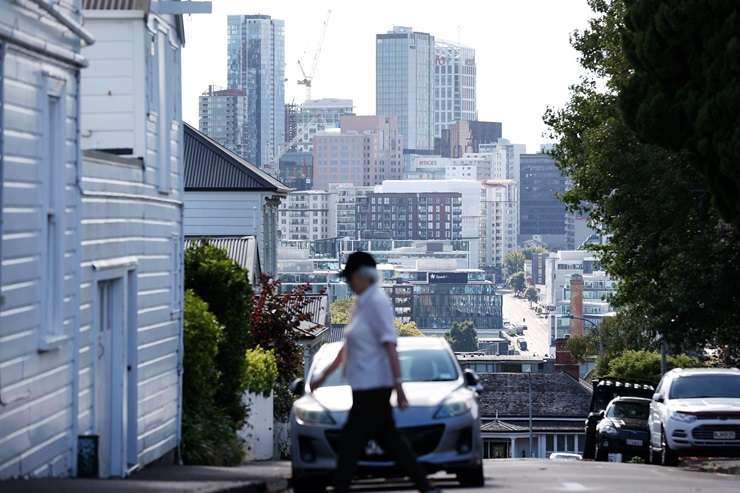
Buyers who entered the market in 2020 and 2022 face reselling at a loss. Photo / Fiona Goodall
“Lots of landlords don’t want pets because they wreck everything, and so there’s lots of people going ‘I don’t want to do that any more’ and so they’re selling.”
De la Roche fears fewer private rentals could leave taxpayers having to fund more housing.
Over the hills in Dunedin, the student accommodation market presents the opposite picture. Matt Morton, of Matt Morton & Co, has seen a strong run which is only now easing ahead of the election.
He says most buyers he sees now come from outside the city, including many Aucklanders. They are educated and focused on yield, rather than buyers who might have once bought a family home in a suburb like Onehunga as a rental.
Dunedin student properties can yield 6% to 8%, compared with roughly a 3% to 4% yield in Auckland, he says. “The investment property is generally going to be very heavily weighted towards its yield return.”
About 85% of buyers in Morton’s student-market suburbs now come from elsewhere in New Zealand, up from about 40% a few years ago. He says people are seeking cash returns, and 5.1% enrolment growth at the University of Otago has added pressure to rents, with more student growth expected in the years ahead.
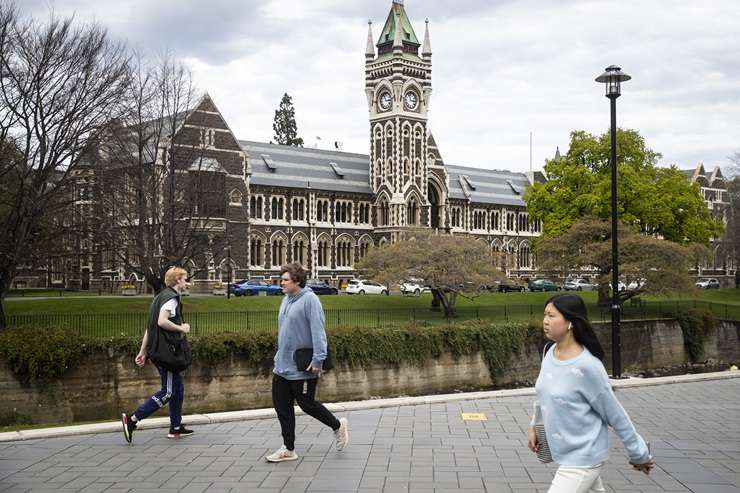
Seasoned investors have increasingly turned their eyes to Dunedin, where student properties can offer high yields. Photo / Jason Oxenham
“If they were going to go and buy that Onehunga three-bedroom property, they’re going to be putting money into it each week to top up the cost of the property, and you only really want to be doing that when you have confident capital gains going ahead.
“With our one, you can buy something and do your numbers on it, and there will be a cash return, so they’re after cash returns as opposed to capital gain.”
Morton notes that one reason out-of-towners are outstripping local buyers is the Reserve Bank debt-to-income restrictions introduced in 2024.
“The biggest thing the DTIs restrict is buying the next property and the next property and the next property.
“There’s been hardly any of those ones, and those buyers were very used to the student market.”
Property Investors Federation president Peter Ambrose also believes a structural change is underway as smaller investors retreat, although he agreed strong pockets remain, including in Dunedin.
Fewer investors were entering Auckland and Wellington, where supply was high and rents soft, but Ambrose said conditions could change quickly.
“It’s supply and demand, and as the demand increases, the vacancy rates will reduce. That will lead to rent increases where possible.”
Rising outgoings always fell hardest on small landlords, he said. When he started 27 years ago, four or five weeks’ rent could cover rates and insurance, but now the figure was closer to 10 or 12 weeks.
“Again, that just puts the squeeze on the industry, or on investors being able to provide rental accommodation when the market goes soft on rent.”
Christchurch, Invercargill and Dunedin were performing better, he said, while Wellington’s shifting supply could partly reflect public-sector cuts that prompted owners to sell or rent out their homes.
- Click here to find properties for sale