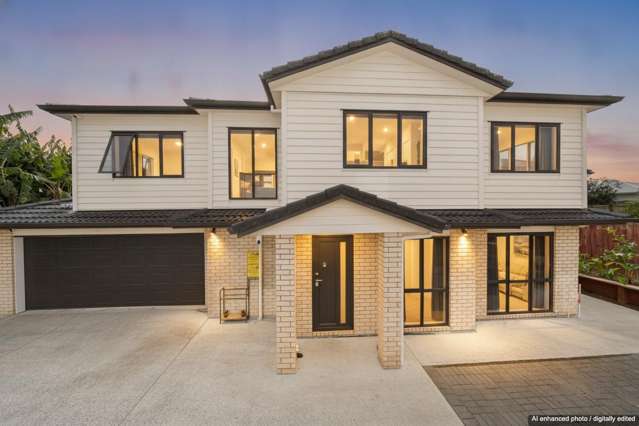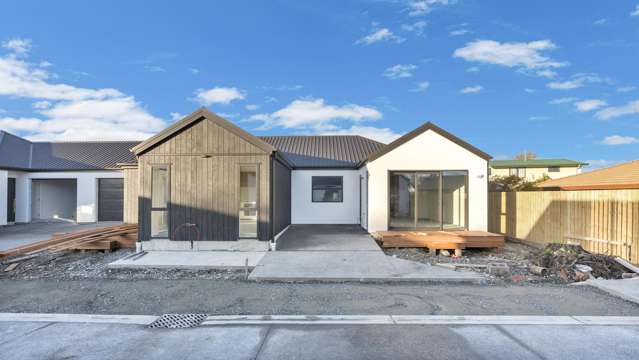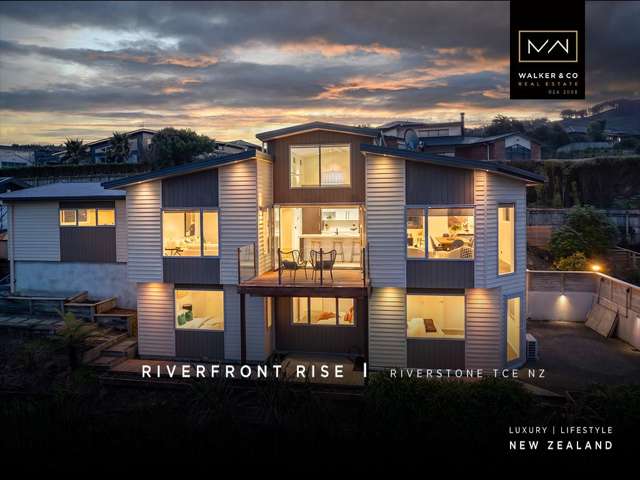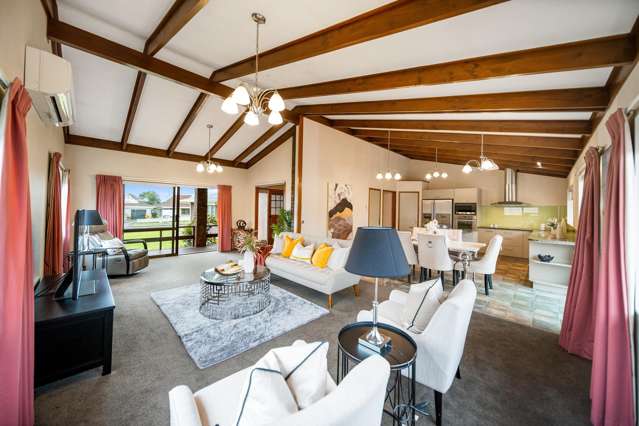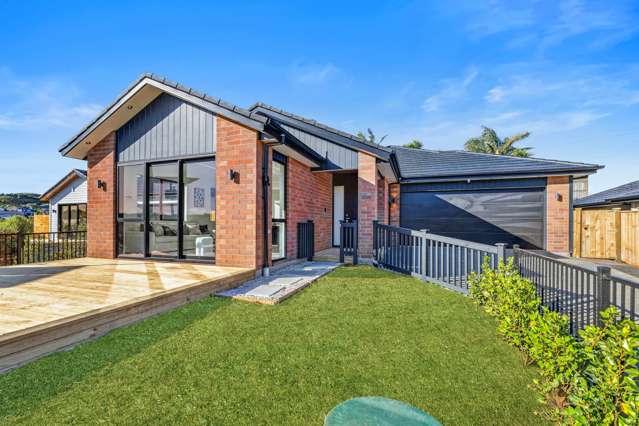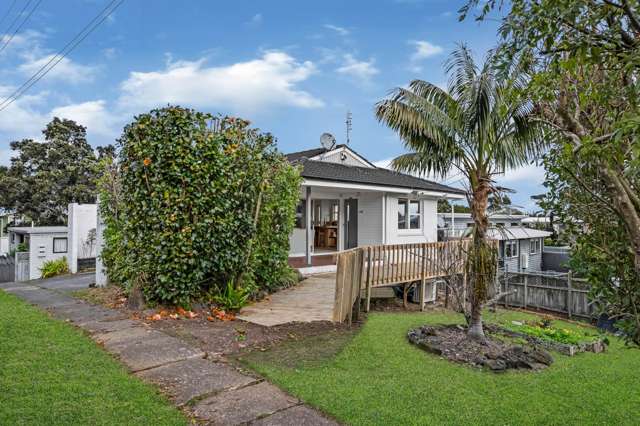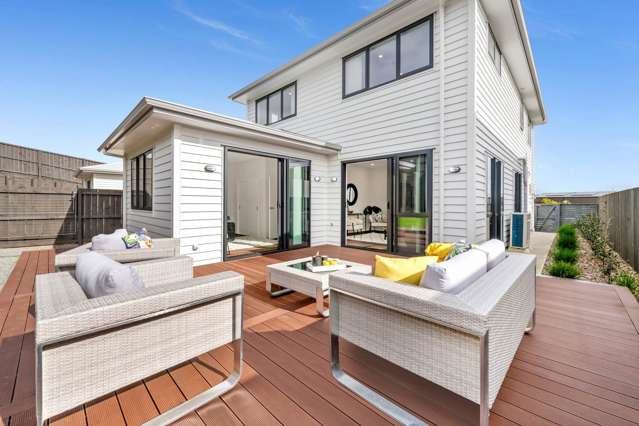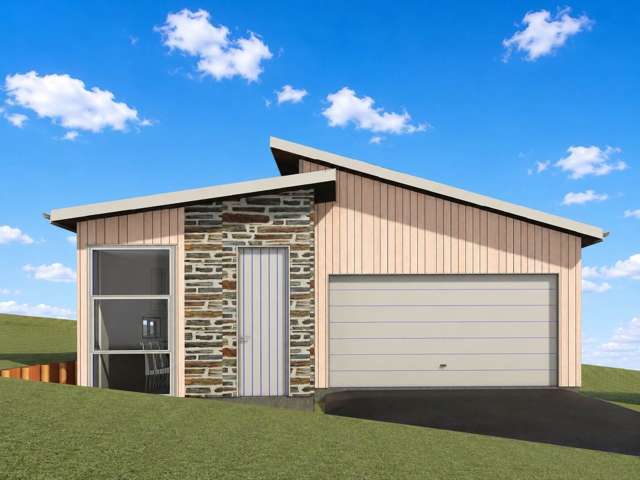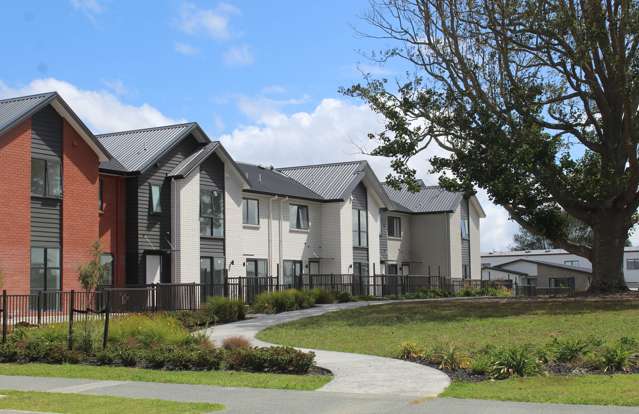
Warmer winters, cooler summers, functional layouts, and weekends with fewer chores waiting. Fletcher Living’s design team explains how buying new can make everyday life easier.
The real test of a home comes once you’re living in it.
Is it warm when you get up? Is there room for all your favourite kitchen appliances? Can you have friends over without rearranging the furniture?
These considerations shape a home long before the first buyers walk through the door.
Start your property search
Sidney Leong, Fletcher Living’s design and planning manager, says some of the most useful design decisions are easy to miss at a viewing.

1. A comfortable home that uses energy well
A comfortable home starts with how well it maintains a consistent temperature throughout the year – delivering warmth in winter and cooler air in summer.
Modern homes, he says, have better insulation and double glazing, along with “a whole heap of things under the hood which aren’t super obvious” – all of which combine to reduce heat loss and help keep energy costs down.
“If the cold doesn’t actually come in, then you won’t need to turn on your heat pump,” he says. Insulation also helps keep heat out during summer.
Leong contrasts that with the “draughty, cold, mouldy” New Zealand homes many remember from their flatting years. Modern heating and ventilation systems not only improve indoor air quality but overall longevity of indoor household items.
Window placement is also considered early, taking into account the site and outlook, ensuring the right balance of views, sun and light.
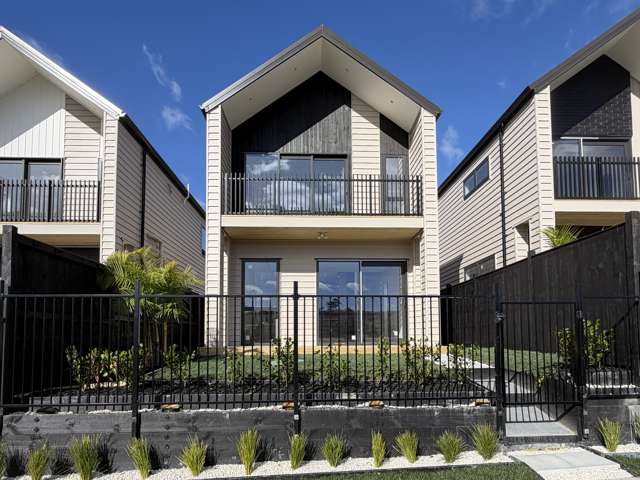
At both One Central in Christchurch and The Hill, beside Ellerslie Racecourse, homes have either ducted heat-pump air conditioning or multi-unit air conditioning serving living spaces and bedrooms, bringing comfort beyond the main lounge.

2. Less upkeep competing for your weekends
One pleasure of buying new is unpacking without a renovation list waiting beside the boxes.
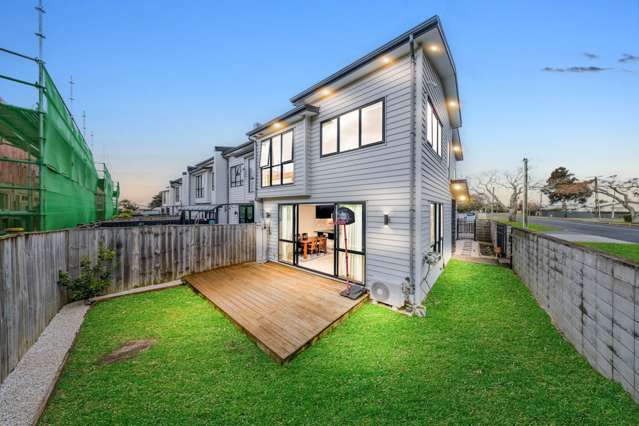
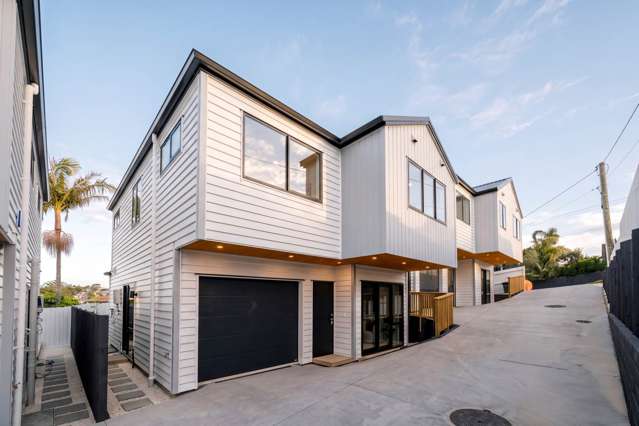
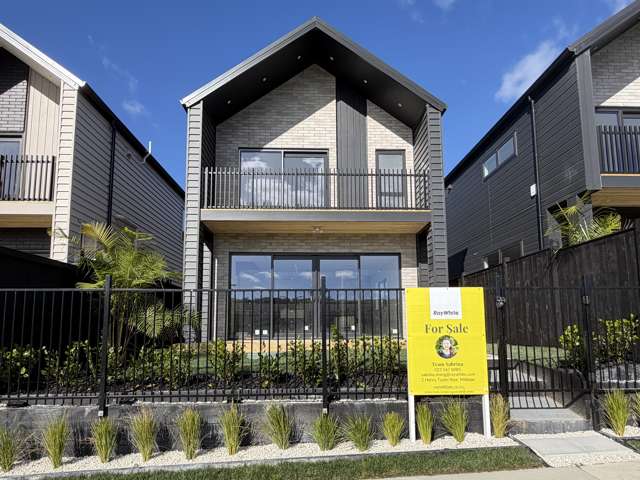
Fletcher Living uses durable weatherboards finished with a Dulux UV-resistant paint, and low VOC and premium aluminium cladding on many homes for their durability and low maintenance, Leong says. Stained timber, by comparison, needs regular attention as it weathers.
The homes also come complete with a low-maintenance landscape garden.
Value isn’t only about purchase price. What a home needs over time matters too.
That ease of upkeep appeals to Beachlands homeowner Angela Ackroyd, who has lived in a couple of Fletcher Living homes.
“Great quality, no issues and really easy to maintain,” she says of her experience.
3. Rooms that work for the way you live
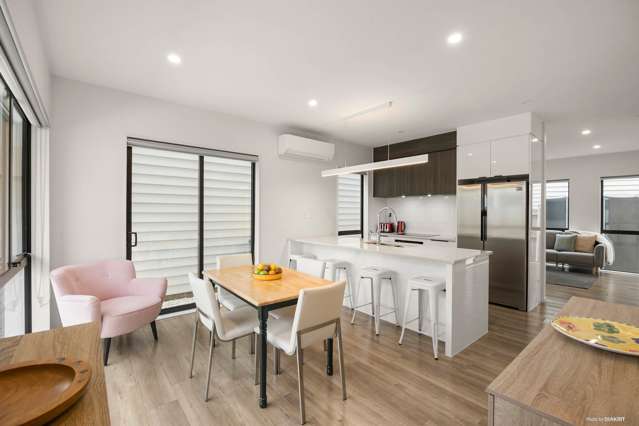
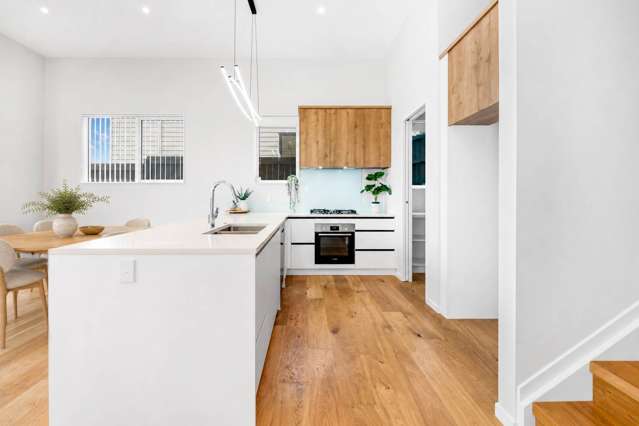
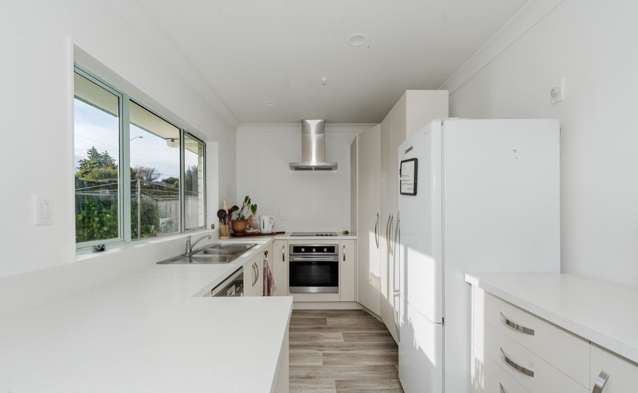
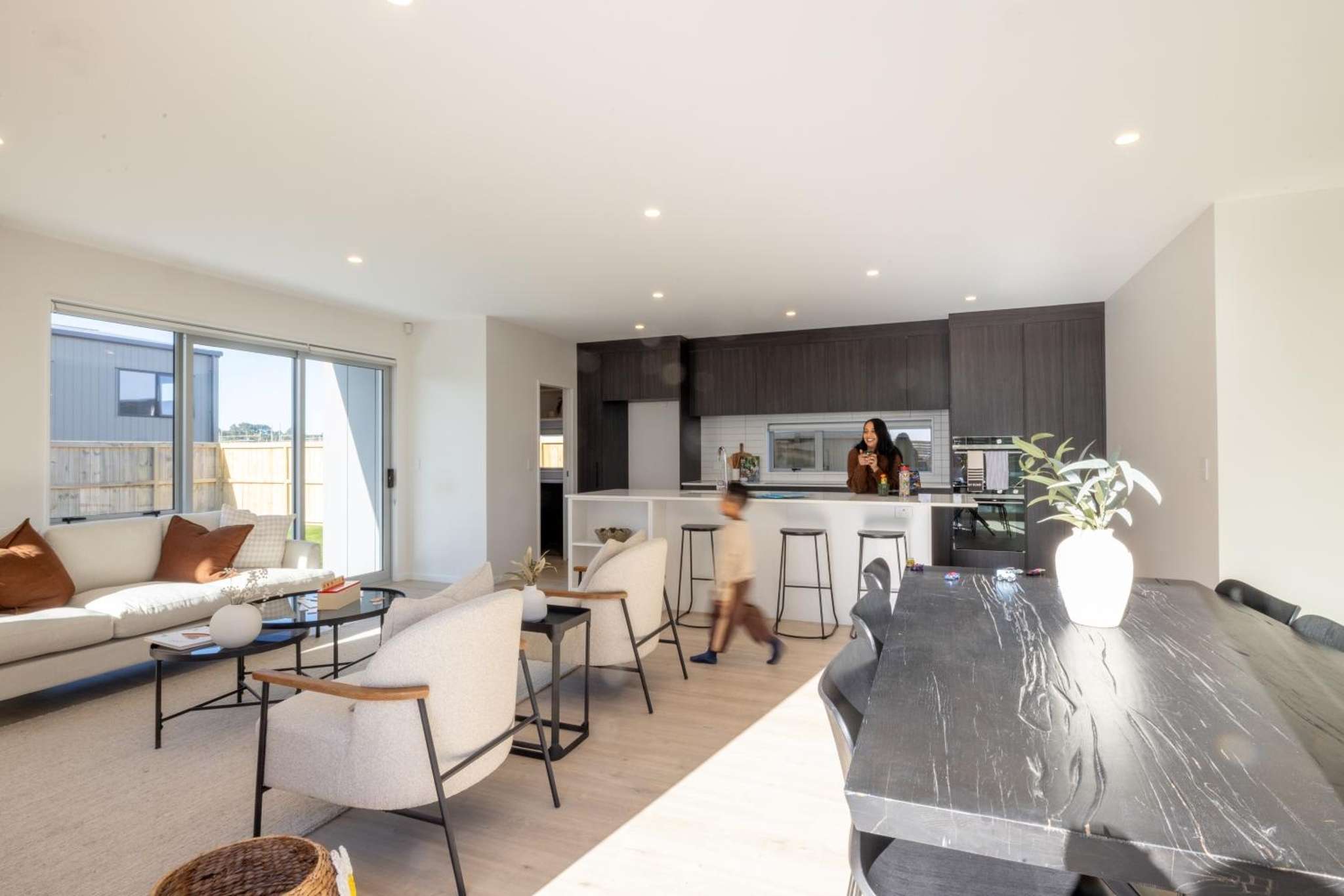
A kitchen can look generous until you try to find room for the air fryer, rice cooker, and largest saucepan.
Leong says the design team pays particular attention to kitchen storage, including space for larger pots and pans.
“We really try to push for as much storage as we can,” he says.
Storage elsewhere matters as well. The traditional extra bedrooms once kept as spare rooms are increasingly being used as flexi rooms such as a home study, Leong says.
For Anita Gillan, the space in her family’s four-bedroom Three Kings home makes family visits easier.
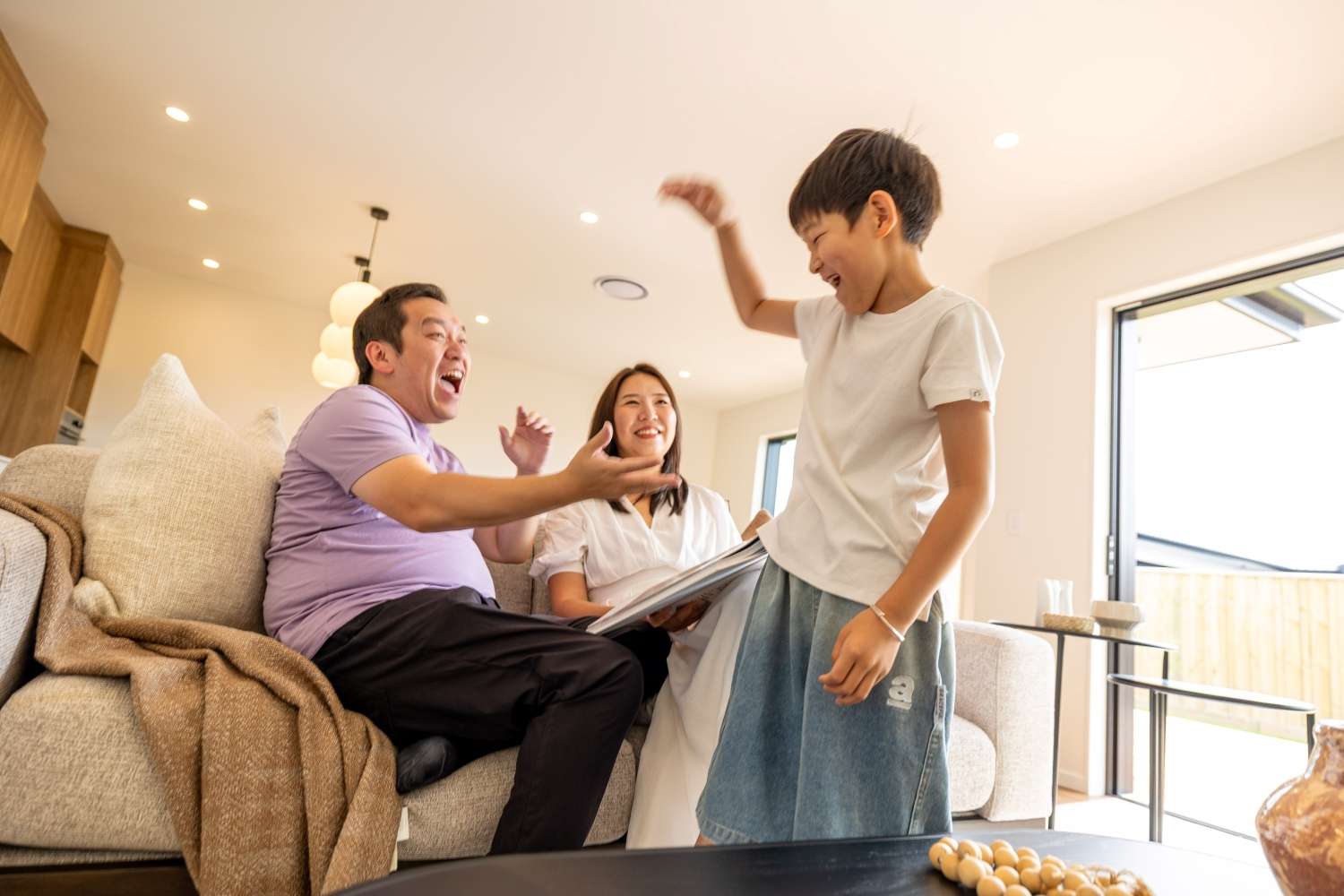
“There’s so much room you can lose each other in it,” she says. “Our eldest daughter and her partner and their baby come up from Wellington and have their own space downstairs.”
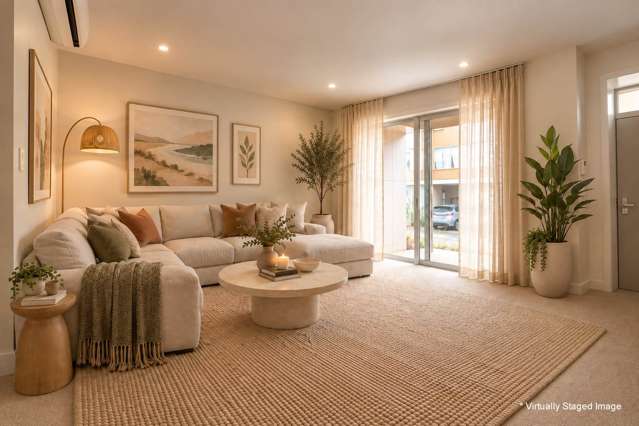
Even TV placement is considered. Some older homes were designed for much smaller televisions, Leong says, leaving nowhere obvious for today’s larger screens and making furniture placement awkward.
Entry doors, corridors and staircases are also considered so people don’t “feel like they have to do a 15-point turn to rotate their couch”.
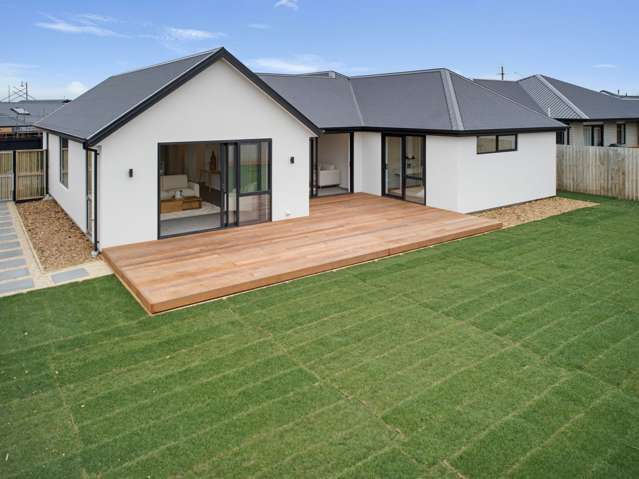
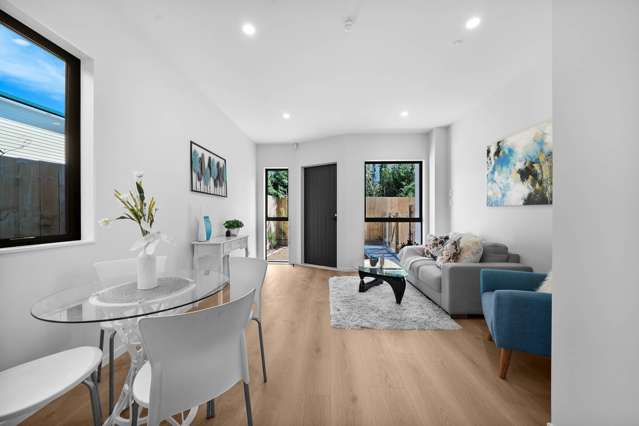
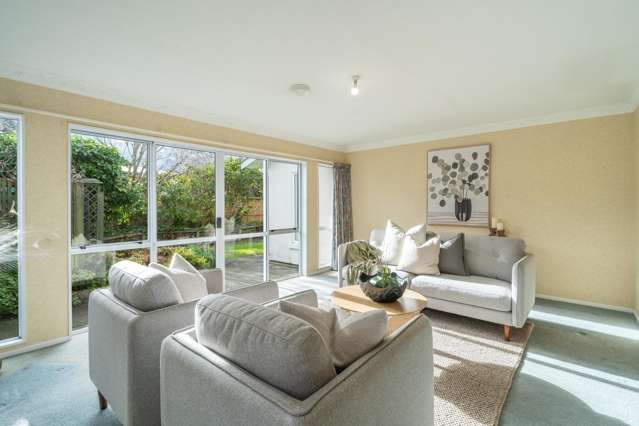
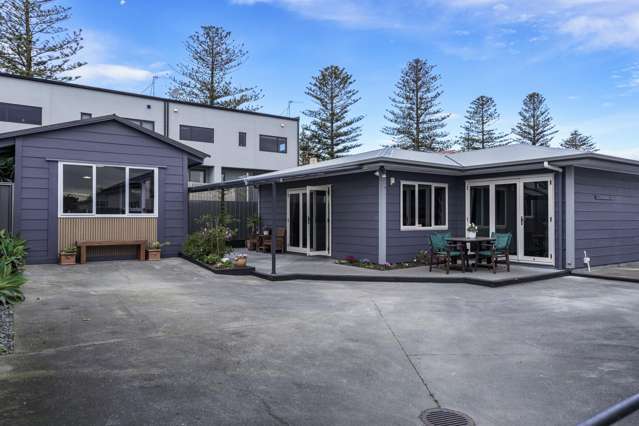
Open-plan living, dining, and kitchen areas typically connect to a patio off the living or dining area. Leong says the team aims to catch afternoon sun, recognising that “Kiwis like to have people over for dinner”.
At The Hill, some homes overlook Ellerslie Racecourse, enabling these lucky homeowners to see the action live from their house on race days.
4. A home ready for changing needs
A home bought today may need to work differently in five or ten years.
Leong singles out EV charging as one example of a nice-to-have now that may in the future be indispensable.
All Fletcher Living homes include EV cabling and a connection point, allowing owners to add a charger separately. The electrical systems that are installed allow for the homeowner to get their place smart home ready.
Inside, the aim is to create designs that “stand the test of time”, Leong says, featuring neutral carpet colours and warm timber tones that owners can decorate to fit their own style and taste.
5. A guarantee and someone to call
A thorough handover and clear point of contact can make moving into a new home easier.
Fletcher Living’s freehold standalone, terrace and duplex homes come with a 10 Year Master Build Guarantee. Unit-title homes have different arrangements involving a body corporate, so buyers should check the cover and conditions for their property.
Before settlement, the site manager or sales team walks buyers through how the home works and its maintenance requirements. A 30-day defect period then follows after handover, and a dedicated customer care service is available if something crops up.
Accountability from an established builder and developer has always been Fletcher Living’s strength, Leong says, providing future homeowners peace of mind.
Park Green homeowner Tito Molinyawe says that support continued after his family moved in.
“Even after sales, they look after you. If you have any issue, even a small one, they attend to it straight away.”
To learn more about the benefits of buying new from Fletcher Living and see the available homes for sale visit: This is Fletcher Living » Fletcher Living